
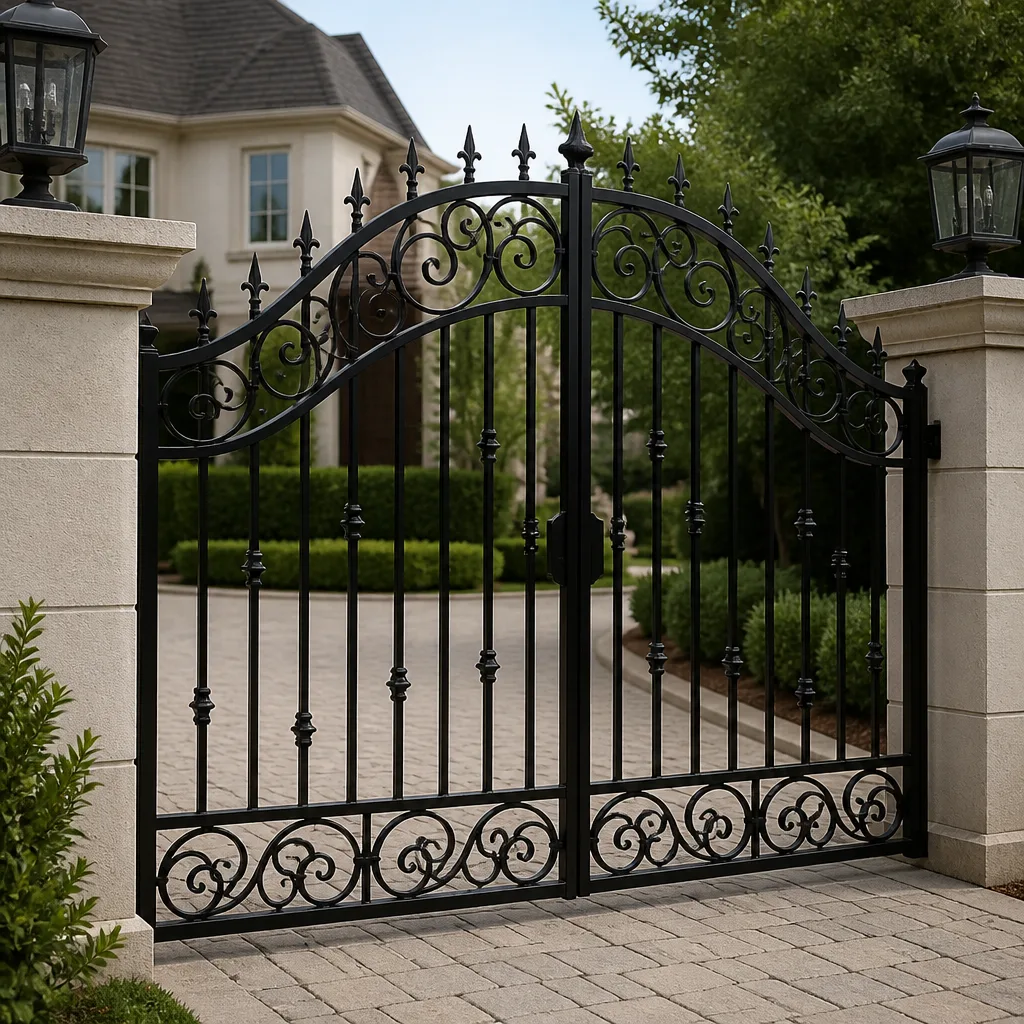
 Wrought iron
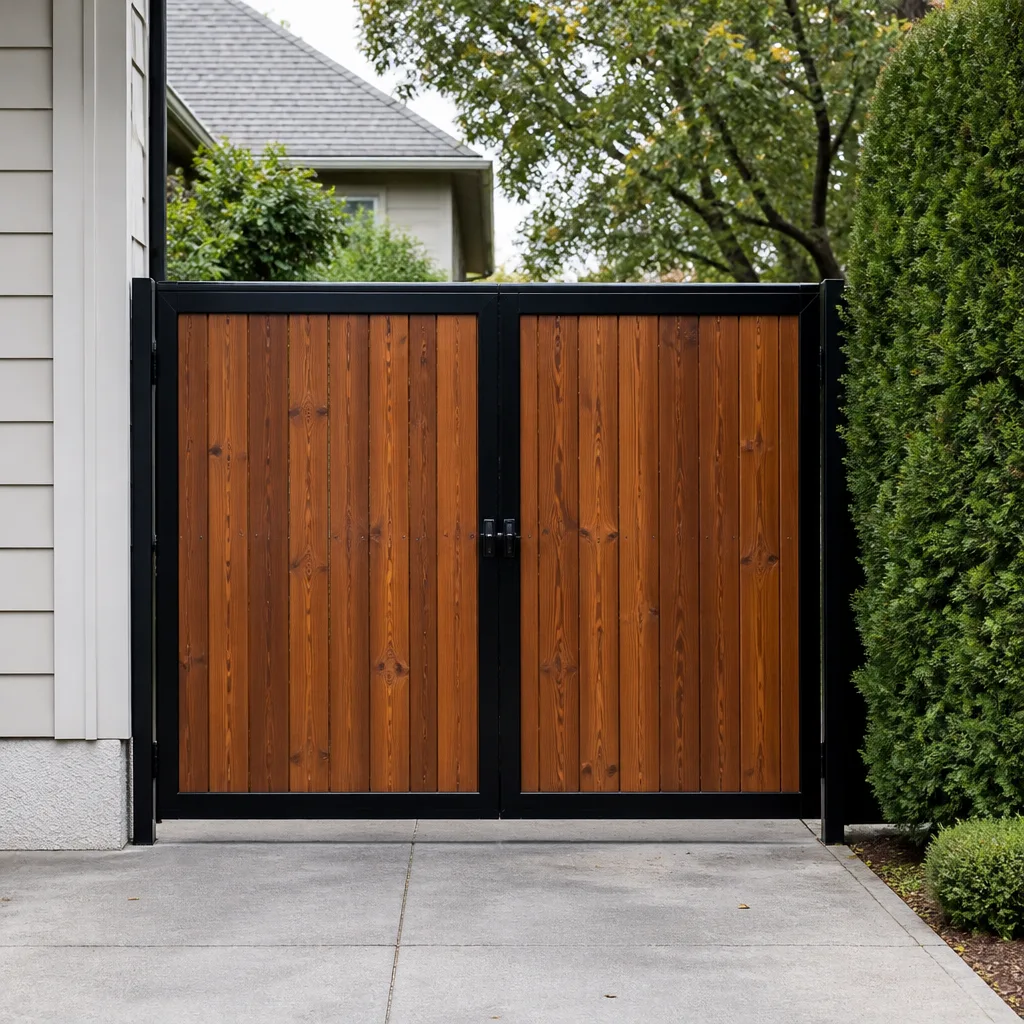 Wood & steel frame
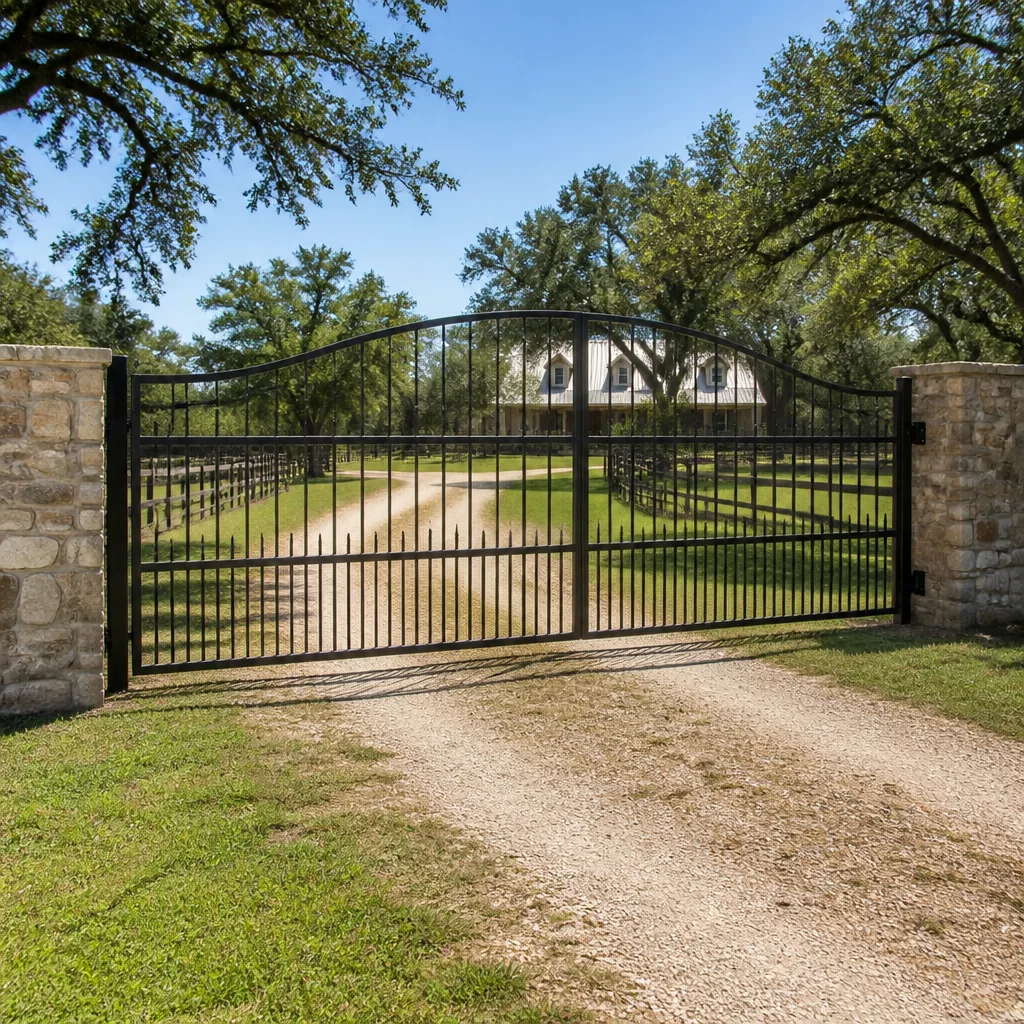 Farm & ranch
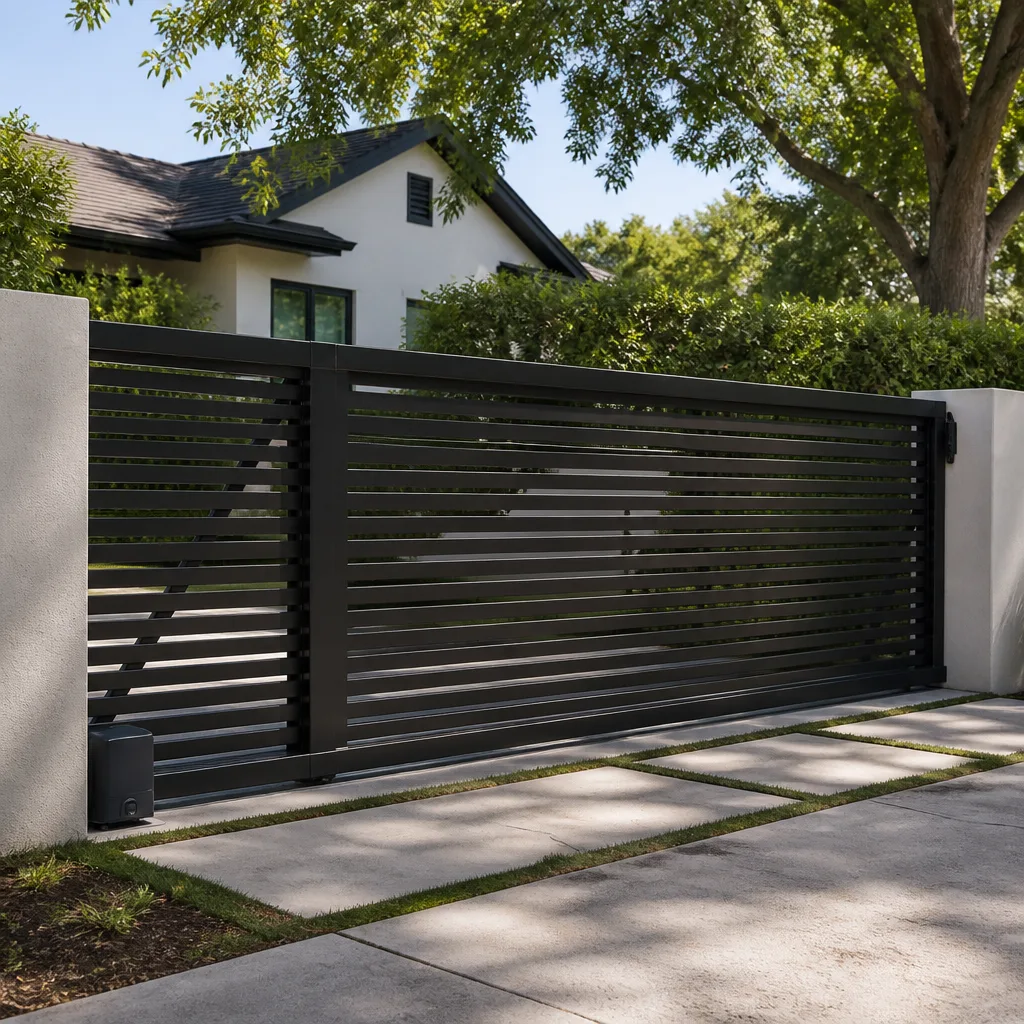 Sliding driveway gates
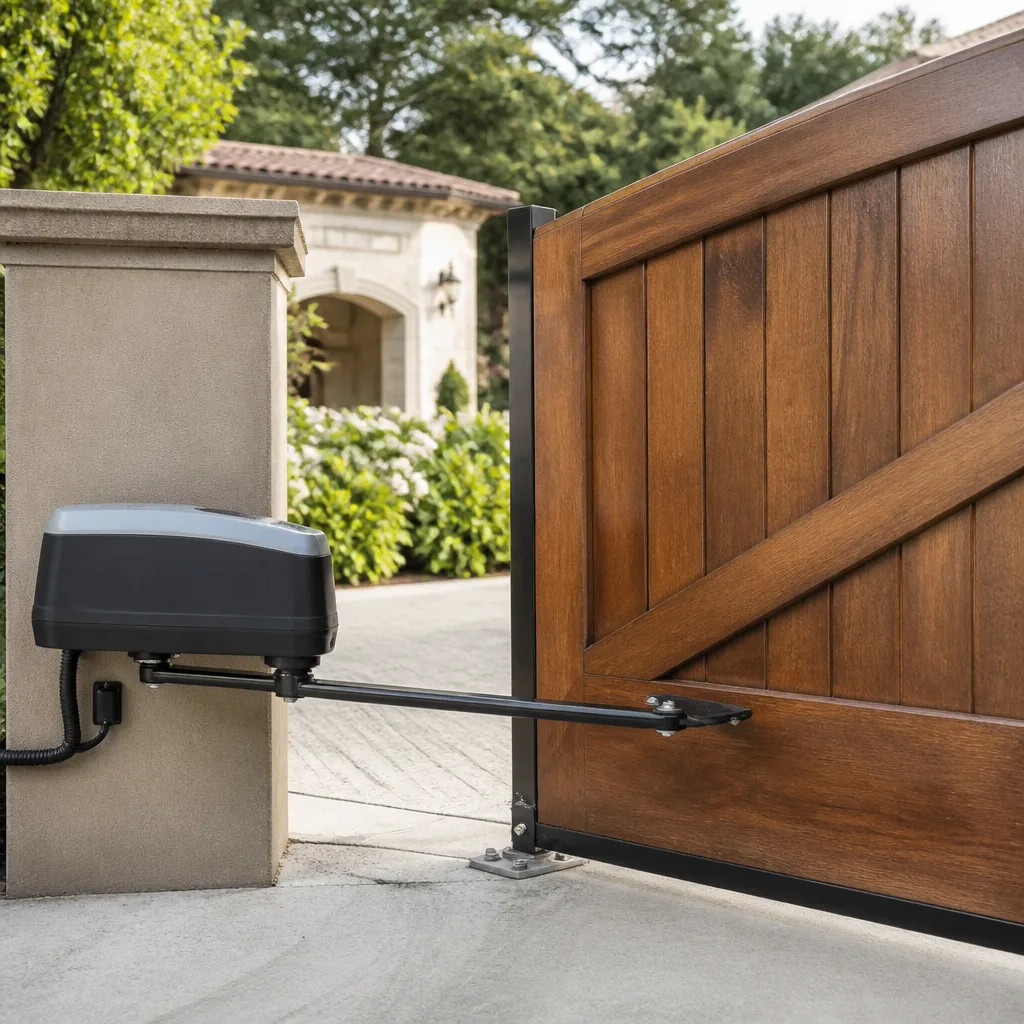 LiftMaster operators
Free on-site gate assessment - hinges, posts, and your LiftMaster or Nice gate operator checked before anything is quoted
The assessment is free and the quote is the invoice.
Get your free estimateLinear Welding & Fabrication: The Fort Worth Owner’s Guide
We stock and install Linear-compatible weldments and fabricated gate components throughout Fort Worth, with most bracket, hinge, and frame repairs running between $180 and $520 installed, same-day in most cases. You’ll see the exact number in writing before we touch anything. The typical call starts the same way: the gate sags a half inch, scrapes the driveway, or a weld at the hinge pops with a sound like a rifle crack in the middle of the night. What most folks don’t realize is that a failed weld is rarely a one-part problem. It’s a signal that something upstream, a bearing, a wheel, a misaligned post, has been quietly overloading that joint for months. We find that thing first.
Key Takeaways
- We weld and fabricate gate components compatible with Linear slide and swing operators, not just the electronics.
- Installed welding and fabrication work in Fort Worth typically runs $180 to $520, written price first.
- We’re an independent Fort Worth gate specialist, not affiliated with Linear the manufacturer.
- Most weld failures trace back to a deeper alignment or bearing issue. We fix the cause, not just the crack.
Which Linear Models This Applies To
Linear’s swing and slide gate operators, including the SL series slide operators and the actuator-driven swing arms used across a lot of Fort Worth residential and light commercial gates, all depend on fabricated steel brackets, hinge plates, and drive-rail mounts that Linear never really designed for a 20-year Texas service life. The operator might be a Linear SL2000 or an older APeX controller, but the part that fails is almost always the steel around it: the hinge bracket bolted to the post, the drive rail welded to a slide gate frame, or the fork mount that connects the actuator to the gate leaf. The compatibility gotcha we see constantly: Linear swing operators use a specific stroke length and a specific clevis pin size, and when someone welds on a “universal” bracket from the big-box store, the geometry gets close, but not close enough. That half-inch of wrong geometry is what kills the next set of welds in under a year. We match the bracket to the operator model and the gate weight, not just to what’s easy to grab off a shelf.
Identification is straightforward if you know where to look. The Linear operator will have a model plate on the housing, usually starting with SL, VS, or APeX. The gate itself will have a welded steel frame with pickets or a solid panel, and if the hinge side has been repaired before, you’ll see evidence of it: stacked weld beads, plates scabbed on, or a post that’s been shimmed. That’s useful information. It tells us what failed last time and whether the person who fixed it addressed the actual load path. On the OEM versus aftermarket question: for the electronics and the actuator itself, we stay OEM Linear, because the control board and limit-switch logic are not worth gambling on. For the steel, we use fabricated components cut and welded to match or exceed the original Linear bracket in thickness and gusseting, because that’s where the engineering margin actually matters, and because steel is steel. Where the original part was underbuilt, which happens more than Linear would admit, our version gets a modest upgrade in plate thickness and a better weld profile. It costs a few dollars more in steel and it means we’re not back in eighteen months.
Styles & brands we work with
Signs Your Linear Welding & Fabrication Is Failing
- The gate sags toward the latch side. A drop of even three-quarters of an inch at the free-swinging end is usually a hinge weld stretching or cracking, and it means the leaf is now cantilevering weight through a joint that was never sized for that load. The longer it runs, the more metal gets fatigued around the failure.
- You hear a pop or crack when the gate cycles. That sound is a weld bead letting go, usually at the hinge or the operator mount. Each cycle after that works the crack wider, and a weld that’s 10% cracked today will be 80% cracked before you’ve mowed the lawn twice.
- The Linear operator sounds like it’s working harder than it used to. Slide gates that once hummed now labor, and swing gates that moved crisply now surge and hesitate. That’s increased rolling or hinge resistance, which means a wheel, bearing, or bracket has failed enough to change the geometry the operator was set up for.
- The gate scrapes or leaves fresh marks on the driveway. Concrete doesn’t move, so if the gate is suddenly touching down where it never did before, the steel structure or a hinge mount has deformed. The scrape mark is the symptom. The bent or cracked steel is the disease.
- You can see daylight through a weld joint that used to be solid. Once a crack opens enough to pass light, the cross-section carrying load has shrunk dramatically. It is no longer a question of if it fails completely, just when, and in Fort Worth, wind loads make that timeline short.
See the difference
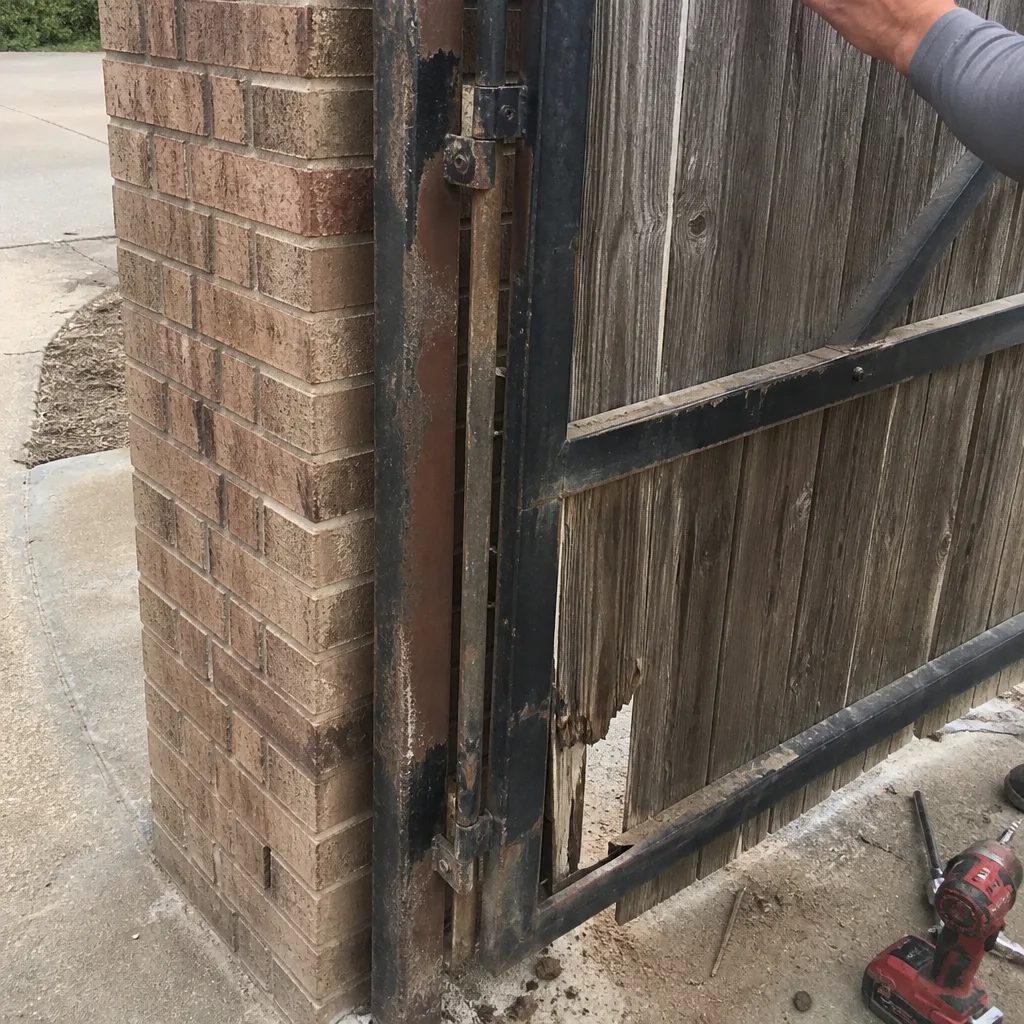 Before
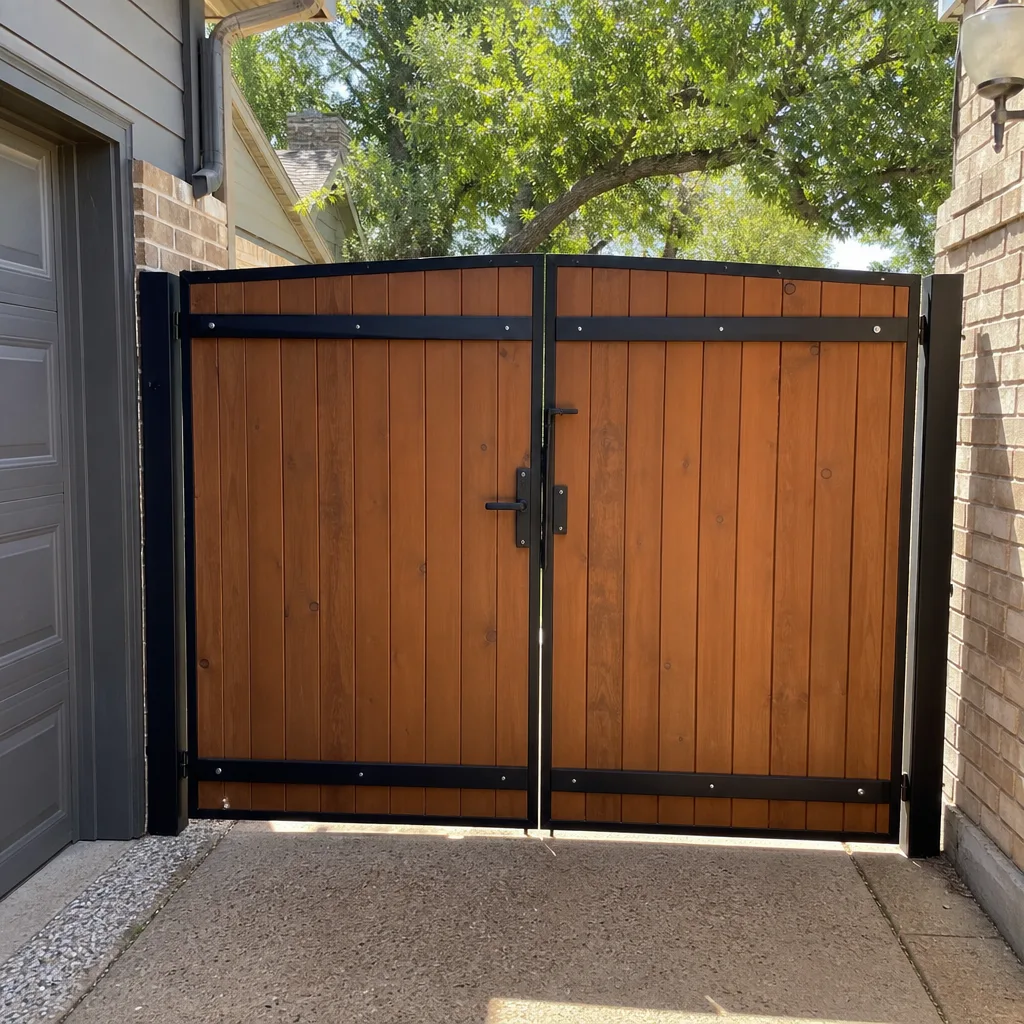 After
After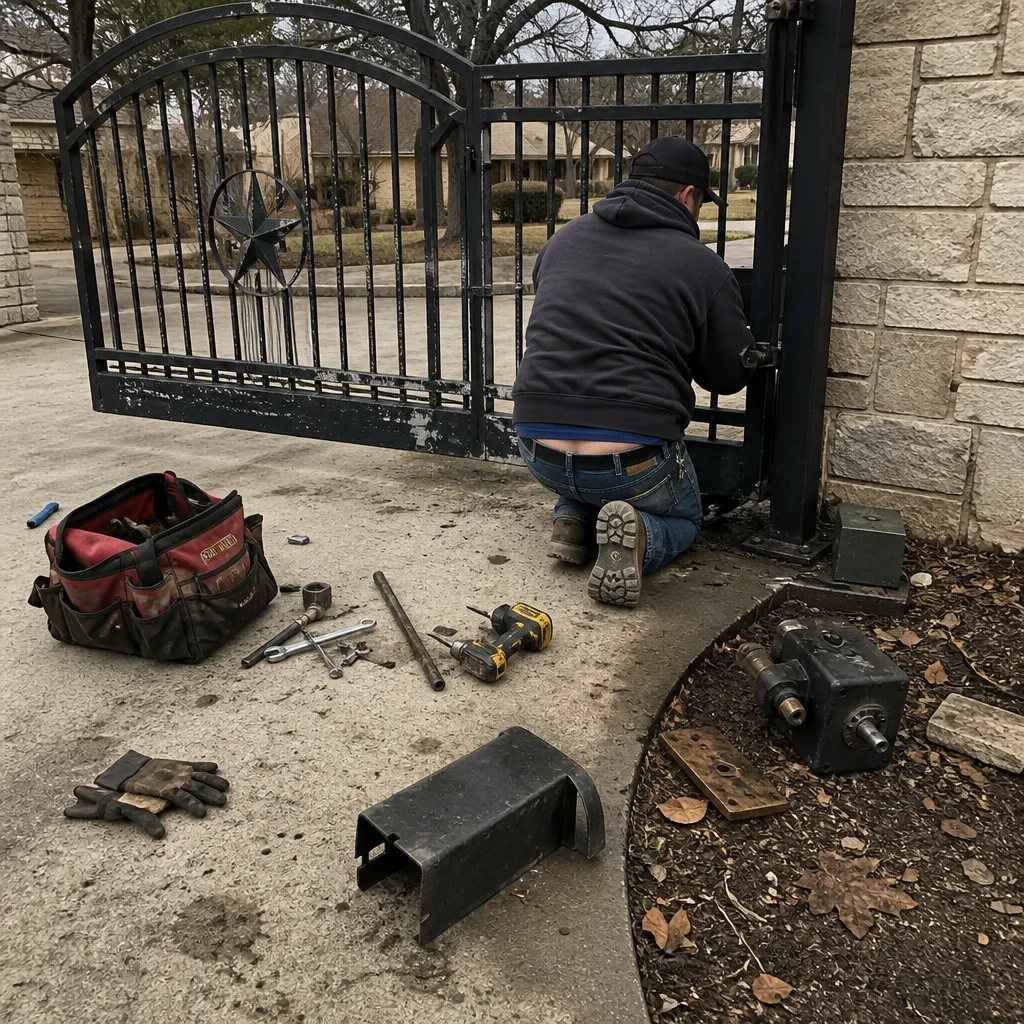 Before
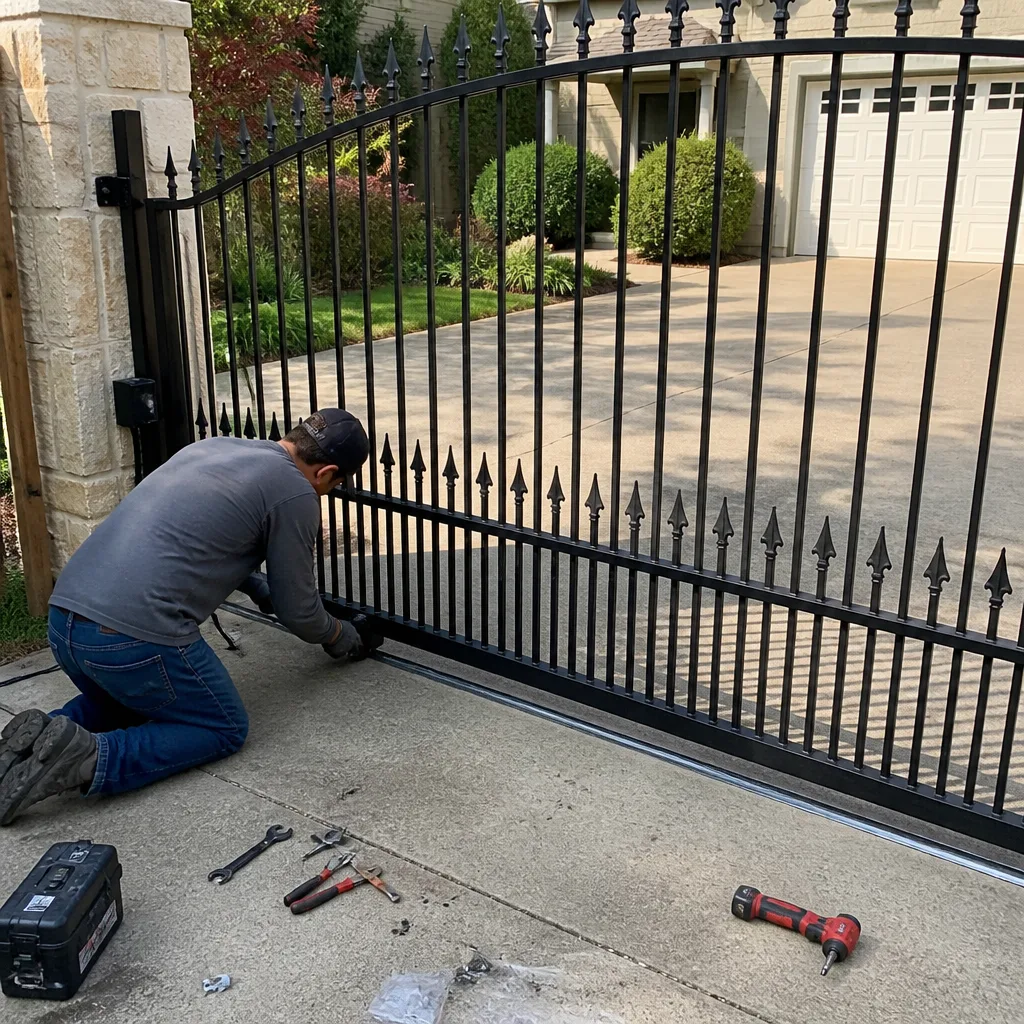 After
After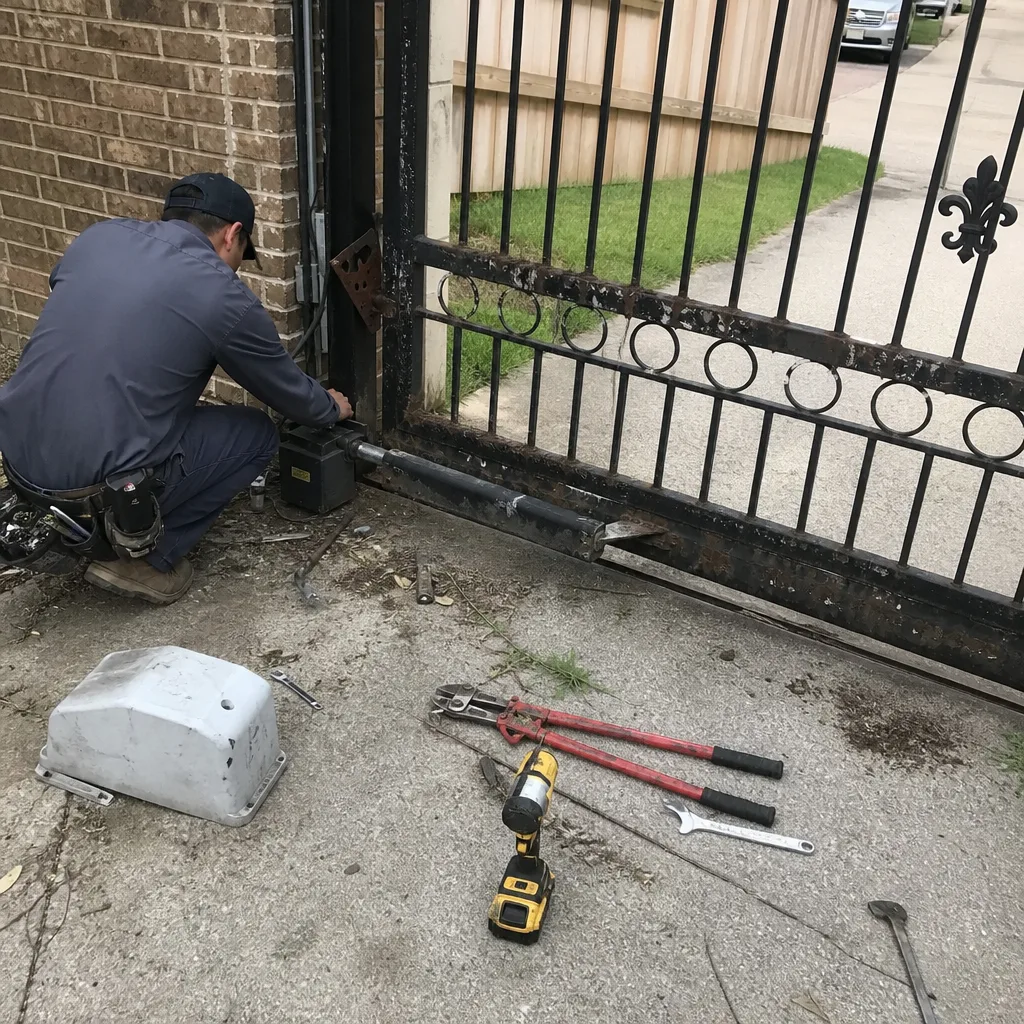 Before
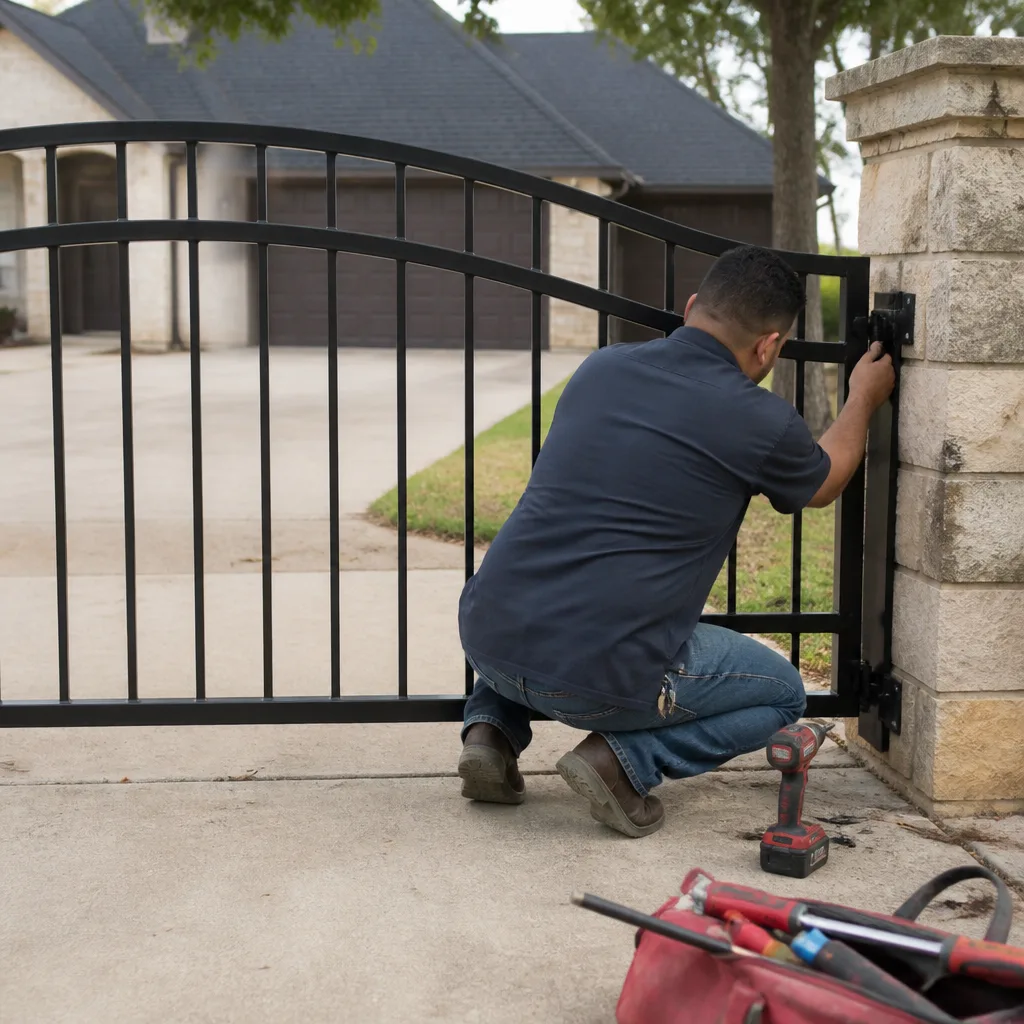 After
AfterReplacement Cost & What’s Included
For Linear-compatible welding and fabrication work in Fort Worth, most jobs fall between $180 and $520 installed, depending on what we’re actually doing. A single hinge bracket replacement with grinding out the old weld, prepping the surface, welding in the new plate, and painting or cold-galvanizing the repair typically lands in the $180 to $300 range. A more involved job, replacing multiple hinge points, straightening a bent rail and gusseting it, or fabricating a complete new operator mount plate from steel, runs $320 to $520. What moves the number within those ranges: access to the weld location, how much of the old material has to be cut out, whether we’re working at ground level or on a ladder, and how much the existing steel has been “repaired” by previous attempts. We quote the job before we light a torch, and that number is what you pay. No surprise line items, no “while we were in there” additions. The repair steel gets cleaned, welded with the right rod for the material, and then protected, because a bare weld in North Texas rust weather lives about two years before it looks worse than the original failure.
DIY or Call Us?
Two honest paths here. You can, safely, inspect the gate: push and pull on the leaf at the latch side and watch what moves at the hinges, examine the welds with a flashlight for cracks and rust bleed, and take photos of the operator model plate so you know what you’re working with. That’s useful, and it costs nothing. What we don’t recommend is firing up a welder from a rented machine and trying to lay a bead on a gate that holds several hundred pounds of steel and moves every day. A poor weld on a structural hinge can fail without warning, and a gate leaf breaking loose under wind load is not a risk worth taking with kids, pets, or a parked car in the path. We’ve also seen more than one DIY repair where the welder grounded through the Linear control board and turned a $250 weld into a $900 electronics replacement. If the weld is structural, if the gate carries weight or moves, call us at (682) 841-5749 and let us look at it before you spend money on the wrong fix.
FAQs
A properly done weld on a properly diagnosed gate should last ten to fifteen years in North Texas, provided the root cause, a bad bearing, a bent wheel, a shifted post, was corrected at the same time. A weld laid over an unresolved alignment problem can crack again within a season. Give us a call at (682) 841-5749 and we’ll tell you which situation you’re in.
Sometimes, and we’ll always choose the repair when the remaining steel has enough integrity to support a proper weld and the surrounding metal isn’t fatigued or rust-compromised. If the metal is too far gone, re-welding a dying bracket just moves the failure point and buys you a few months. We’ll show you what we’re seeing before we recommend either path.
Most single-point weld repair jobs are done in two hours or less once we’re on site, including cleanup, and we protect the surrounding area while we work, drop cloths down, and leave the gate operating before we go. Multi-point jobs or jobs that need a custom part fabricated take longer, but we’ll tell you that before we start. Call (682) 841-5749 for an exact quote, including time.
We carry the common steel components, hinge plates, gussets, operator mount brackets, and the hardware to match them to Linear SL and VS series operators, along with a selection of Linear control components, so most Fort Worth jobs are completed on the first visit. If your part needs to be fabricated to match an unusual setup, we measure on site and return with the finished piece, usually within a day or two. We also support LiftMaster, Mighty Mule, and Ghost Controls equipment, so if you’ve got a mixed-brand gate, we can handle the whole system.
Written by Cody Beckman, Owner, Latch and Post Gate Repair Fort Worth at Latch and Post Gate Repair Fort Worth, serving Fort Worth and nearby areas.