
Last updated October 17, 2026
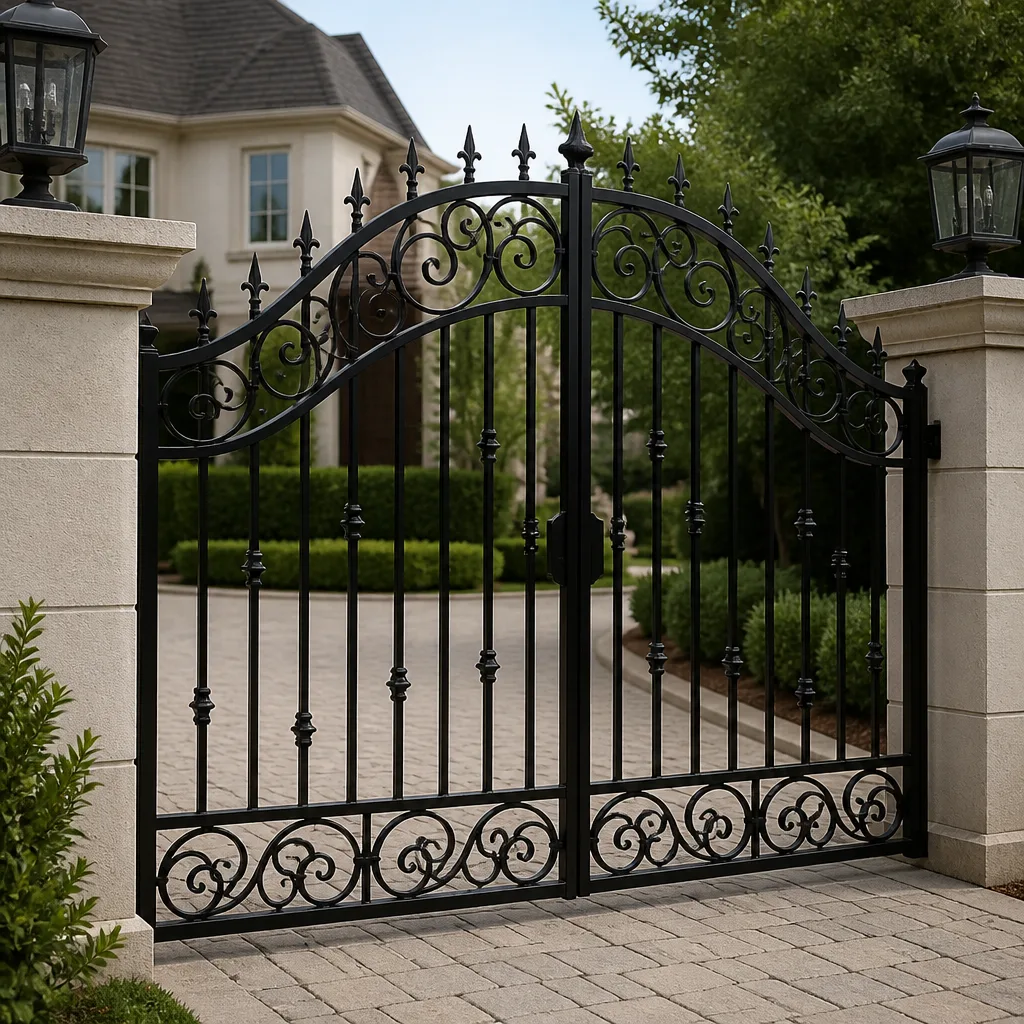 Wrought iron
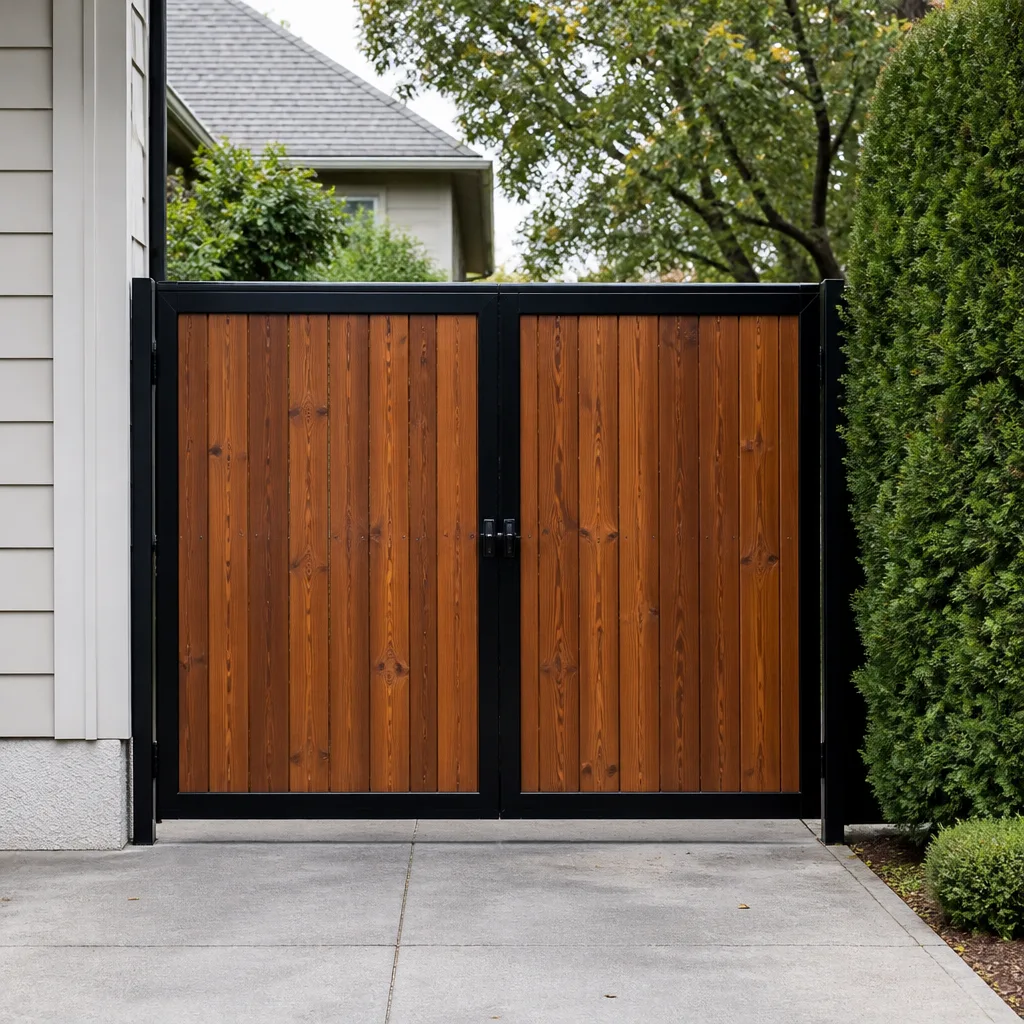 Wood & steel frame
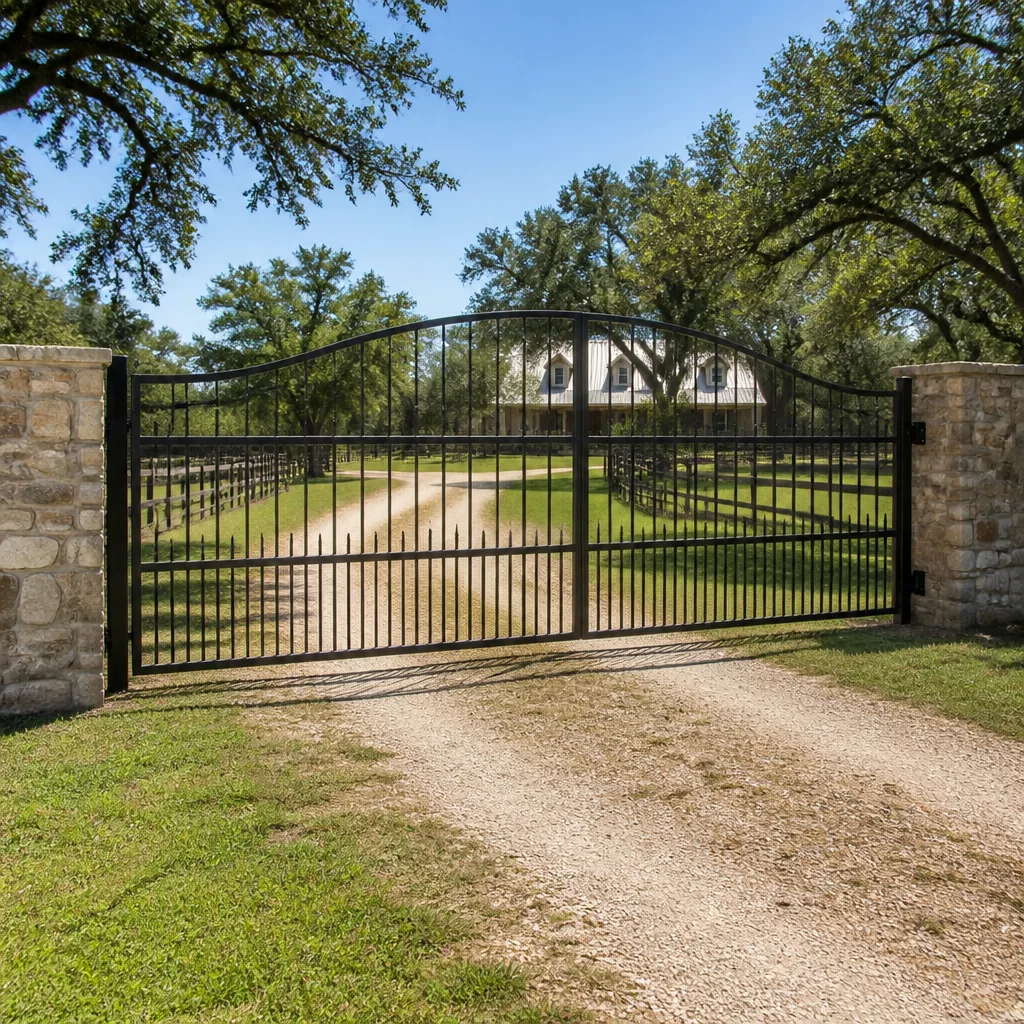 Farm & ranch
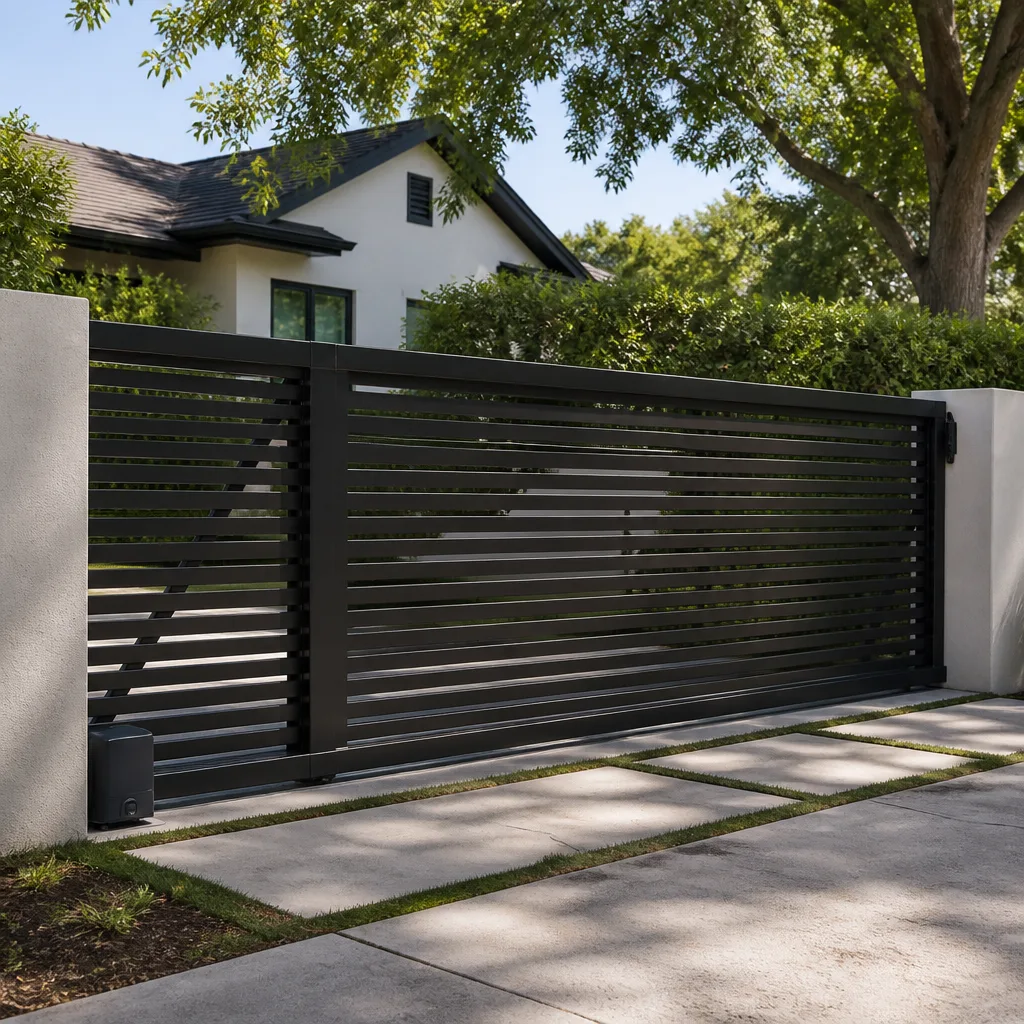 Sliding driveway gates
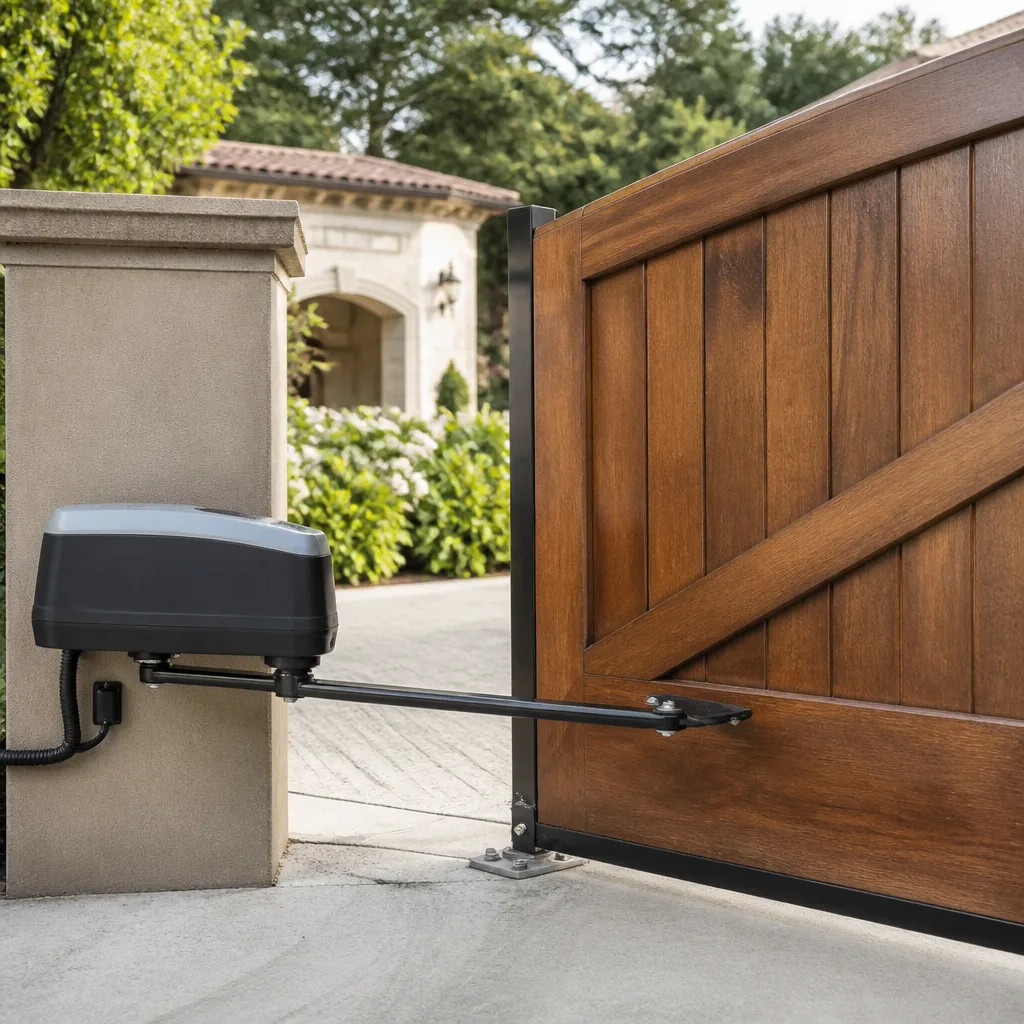 LiftMaster operators
Free on-site gate assessment - hinges, posts, and your LiftMaster or Nice gate operator checked before anything is quoted
The assessment is free and the quote is the invoice.
Get your free estimateGate Repair Warning Signs: A Fort Worth Homeowner’s Reference Guide
Most gate failures in Fort Worth don’t happen suddenly. A gate that slams shut in a February windstorm or refuses to open on a July afternoon has almost always been signaling trouble for weeks beforehand. The challenge is that the signs look like ordinary wear: a little sag here, a faint grind there, a remote that needs a second click. This guide teaches you to read those signals correctly. In the next ten minutes, you’ll learn what eight specific warning signs actually mean, which ones you can watch for a while, and which ones need a call before the next cold front or hundred-degree day. If you own a gate in Fort Worth, this is the reference you’ll come back to, alongside our more guides & resources.
Quick Answer
The most common Gate Repair services warning signs in Fort Worth are: a gate that drags or scrapes the ground, a latch that won’t fully engage, visible lean in the gate or post, rust at weld points, slow or jerky electric operation, grinding sounds during travel, and a remote that only works at close range. Most of these indicate a specific failing component, and catching them early typically costs between $125 and $350 to fix, versus $800 to $2,500 for a full replacement after failure.
Styles & brands we work with
Table of Contents
- The Eight Visual Warning Signs Every Fort Worth Homeowner Should Know
- Surface Rust vs. Weld-Point Rust: How to Tell Them Apart
- The 60-Second Post Stability Test (No Tools Required)
- Electric Gate Warning Signs: Speed, Sound, and Range
- Why Your Gate Binds in the Afternoon but Works Fine in the Morning
- How Fort Worth’s Climate Accelerates Gate Wear
- Common Mistakes to Avoid
- When to Call a Professional
- Frequently Asked Questions
The Eight Visual Warning Signs Every Fort Worth Homeowner Should Know
Walk outside right now and spend two minutes looking at your gate. Not casually. Actually looking. Here’s what we tell homeowners to check, in order of urgency, and what each sign actually means.
- The gate drags or scrapes the ground. You’ll see a crescent-shaped wear mark in the grass, gravel, or concrete where the gate’s lower edge has been sweeping. This means the gate has dropped out of alignment. The cause is usually a worn hinge, a settling post, or a gate that was never properly counterbalanced. If you catch it while the scrape is shallow, you’re looking at a hinge adjustment or shim, typically under $200. Wait until the gate gouges a groove and you’re also repairing the frame or re-hanging the whole gate.
- The latch only catches partway. You have to lift the gate, shove it hard, or rattle it for the latch to seat. This is the most common early signal we see in Fort Worth’s older neighborhoods like Ryan Place and Wedgwood. It means the gate and the post have moved relative to each other, even if only a quarter inch. A latch that engages partially is one good wind gust away from failing completely. Latch realignment on a standard gate usually runs $125 to $225.
- The gate drifts open or closed on its own. This is the one homeowners misread most often. They assume the latch is broken. In most cases, the post itself has leaned just enough to put the gate on a slight downhill slope, and gravity is doing what the latch can’t resist. Replacing the latch without fixing the lean means you’ll replace the latch again in six months. A post that has shifted more than an inch out of plumb needs resetting or replacement, which is a different scope of work entirely.
- Visible gaps at the hinge connections. Stand on the hinge side and look at where the hinge plates meet the post and the gate frame. If you see daylight through a gap, if the screws look like they’re pulling, or if the gate shifts when you lift the bottom corner, the hinge hardware is failing. Worn hinges on a standard residential driveway gate are a $150 to $300 repair. Allowing worn hinges to continue can torque the frame and crack the post.
- The gate leans more than an inch out of vertical. Step back ten feet and hold your phone’s level against the gate’s top rail, or just eyeball it against a fence line or roofline. A degree of lean you can see without measuring is significant. In Fort Worth’s clay-heavy soil, post lean from moisture expansion is one of the most frequent repair causes we see, especially in areas like Saginaw and Crowley where the soil shrinks and swells aggressively.
- Cracks in the post, especially around the hinge mounts. Wood posts split at the hinge bolts. Concrete or steel posts crack where the hinge plates attach. This is load failure. The post is carrying more than it can bear, and it’s telling you. A cracked post generally can’t be patched. It needs replacement, which is a bigger job than a hinge repair.
- Fresh rust staining on the gate face. Orange or brown streaks running from the hinges, the latch, or the weld points. This is rust actively working, and it matters more than the rust you’ll see elsewhere. More on this below, because this single visual distinction saves people thousands.
- The gate doesn’t sit square in the opening. When the gate is closed, the gap between the gate and the frame on the latch side should be consistent top to bottom. If it’s wide at the top and tight at the bottom, or vice versa, the gate racked. That means the frame is torquing, which is almost always hinge or post related. A racked gate puts uneven load on every component connecting it to the ground.
None of these signs require a repair background to identify. They require only that you look. And the timeline matters: most of these conditions deteriorate over weeks to months, not days, which means you have time to act if you act early.
Surface Rust vs. Weld-Point Rust: How to Tell Them Apart
Rust is the single most misunderstood gate warning sign, so let’s get specific. There are two kinds, and they have almost nothing in common when it comes to urgency.
Surface rust is cosmetic. It appears as a uniform, dusty, orange-brown film across flat areas: the gate face, the pickets, the top rail. It happens when the original paint or powder coat has been scratched or has simply worn thin from years of North Texas sun and rain. Surface rust looks bad, but it’s not compromising the gate’s structure. You can address it with cleaning, priming, and repainting, or you can wait. A gate with surface rust will still be standing years from now.
Weld-point rust is different. It appears as darker, crustier, often flaking corrosion specifically where two pieces of metal were joined: where a picket meets the frame rail, where the hinge bracket was welded to the gate, where the latch plate attaches. This rust isn’t just on the surface. It’s working into the weld, and the weld is the only thing holding those pieces together.
Here’s the flashlight test. On a sunny day, shine a bright flashlight at a low angle across the weld points. If the rust looks pitted, raised, or flaky rather than just discolored, it’s active corrosion in the weld. Weld-point rust on a gate hinge or latch mount is high urgency. When a weld fails under load, the gate doesn’t bend. It breaks, and broken gates fall on cars, fences, or worse.
In Fort Worth, we see weld-point rust accelerate wherever irrigation sprinklers regularly spray the gate or where the gate sits in pooled runoff. The iron-rich water accelerates oxidation at the welds specifically. If you catch weld-point rust before the weld fails, a professional can grind the affected area, re-weld if needed, and reseal the joint before structural damage occurs. If you catch it after the weld fails, you’re replacing the gate section or the gate outright.
The 60-Second Post Stability Test (No Tools Required)
The post is the part of the gate system that handles the weight. Everything else hangs off it. If the post moves, everything else moves with it, and no hinge or latch adjustment will fix that. Fortunately, you can assess post stability in under a minute with nothing but your hands and eyes.
Step 1: Grasp and Push
Stand on the side of the gate. Place one hand flat against the top of the post near the hinge. Push firmly, not hard. You’re not trying to knock anything over. You’re feeling for movement. Now push in the opposite direction. A healthy post doesn’t budge. If it moves even a fraction of an inch, the post has started to separate from its footing or the surrounding soil has loosened.
Step 2: Watch the Base
While pushing, keep your eyes on the base of the post where it meets the ground or concrete. Look for a widening crack in the soil around the post, any visible rocking, or a gap opening between the post and a concrete collar. These are the visual confirmation that movement is happening at the foundation level.
Step 3: Check the Gate Swing
Open the gate halfway and let go. It should hold position. Now open it fully and let it go gently, without slamming. Watch the hinge side. If the entire gate assembly shudders, you have hardware or post movement that needs attention.
What the result means: If the post doesn’t move at all and the gate swings smoothly without shimmy, your hinge-side structure is stable. If the post moves or the gate shudders, the post is no longer doing its job, and the fix is not a new latch. It’s resetting or replacing the post. In Fort Worth’s expansive clay soil, this test is especially important after a dry summer followed by fall rains. The soil cycle can loosen even a properly set post within a few years.
For comparison, a post that has failed but hasn’t toppled yet is a $400 to $800 repair in most Fort Worth cases. A post that topples and takes the gate down with it often means replacing the post, the gate, and sometimes repairing the adjacent fence section, which can push the bill past $2,000 quickly.
Electric Gate Warning Signs: Speed, Sound, and Range
Electric gate openers from brands like LiftMaster and Mighty Mule are workhorses, but they give off distinct signals before they fail. Here are the three most common, and what each one points to.
Slow Open Speed
An electric gate that opens noticeably slower than it used to, especially without any apparent reason, is usually telling you the motor’s run capacitor is weak or the gearbox is wearing. On LiftMaster and Mighty Mule residential models, the capacitor is a $40 to $100 part, and replacement is less than an hour of labor. Ignoring slow operation destroys the motor over time, and a new operator costs $700 to $1,500 installed.
Grinding During Travel
A grinding, moaning, or clicking sound while the gate moves almost always indicates a mechanical problem in the drive mechanism: worn gears, a loose chain or belt, a failing bearing, or debris binding in the track. Electric gate operators are not supposed to make grinding sounds. A properly functioning drive is quiet enough that you don’t notice it. If you hear it, something is wearing against something else, and the repair is cheaper before the thing breaks.
Remote Range Reduction
When the remote only works from ten feet away instead of the usual forty, or needs multiple presses to respond, most people assume the remote battery is dying. Replace the battery first, but if the problem persists, the receiver board in the operator is likely developing a fault. On some LiftMaster models, the fix is a receiver module replacement. On others, the board itself is the issue. Either way, it’s a component-level repair, not a reason to replace the whole operator.
Electric gate issues benefit from early intervention more than any other category. The components are modular: a capacitor, a gear, a receiver board. Each is replaceable individually. Electric gate repair in Fort Worth is typically a one-visit fix when the problem is caught early, which is why we emphasize listening to your gate as often as looking at it.
Why Your Gate Binds in the Afternoon but Works Fine in the Morning
This is one of the most confusing gate behaviors, and once you understand it, the mystery disappears completely.
Here’s the situation: you leave for work at 7 a.m., the gate opens smoothly, no issue. You come home at 3 p.m. on a hot Fort Worth afternoon, and the gate sticks, scrapes, or needs a shove. You assume something broke during the day. It didn’t. The metal expanded.
Steel and aluminum expand when they heat up. A black steel gate in direct North Texas sun can easily reach 140 degrees or more on a July afternoon. That heat makes the metal grow, measured in fractions of an inch. For a properly aligned gate, that expansion is absorbed by the normal clearances between the gate and the frame. But for a gate that’s already slightly out of alignment, that tiny expansion is enough to close the clearance entirely. The gate binds against the post or the latch plate because the hot gate is physically larger than the cool gate.
This is not a mechanical failure. It’s a thermal expansion problem. And it’s important to understand the distinction because the repair is different:
- A mechanical failure means a component is broken: a hinge is worn, a gear is stripped, a bearing has failed. You replace the part.
- A thermal bind means the gate’s alignment tolerances are too tight. The fix is adjustment: re-hanging the gate, adjusting the hinge spacing, or correcting the latch alignment so there’s room for the metal to move through its natural temperature cycle.
In our experience with Fort Worth gates, thermal binding is most common on dark-painted steel gates that face southwest, where they take the full afternoon sun load. It’s also a sign that the gate was installed with too little clearance, which we see on some newer builds in the Alliance area and far north Fort Worth where gates went in quickly during construction booms.
The takeaway: if your gate only misbehaves when it’s hot, don’t replace the hardware. Get the alignment corrected. It’s a smaller, less expensive fix, and it addresses the actual problem.
How Fort Worth’s Climate Accelerates Gate Wear
Fort Worth is harder on gates than most homeowners realize. Three local factors do most of the damage.
Clay soil. The eastern half of the metro, especially areas built on the Eagle Ford and Woodbine formations, sits on expansive clay. That soil absorbs water and swells in the wet months, then contracts and cracks when the heat hits. Anything set in that soil moves with it, including gate posts. We see more post lean in Fort Worth than in Dallas or Arlington simply because of where the heavier clay deposits sit. It’s not a defect in the gate. It’s the ground it’s standing in.
Temperature swings. Fort Worth swings from below freezing in January to above 100 in August, and the swing itself is the problem. Metal expands and contracts constantly through those cycles, which loosens fasteners, stresses welds, and works hinges back and forth thousands of times a year without the gate ever opening. A gate that goes through ten North Texas summers has gone through ten expansion cycles, and the mechanical toll shows.
Wind. Fort Worth’s spring wind events and winter northers push gates to the edge of their travel and slam them against their stops repeatedly. The leverage on the hinges and post is enormous when a ten-foot gate catches a forty-mile-per-hour gust. Wind damage rarely shows as a single dramatic failure. It accumulates as hinge stretch, screw loosening, and frame racking
Understanding these local factors matters because it changes the maintenance math. A gate in Fort Worth should be checked twice a year, in spring and fall, regardless of whether it’s acting up. That’s not a sales pitch. It’s what the climate demands.
Common Mistakes to Avoid
- Replacing the latch without checking the post. The latch failed because the gate moved. If you don’t fix the movement, the new latch fails too. This is the single most common repair-then-repeat pattern we see.
- Lubricating a hinge that needs replacement. WD-40 quiets a squeaky hinge for a week or two, but if the hinge is worn out, it’s still worn out. You’ve masked the warning sign, not fixed the problem.
- Painting over weld-point rust. Paint seals in the corrosion, and the weld continues to rot underneath the new paint. The rust has to be removed or the weld re-worked before any coating goes on.
- Adjusting the operator without checking the gate hardware. When an electric gate runs rough, the opener often gets the blame when the actual problem is a sagging gate putting drag on the drive. Adjusting the opener to compensate masks the sag. The sag gets worse, and eventually the opener burns out trying to overcome it.
- Waiting until the gate fully fails. A gate that’s already dragging, leaning, or grinding is telling you it’s going to fail. The question is whether you pay for the component repair now or the full replacement later.
- Assuming all gate companies work the same way. They don’t. Ask specifically how a company handles the home: do they quote before touching anything? Do they protect the floor and clean up? The answers tell you more than a price sheet does.
When to Call a Professional
Call for professional help if any of these apply: your post moves when you push it, the gate drags or scrapes, you see weld-point rust, the electric operation is slow or grinding, or the gate binds only in the afternoon heat. Each of these conditions points to a specific failing component, and each has a fix that costs less now than the replacement later. If you’re in Fort Worth, Latch and Post Gate Repair Fort Worth offers free estimates on gate repair, gate installation, and electric gate repair. Call (682) 841-5749 and we’ll come look at what’s happening, explain what we see, and give you a written price before any work begins. No pressure. Just the answer.
Frequently Asked Questions
Most standard gate repairs in Fort Worth fall between $125 and $600, depending on the component. A latch realignment typically runs $125 to $225, a hinge replacement $150 to $300, and a post reset $400 to $800. A full gate replacement typically starts around $1,500 and goes up from there based on size and material. Every job with us includes a written price before work starts, so you’ll know the exact number before anything happens.
Push firmly on the top of the post and watch the base. If the post moves at all, if soil cracks appear around it, or if the gate shudders when it swings, the post has started to fail. In Fort Worth’s clay soil, this is one of the most common gate problems we see, and it’s one that doesn’t fix itself.
Surface rust is cosmetic and low urgency. Weld-point rust is structural and high urgency. Use a flashlight to check the weld points. If the rust appears crusty, flaking, or pitted rather than just discolored, the weld itself is corroding. Get that evaluated soon.
Reduced remote range usually points to a failing receiver board in the operator unit, not the remote itself. Replace the remote battery first, but if the range doesn’t return, the receiver is the likely culprit. On LiftMaster and Mighty Mule units, this is often a component-level repair rather than a full operator replacement.
Yes. Our technicians are factory-trained on LiftMaster, FAAC, BFT, Linear, Viking, Ghost Controls, DoorKing, Elite, and Mighty Mule. That matters because the right fix on the first visit saves you time and money, and these brands share components across platforms in ways that generic repair knowledge misses.
With our team, you should expect a written price before any work begins, shoe covers and drop cloths inside the home, a photo of the clean-up before we leave, and direct answers about what your gate needs. That’s the standard we hold ourselves to on every visit, and it’s the way our Fort Worth gate repair service has operated since 2009.
The Bottom Line
Your gate talks to you daily. The signs are visual and audible: a scrape on the ground, a latch that won’t catch, a lean you can see from the street, rust at the welds, a slow or grinding opener, a gate that only misbehaves when the sun is high. Each of these signs points to a specific component, and each component has a predictable repair cost that is a fraction of the replacement cost if you act before failure. Walk your gate line this weekend. Push the post. Watch the swing. Look at the welds. If something you see gives you pause, call a professional who will tell you the truth and write the price before touching anything. That’s what we’ve done at Latch and Post Gate Repair in Fort Worth since the beginning, and it’s what your gate deserves.
Cedarwell-family gate specialist in Fort Worth providing gate installation in Fort Worth and electric gate repair in Fort Worth with written pricing, protected floors, and the 365-Day Done Right Promise on every job.
Written by Cody Beckman, Owner at Latch and Post Gate Repair Fort Worth, serving Fort Worth since 2009.
See the difference
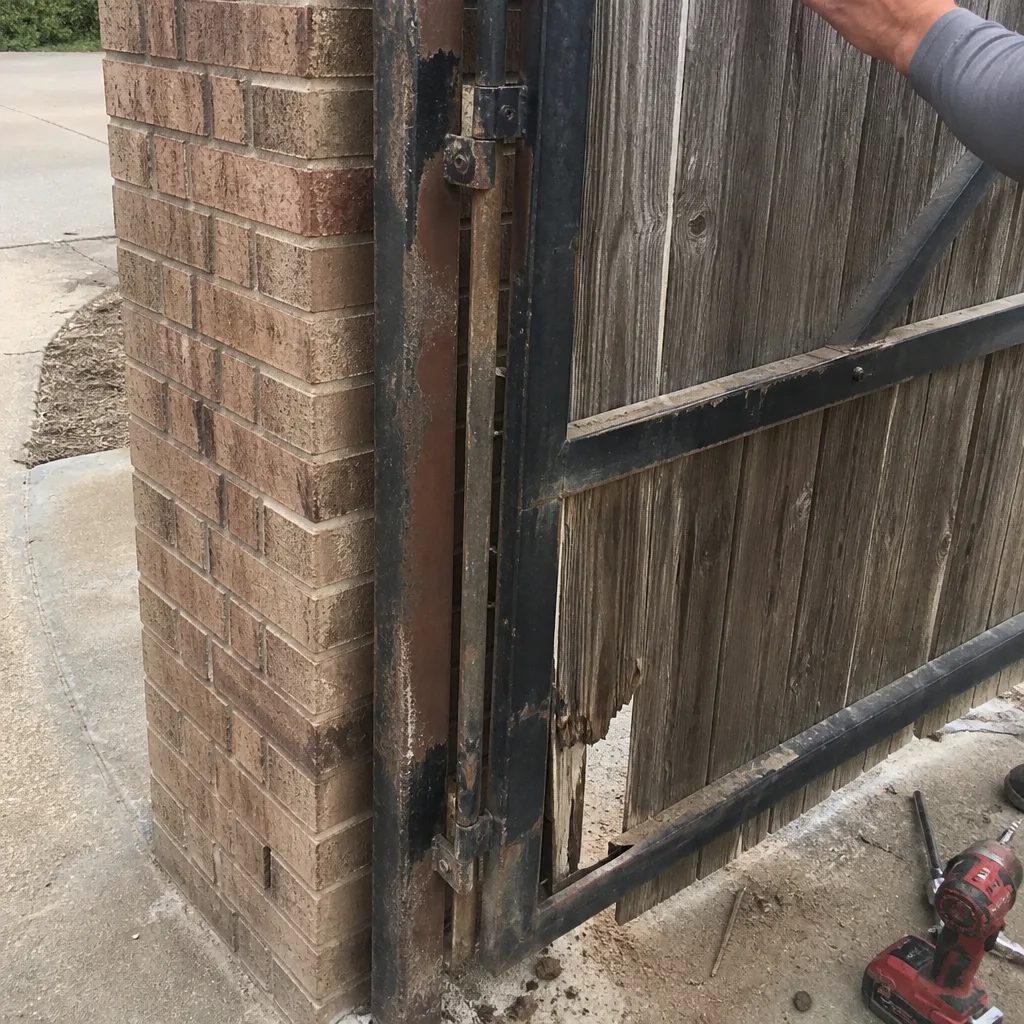 Before
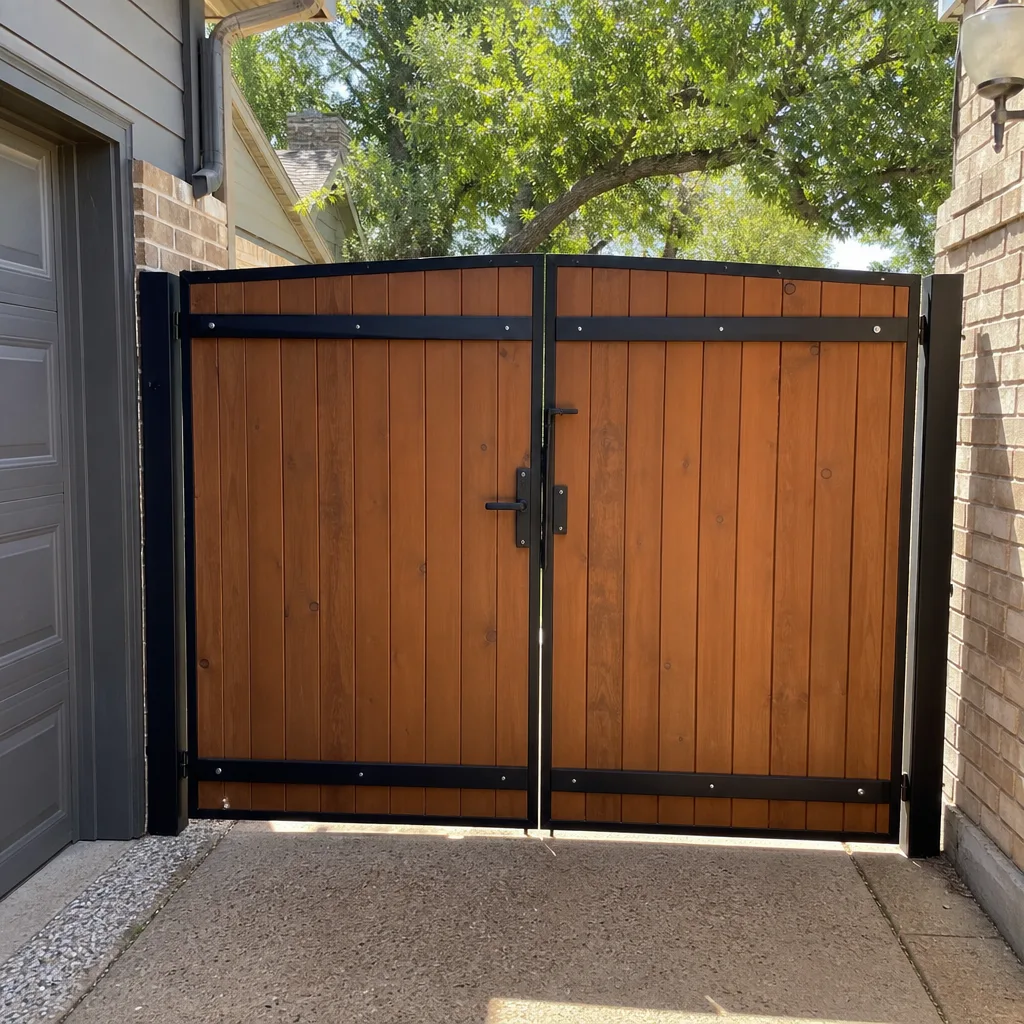 After
After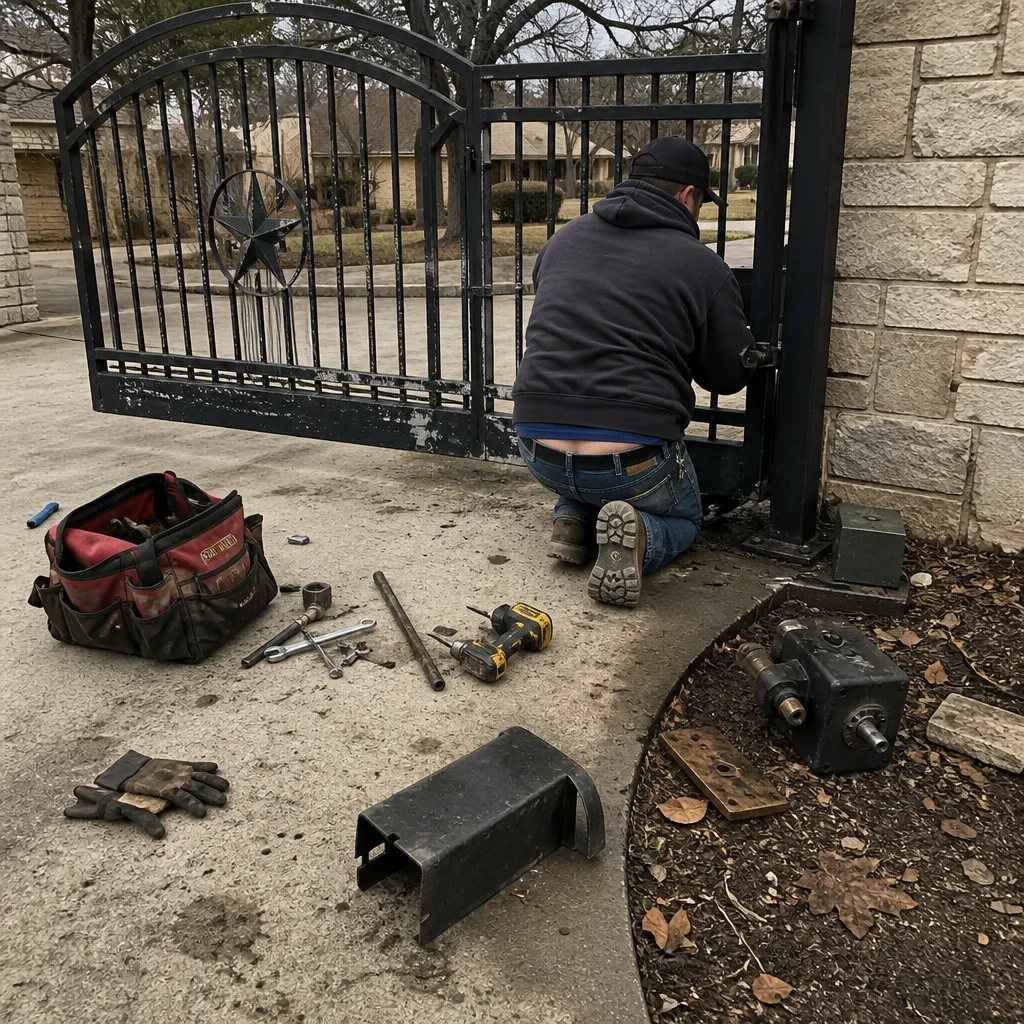 Before
 After
After Before
 After
After