
Last updated October 17, 2026
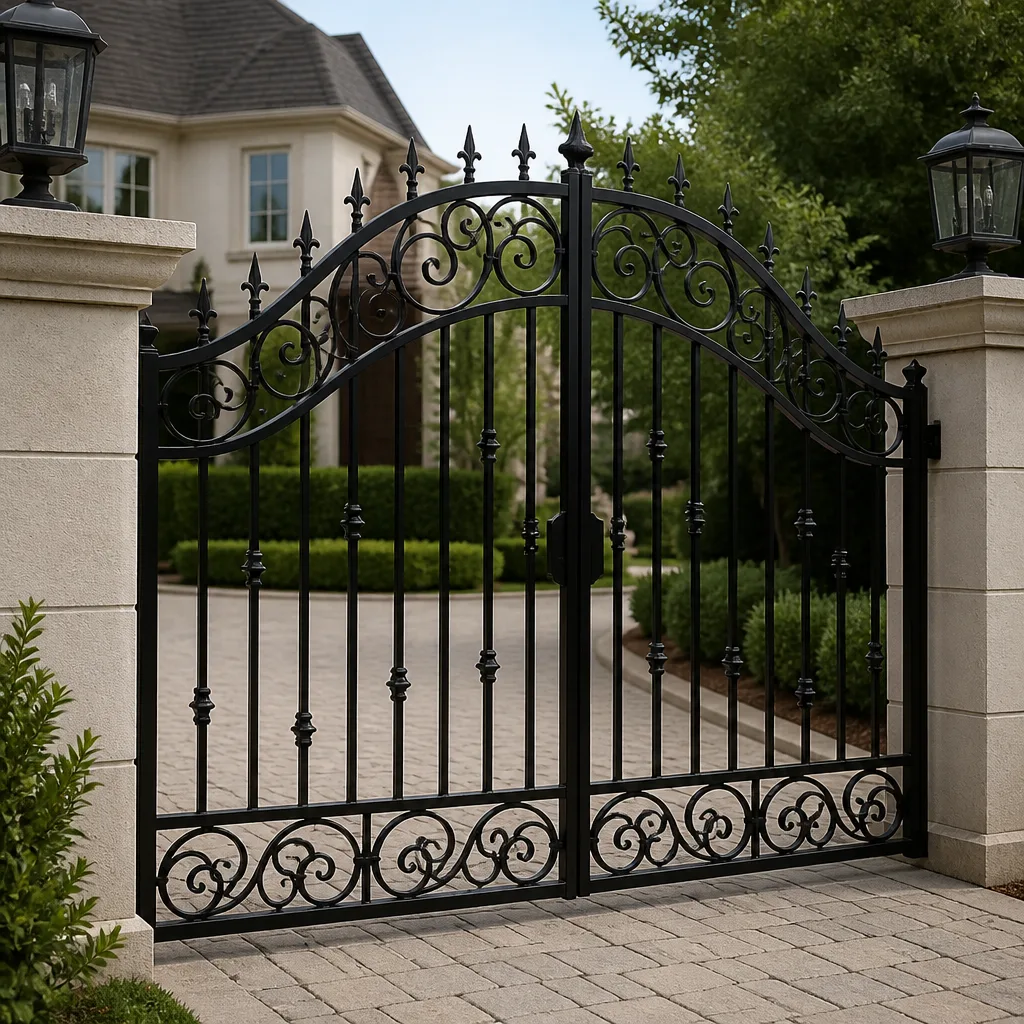 Wrought iron
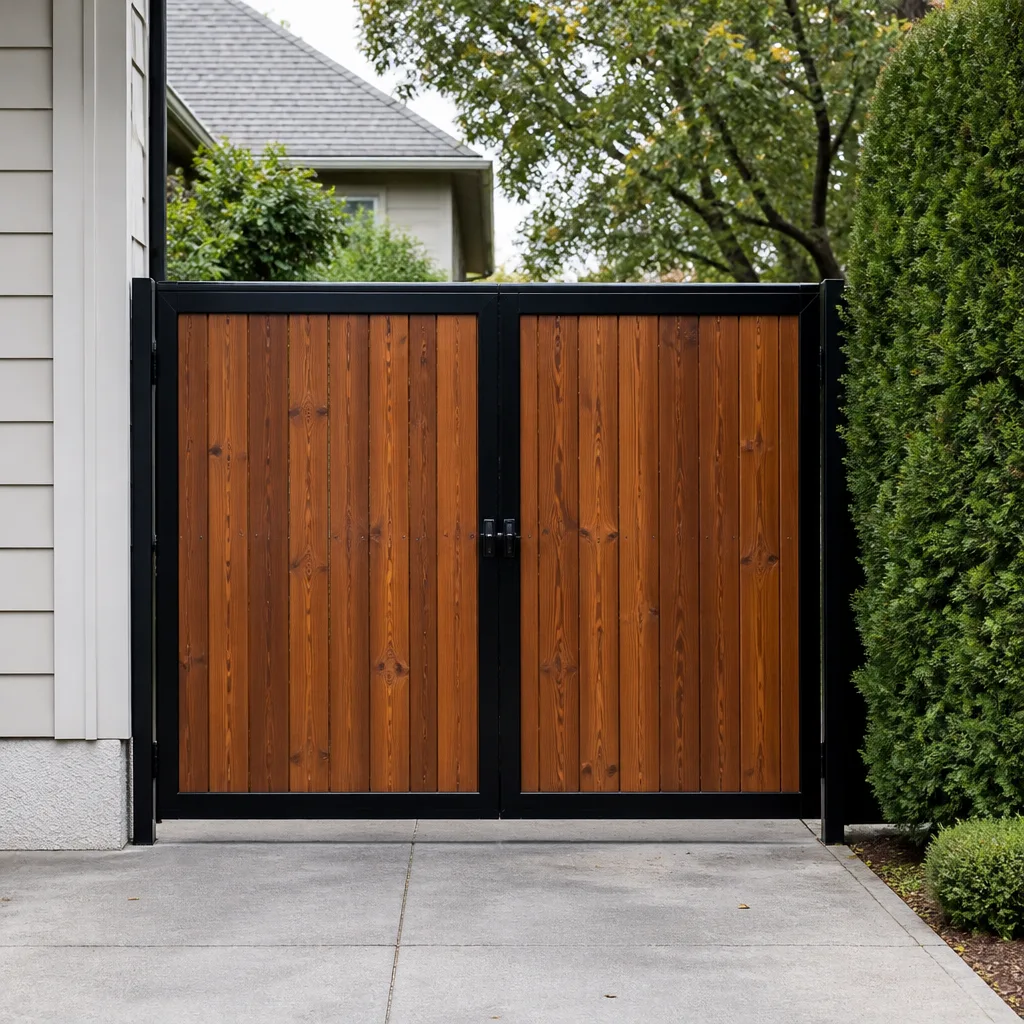 Wood & steel frame
 Farm & ranch
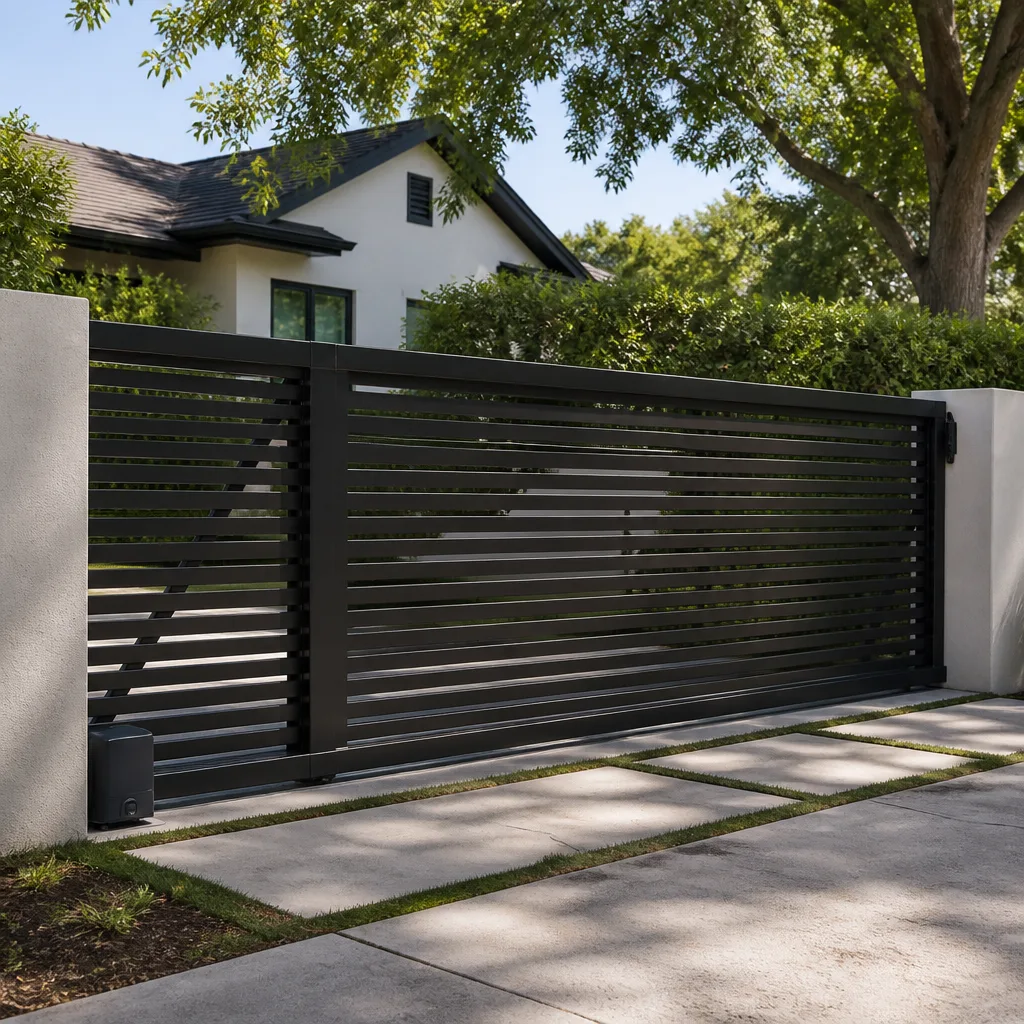 Sliding driveway gates
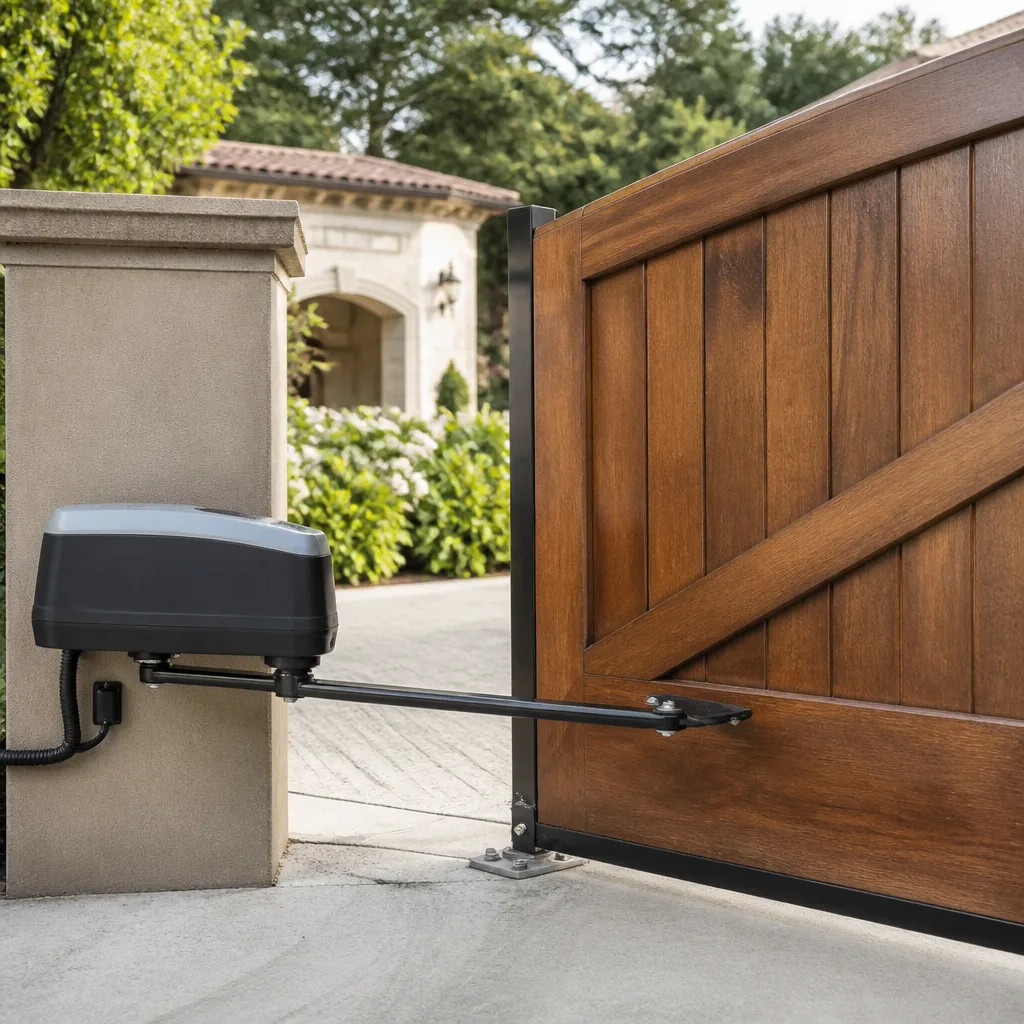 LiftMaster operators
Free on-site gate assessment - hinges, posts, and your LiftMaster or Nice gate operator checked before anything is quoted
The assessment is free and the quote is the invoice.
Get your free estimateHow to Hire a Gate Repair Contractor in Fort Worth: A Step-by-Step Guide
Of the complaints filed with the Fort Worth Better Business Bureau about fence and gate contractors in the past three years, the majority reference a price that changed after the job started. Not a broken gate. Not a missed appointment. A number on an invoice that didn’t match the number spoken in a driveway. This guide exists because that moment is avoidable. You’ll learn what to ask before anyone touches your gate, what a real written estimate looks like, how to verify a contractor’s registration in Texas, and which red flags separate a specialist from a side-job generalist. If you’re hiring a Gate Repair services contractor in Fort Worth, you’ll finish this page knowing exactly how to protect your budget before the first tool comes out.
Quick Answer
Hiring a gate repair contractor in Fort Worth comes down to five verifications: confirm the contractor specializes in gates, not fences or general handyman work; require a written, line-item estimate before authorizing anything; check Texas contractor registration and liability insurance; get warranty terms in writing; and ask whether the price includes post work, hardware brand, and cleanup. A specialist who does this without being asked is the contractor you want.
Styles & brands we work with
Table of Contents
- Step One: Separate the Gate Specialists from the Generalists
- Step Two: The Five Questions to Ask Before Scheduling
- Step Three: What a Legitimate Written Estimate Must Include
- Step Four: Verify Texas Registration and Insurance in Five Minutes
- Step Five: Red Flags Specific to Gate Repair Bids
- Step Six: Comparing Bids Without Losing Your Mind
- Step Seven: What Should Actually Happen on the Day of the Repair
- Common Mistakes to Avoid
Step One: Separate the Gate Specialists from the Generalists
Most contractors in Fort Worth who say they fix gates also fix fences, hang drywall, replace garage doors, and power wash driveways, as we cover in our The Complete Guide to Gate Repair in Fort Worth. That’s not a character flaw. It’s just that a gate is a combination of three separate systems: the mechanical hardware (hinges, latches, wheels), the structural work (posts, concrete footings, buried steel), and, on a growing share of Fort Worth properties, the low-voltage or line-voltage electrical system. A generalist handles one of those well and guesses at the other two. A specialist handles all three because that’s the only thing they do every day.
Here’s what we’ve seen after years of gate work in Fort Worth: when a post shifts in North Texas clay soil, the gate sags. A sagging gate loads the hinges unevenly. Uneven hinges overload the latch. And a homeowner who calls a fence company gets a quote to rebuild the fence panel beside the gate, but the post problem stays. Six months later the gate sags again. That’s not a dishonest contractor. That’s a contractor whose mental model of a gate ends at the fence line.
When you call, ask the contractor what percentage of their work is gates. Listen for a quick, specific answer. A gate specialist can tell you the last three gate jobs they did. A generalist will say something like “we do all kinds of exterior work.” Both are honest answers. Only one is the answer you want.
Gate repair in Fort Worth is its own trade. Treat it that way when you hire.
Step Two: The Five Questions to Ask Before Scheduling
These five questions take ninety seconds on the phone and eliminate most of the bad outcomes before they can happen. Write them down. Ask all five. If the person on the other end gets annoyed or vague, hang up and call the next name on your list.
- Is gate repair your primary business, or one of several services? You want an answer that names the trade specifically. “We do gates and fences” is a fence company. “We repair, install, and automate gates” is a gate company.
- Do you provide a written estimate before any work starts? If the answer is anything other than an immediate yes, you’re talking to someone who wants flexibility to change the number later. In Fort Worth, a verbal estimate for gate work is a bill that hasn’t finished growing yet.
- Whose hardware do you install? A specialist names the brands they stock and service: DoorKing, Elite, LiftMaster, Mighty Mule. A generalist says “whatever the supply house has.” The difference matters when a circuit board fails and you need someone who knows that specific board’s failure pattern.
- Is the technician an employee or a subcontractor? Subcontracting isn’t wrong by itself. But when a gate company subs out the work, the warranty becomes a finger-pointing contest. Employees trained on specific brands, background-checked, and sent in uniform is the standard you’re paying for.
- What happens if the gate fails again in the next year? This is the warranty question, phrased as a story. The answer tells you what the guarantee actually covers: parts, labor, both, or nothing.
Ask these before scheduling. We answer all of them without hesitation because the answers are the reason our customers call us.
Step Three: What a Legitimate Written Estimate Must Include
The written estimate is the single most important document in the entire hiring process. It’s the contract before the contract. In Fort Worth, where gate repair prices vary widely by neighborhood and hardware brand, a written estimate is the difference between a $280 latch replacement and a $1,400 invoice with “additional work required” scrawled on the bottom.
A legitimate written estimate for gate work in Fort Worth includes four things. If any one of them is missing, ask for a revised estimate or find another contractor.
- Line-item parts with brand names. Not “gate hardware.” It should say “DoorKing 1601-080 swing gate actuator” or “LiftMaster LA400 linear arm.” If the contractor can’t name the part, they don’t know which part they’re installing, which means they don’t know the cost, which means you don’t know the cost.
- Labor hours, separated from parts. Gate repair labor in Fort Worth typically runs $85 to $140 per hour depending on the complexity of the work. The estimate should state the hourly rate and the estimated hours, not a single blended number.
- Warranty language, in writing. What’s covered, for how long, and whether labor is included. If the estimate says “one year warranty” but doesn’t say what it covers, it covers what the contractor feels like covering that day.
- Scope boundaries. What the estimate explicitly does not include. Post replacement, concrete work, electrical runs, gate repositioning; if it’s not on the estimate, it’s not in the price. A vague estimate means a vague scope, and a vague scope means change orders.
Every gate comes down to two parts: the latch that holds it and the post that carries it. That’s the job we focus on, and that focus is why our estimates spell out those two parts line by line.
Latch and Post Gate Repair Fort Worth home details our full process, but the foundation is simple: a written price before any work starts, every visit, with no pressure to accept.
Step Four: Verify Texas Registration and Insurance in Five Minutes
Texas doesn’t license gate contractors the way it licenses electricians and plumbers, which means the burden of verification falls on the homeowner. That’s not a reason to skip verification. It’s a reason to do it fast and without apology.
Here’s the five-minute process:
- Ask for the business’s legal entity name. Not the brand name. The legal name on the registration and insurance certificate. If the contractor hesitates, that’s a red flag on its own.
- Check the Texas Comptroller’s franchise tax search. Go to the Texas Comptroller website, search the legal entity name, and confirm the business is in good standing. This takes ninety seconds.
- Ask for a Certificate of Insurance listing the business as the named insured. Call or email the insurance agency to verify the certificate is current. Confirm the policy includes general liability. For gate work that touches electrical systems, ask whether the technician’s work is covered under the policy or excluded.
- Check the Fort Worth BBB or Google for the complaint pattern. Zero complaints is the goal. One or two resolved complaints is normal. A pattern of unresolved complaints about pricing disputes is the pattern this guide exists to help you avoid.
This process takes five minutes and tells you whether the business is real, registered, insured, and accountable. Any legitimate contractor in Fort Worth will hand over these documents without friction. Any contractor who won’t is doing you the favor of disqualifying themselves.
Step Five: Red Flags Specific to Gate Repair Bids
Some red flags are universal: cash-only pricing, no written estimate, requests for large deposits before work starts. But gate repair has its own particular warning signs, and Fort Worth homeowners see them more than they should.
- “Adjust and repair” with no part named. This is the most common red flag in gate bids. It means the contractor plans to tighten some things, lubricate some things, and decide on the actual fix after they’re on site. Which means the price isn’t the price. A real estimate names the part, because a real diagnosis identifies the failure before the visit.
- A price that seems low because it excludes post work. In Fort Worth, posts set in clay soil shift over time. Gates sag. The gate hardware fails because the post moved. A bid that replaces the hinge but ignores the post is a bid designed to look cheap and produce a callback in eight months. Ask explicitly: “Does this price include post inspection and correction?”
- No mention of the gate’s brand. Your gate runs on LiftMaster or Elite or DoorKing or Mighty Mule hardware. If the estimate doesn’t name the brand it’s servicing, the contractor is treating your gate as generic, which is how a wrong board gets ordered and a second service visit gets scheduled.
- Warranty that covers “parts only.” Gate hardware is moderately cheap. Gate labor is the real cost. A one-year warranty covering parts but not labor is a warranty that protects the contractor, not you. Ask for parts and labor both, in writing.
- No mention of what gets protected during the work. Gate repair often means walking through the house to reach the control box, the keypad, or the breaker panel. A contractor who doesn’t mention drop cloths, shoe covers, or cleanup isn’t thinking about your home while they’re working on it. That’s not a dealbreaker, but it’s a signal about how the whole job will go.
Cody Beckman, who leads our Fort Worth team, built the Cedarwell C.A.R.E. values around a simple idea: clean up like it’s our own home, ask before we move or touch anything, respect the family’s time and quiet hours, and explain the price before the work. That’s the standard we’d want if it were our gate, our floors, our sleeping kid.
Step Six: Comparing Bids Without Losing Your Mind
You’ve received three written estimates. One is $240, one is $410, one is $790. Your instinct is to pick the middle one. Here’s the better way to compare them: look for what each estimate omits, not what it includes.
The $240 bid will usually be “adjust and repair” with no part named, which means the price is a one-hour service fee with an unknown attached. The $790 bid might include post excavation, concrete, and a new gate panel, which is honest but possibly more than you need. The $410 bid names the part, includes labor, states the warranty, and excludes the post because the post doesn’t need work. That’s not the middle bid. That’s the bid you can actually rely on.
How to compare them:
- Put the estimates side by side and cross out everything that isn’t a line item. “Inspection,” “assessment,” “service call” – these are real costs, but they need to be itemized, not hidden inside a total.
- Look for the brand name on the parts line. Three estimates that all specify a LiftMaster or Elite part are comparable. Two that say “hardware” and one that names the part are not comparable at all.
- Check the labor rate, not just the total. A contractor charging $95 per hour and estimating one hour is cheaper than a contractor charging $80 per hour and estimating four hours. The total is the last thing to look at, not the first.
- Ask the same follow-up question to all three: “Does this include the post work?” The answers will tell you more than the numbers will.
For gate installation rather than repair, the comparison changes slightly because the scope is larger and the hardware selection matters more. Our gate installation in Fort Worth page walks through what a full installation bid should include.
Step Seven: What Should Actually Happen on the Day of the Repair
You’ve hired the contractor. The written estimate is signed. The date is set. Here’s what a professional gate repair visit in Fort Worth should look like, from arrival to departure.
The technician arrives in a marked vehicle, in uniform, and knocks before touching anything. The first thing they do is review the written estimate with you, not disappear into the side yard. The second thing they do is protect the path they’ll walk: shoe covers before stepping inside, drop cloths under any work that could drop hardware or debris.
For a standard gate latch replacement, expect the work to take one to three hours. For an electric gate board replacement on a DoorKing or LiftMaster system, figure two to four hours depending on the control wiring. For post replacement, the work usually spans a full day because the concrete needs to cure before the gate rehangs. The technician should explain each step as it happens, not retreat into silence and emerge with an invoice.
When the work is done, the technician should demonstrate the gate opening and closing smoothly, show you the replaced parts, walk you through what was installed and why, and confirm the warranty terms in writing. And the final step, the one most companies skip: the cleanup. The drop cloths come up. The debris goes in the truck. The technician takes a photo of the clean area before leaving. You should never see a stray screw in the grass two days later.
If you’re dealing with an electric gate that won’t open or a keypad that stopped responding, the process is similar but the diagnosis happens first. Our electric gate repair in Fort Worth page covers the common failure points we see most often, from Phantom board failures to sensor misalignment.
Common Mistakes to Avoid
- Accepting a verbal estimate. In Fort Worth, a verbal estimate for gate work functions as an opening bid, not a price. The written estimate is the only version that binds the scope. If the contractor won’t write it down, the number isn’t real.
- Hiring a fence company to fix a gate. Fence companies build fence panels. Gate repair is a different trade that combines hardware, structure, and electrical work. A fence specialist can reinforce the fence beside the gate and leave the actual gate problem untouched.
- Choosing the lowest bid without reading what it excludes. A $180 bid that excludes post work is a $180 down payment on a $900 job. The exclusion is the real number. Read the exclusions before the total.
- Not asking who makes the replacement hardware. Gate hardware brands fail in predictable ways. A technician who doesn’t know whether your opener is a LiftMaster or a Mighty Mule is a technician who will order the wrong part and charge you for the second visit.
- Skipping insurance verification because it feels awkward. It’s not awkward. It’s ninety seconds on the phone with an insurance agency. If the contractor’s policy doesn’t cover the work, the risk sits on your homeowner’s policy.
- Ignoring the warranty language. “One year warranty” means almost nothing by itself. Parts and labor? In writing? Transferable if you sell the house? These are the questions that turn a warranty from a marketing phrase into a real protection.
- Treating the cheapest bid as the smartest bid. The smartest bid is the one whose scope and brand names match what your gate actually needs. That’s rarely the cheapest number on the page.
See the difference
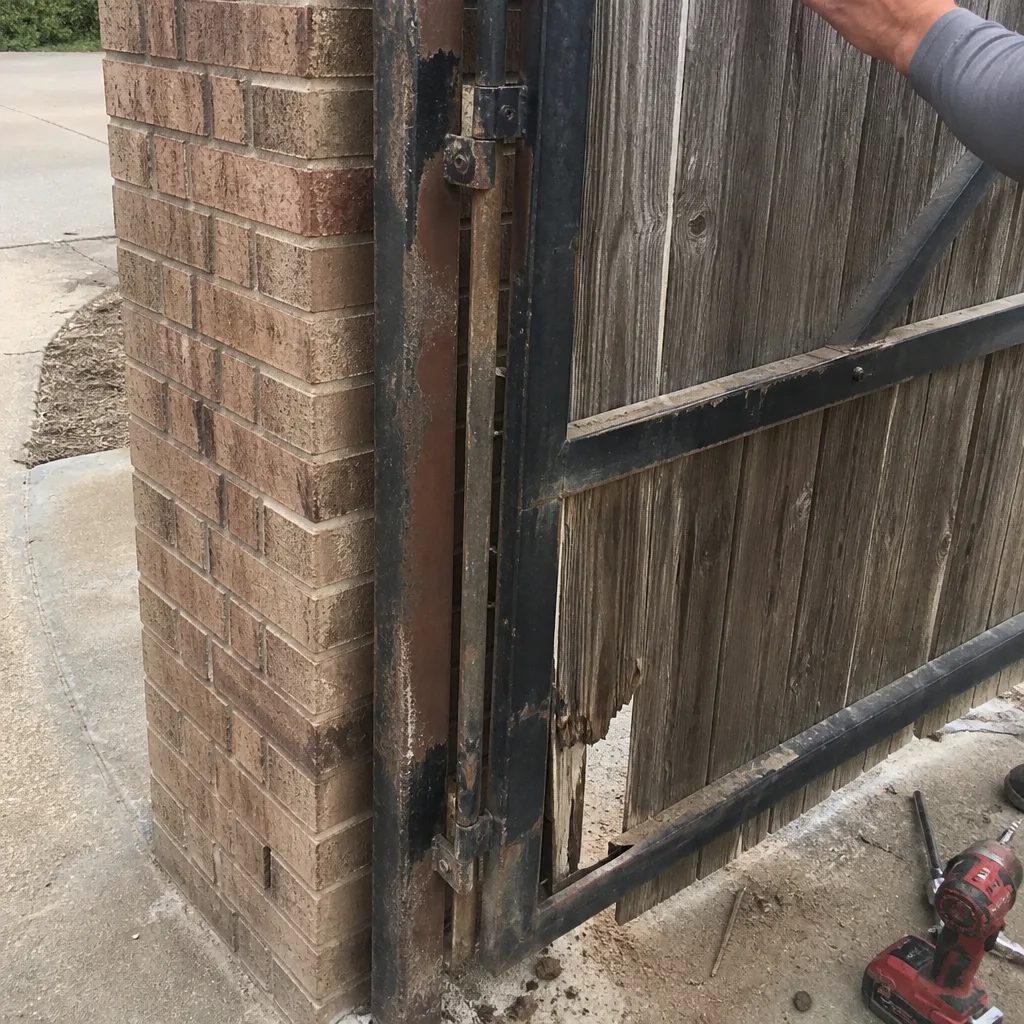 Before
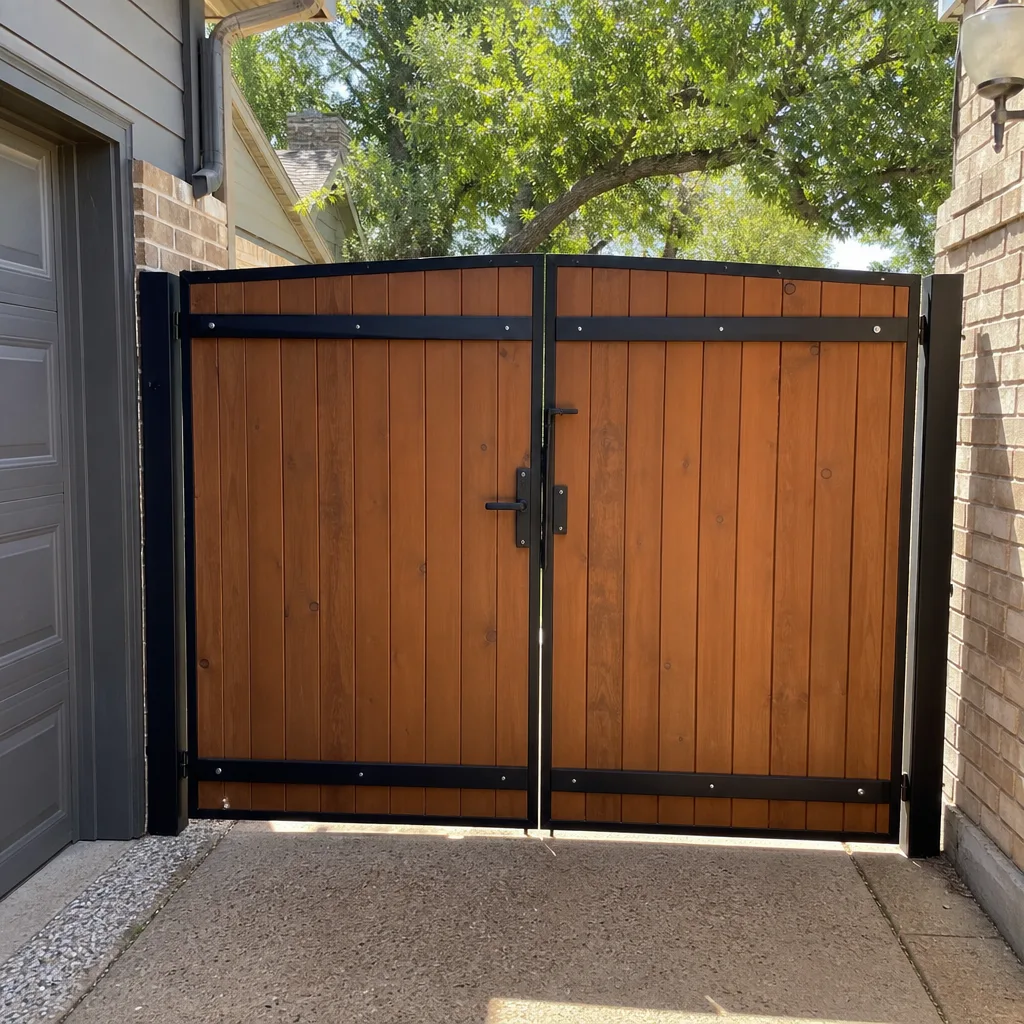 After
After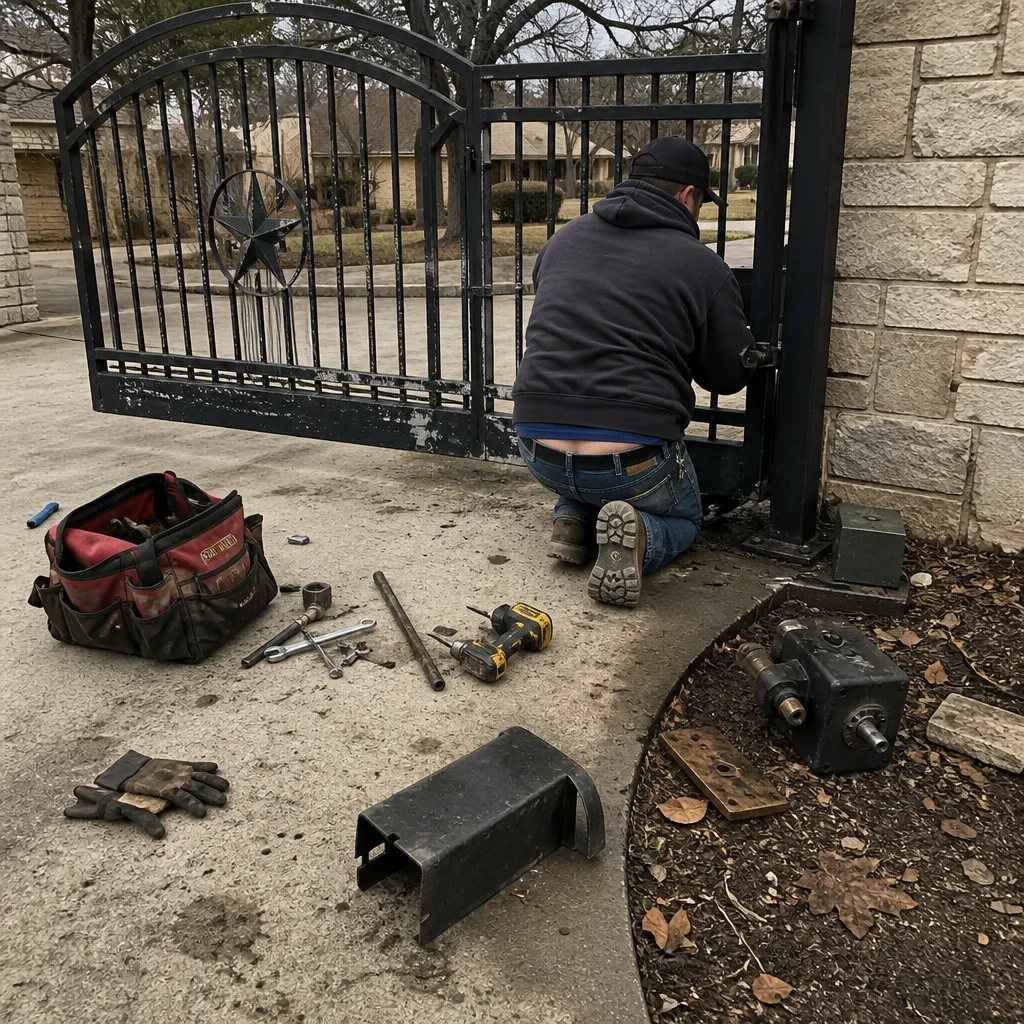 Before
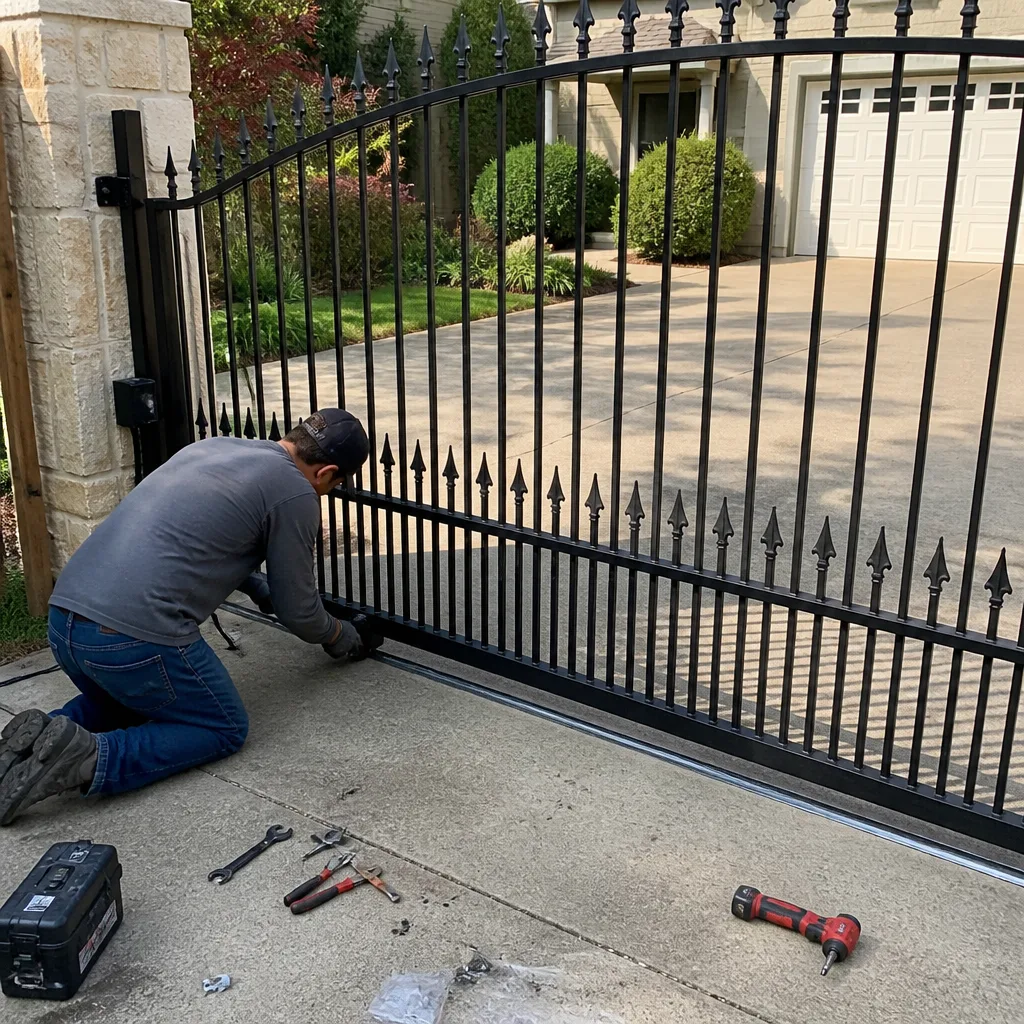 After
After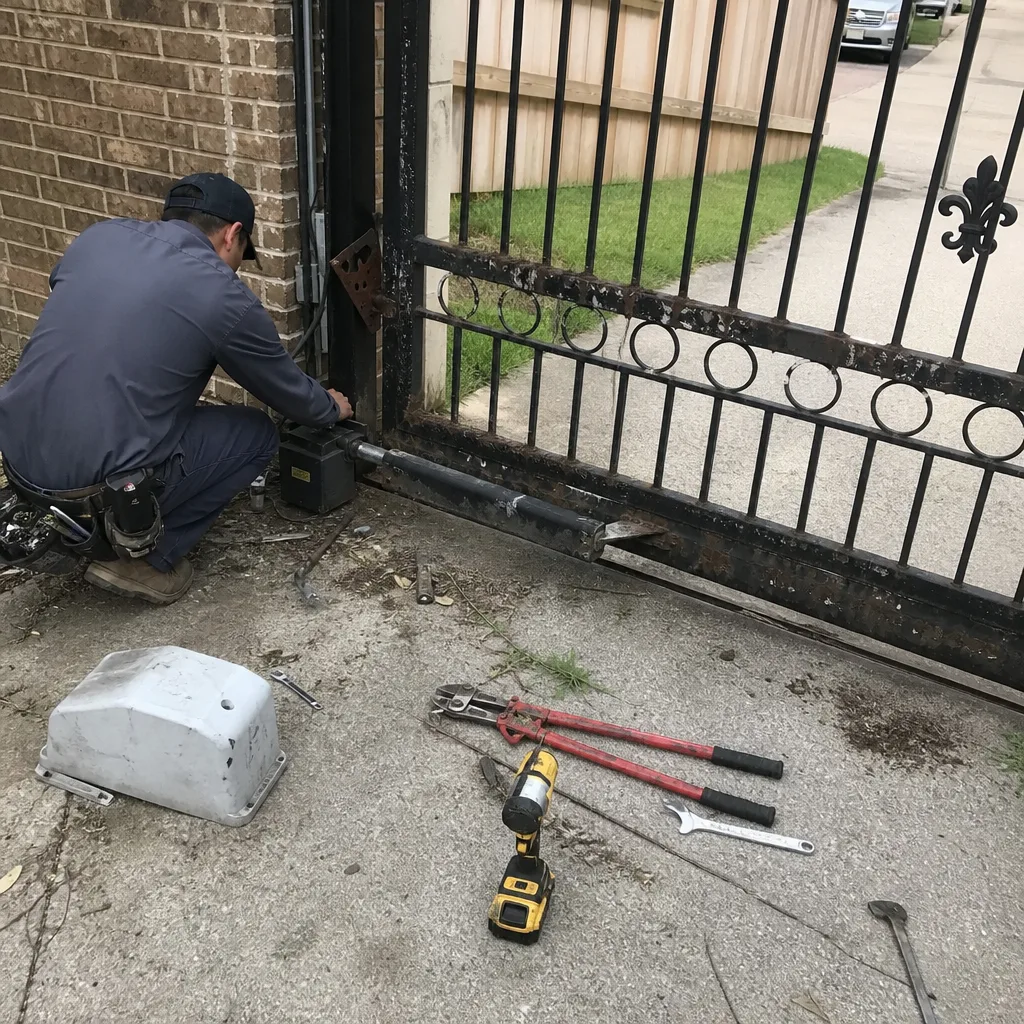 Before
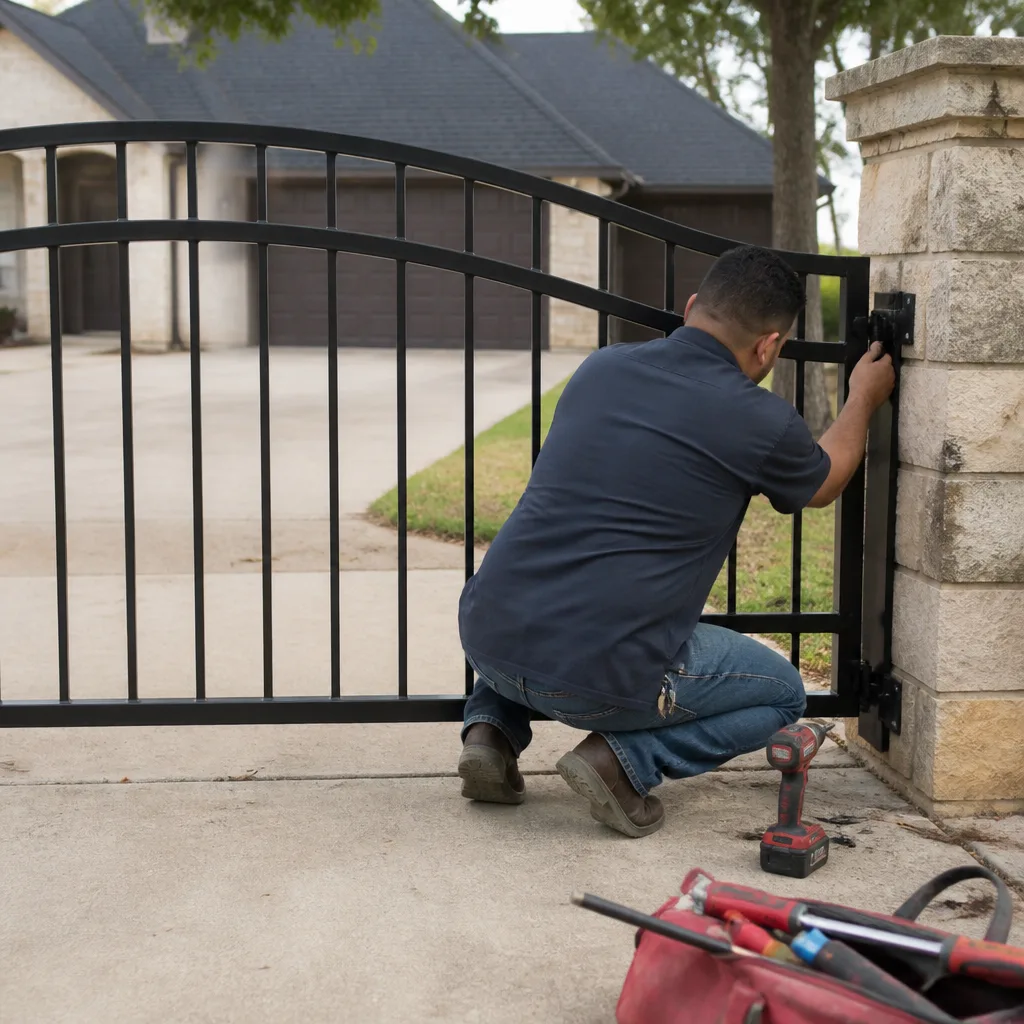 After
AfterWhen to Call a Professional
Some gate problems announce themselves plainly: the gate drags on the ground, the opener hums but nothing moves, the keypad accepts the code but the gate doesn’t budge. Those are professional repair calls, and the sooner you make them, the less secondary damage accrues. A dragging gate destroys the hinge bearings over time. A humming opener burns out the motor while you wait. If you notice the gate moving slower than it did last month, or a new creak that’s more metallic than wooden, call before the failure becomes a full replacement. Latch and Post Gate Repair Fort Worth offers free estimates in Fort Worth. Call (682) 841-5749 and a live person will answer, any hour, any day.
Frequently Asked Questions
Gate repair in Fort Worth typically runs from $180 to $800 depending on the failure. A standard latch replacement usually lands between $180 and $350. An opener board replacement on a LiftMaster or DoorKing system typically runs $350 to $800. Post replacement starts around $900 because the excavation and concrete work add labor hours. Every job is different, which is why the written estimate matters more than any range in any article.
Texas doesn’t issue a specific gate contractor license, so verification means checking the Texas Comptroller’s franchise tax records for the business’s legal entity name and requesting a current Certificate of Insurance that lists the business as the named insured. Confirm the policy includes general liability coverage and ask directly whether gate work is covered or excluded.
Some repairs justify same-day attention; a gate that won’t close is a security problem, not just an annoyance. Latch and Post Gate Repair Fort Worth answers calls around the clock. For quoting purposes, repairs can often be scheduled quickly; installations and new gate builds are measured, ordered, and scheduled since the materials and site work take longer.
Most Fort Worth homes with automated gates run on LiftMaster, DoorKing, Elite, or Mighty Mule hardware. The technician you hire should name the brand in the written estimate, not just “gate opener.” At Latch and Post, our technicians are factory-trained on the specific brands families actually own, which means the right fix happens on the first visit.
Most routine gate repairs in Fort Worth don’t require a permit: latch replacement, hinge repair, opener board swaps, sensor replacement. Larger structural work like new post footings or a full gate installation may require approval depending on the scope, and an honest contractor will tell you before the work starts. If a contractor guarantees you don’t need a permit without asking what the job involves, that’s a red flag.
A real gate repair warranty covers both parts and labor for at least one full year, states what happens if the same component fails again, and doesn’t hide behind fine print about “normal wear.” The 365-Day Done Right Promise that backs every Latch and Post job means if the repair or installation isn’t right, we make it right. No argument, no fine print.
The Bottom Line
Hiring a gate repair contractor in Fort Worth isn’t a trust exercise. It’s a verification process. Confirm the contractor specializes in gates. Ask the five questions before scheduling. Require a written, line-item estimate that names the parts, states the labor rate, and defines the warranty. Verify the business registration and insurance in five minutes. Read the exclusions, not just the total. Ask about the post, the hardware brand, and the cleanup. Do these things and the contractor you hire will be the contractor you meant to hire. Skip them and you’ll join the Fort Worth homeowners who learned the price changed after the job started. The choice is yours, and it starts with the first phone call. For more guides & resources, visit our blog.
Call (682) 841-5749 for a free, written estimate. Backed by the Cedarwell Care Promise and the 365-Day Done Right Promise.
Written by Cody Beckman, Owner at Latch and Post Gate Repair Fort Worth, serving Fort Worth since 2009.