
Last updated October 17, 2026
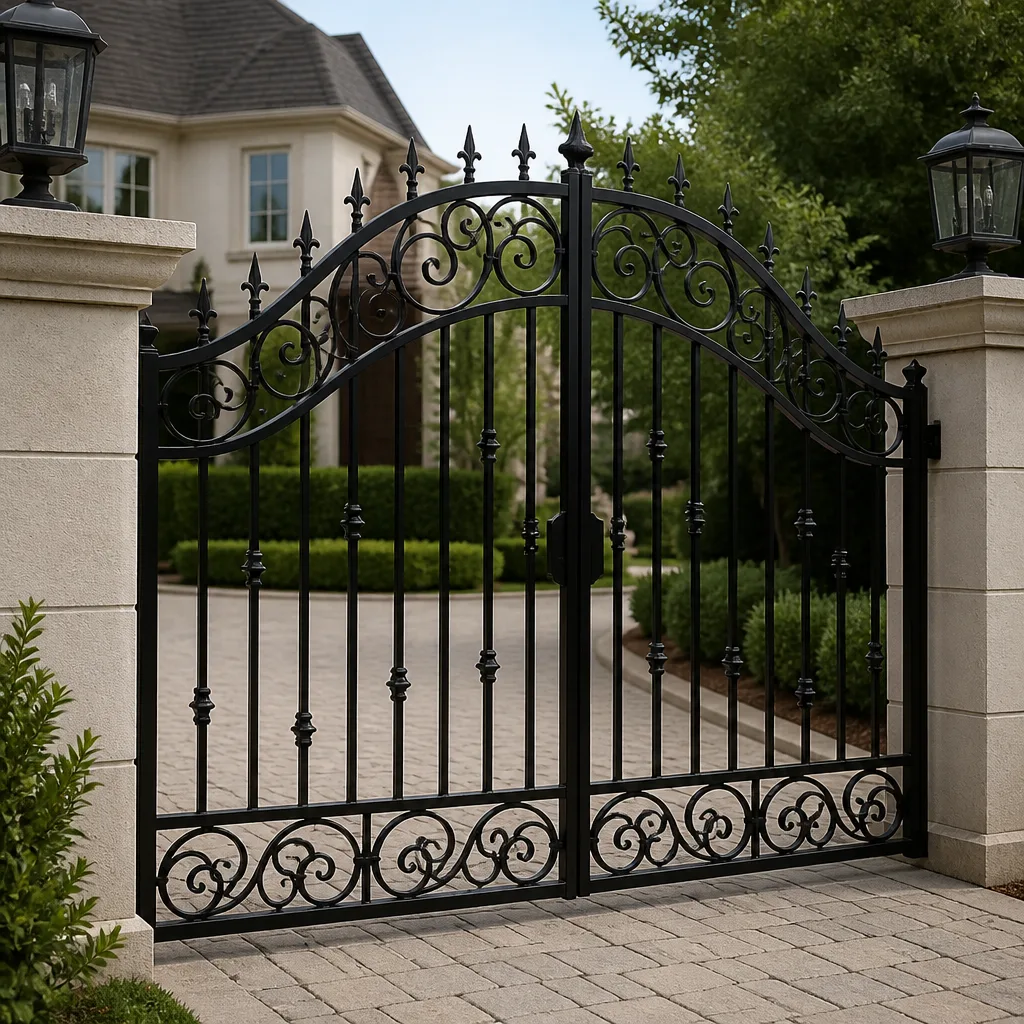 Wrought iron
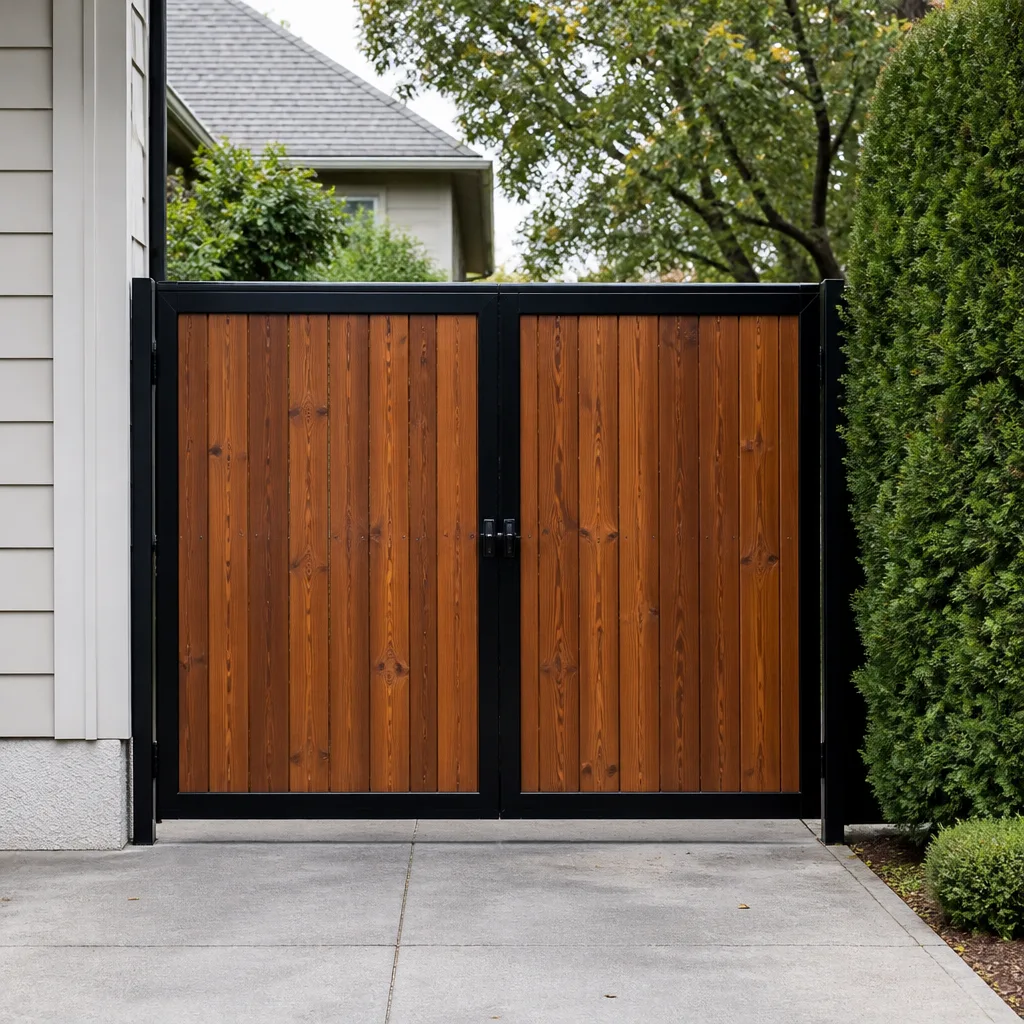 Wood & steel frame
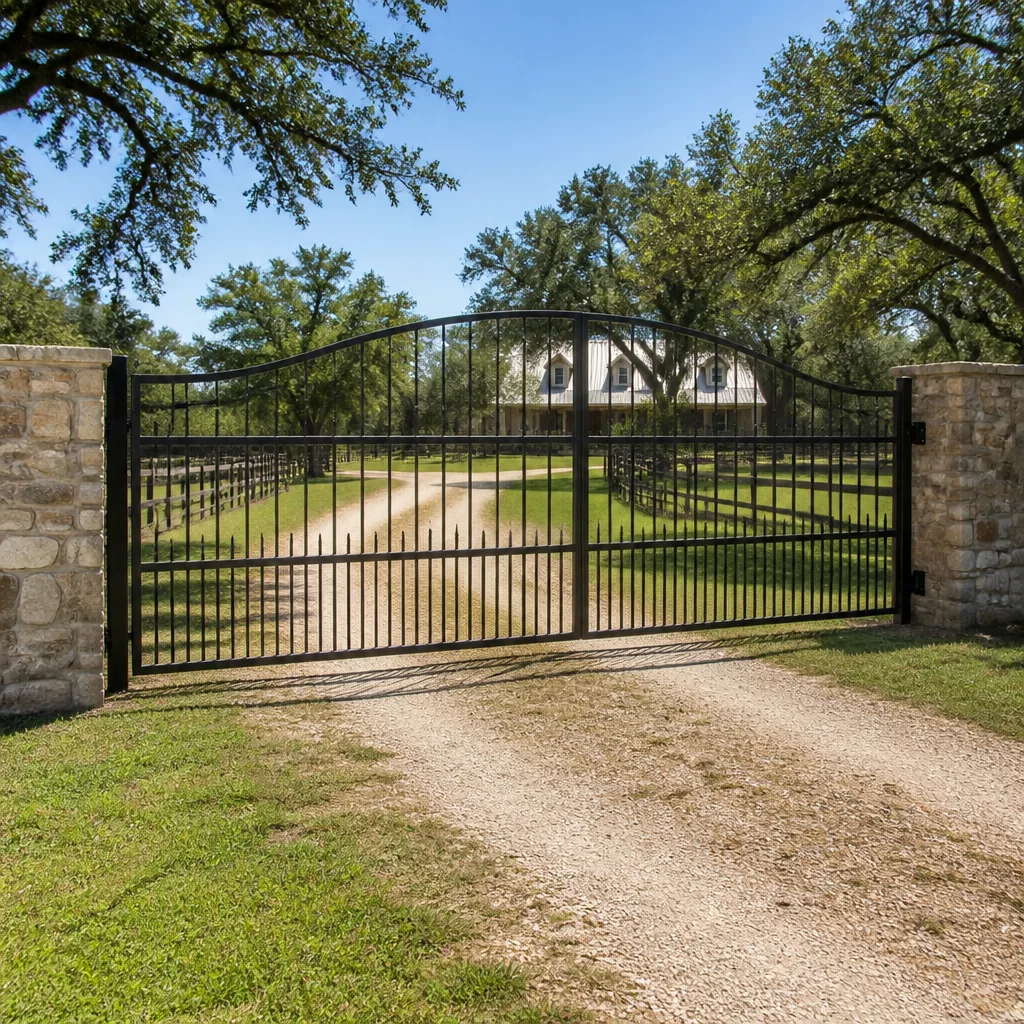 Farm & ranch
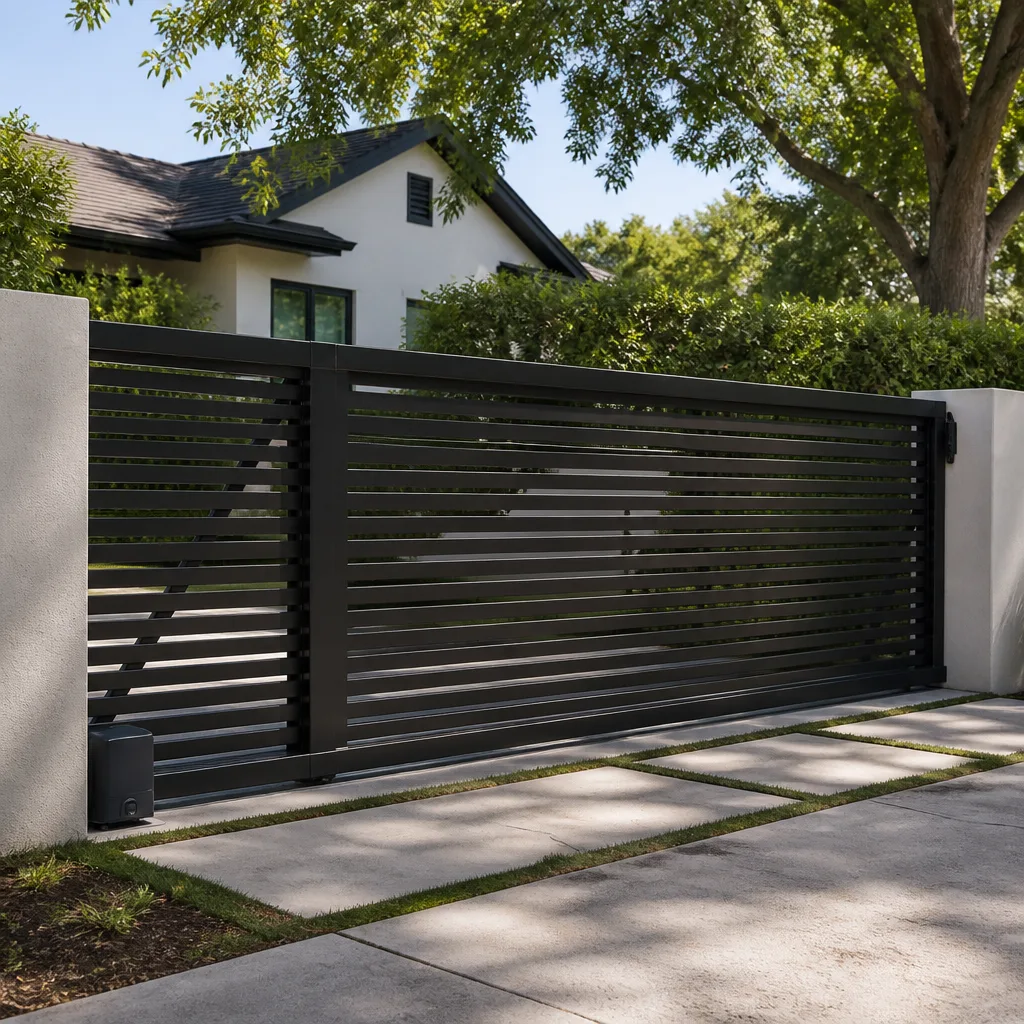 Sliding driveway gates
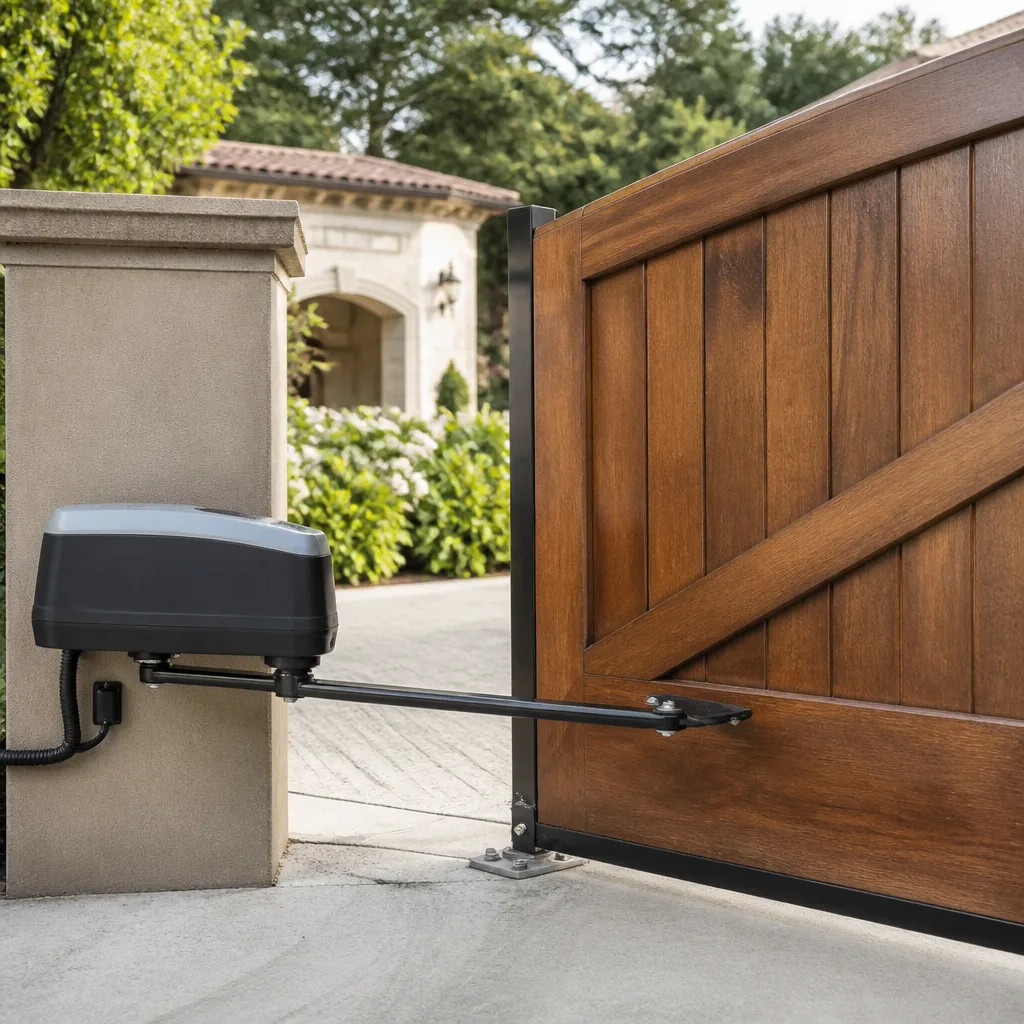 LiftMaster operators
Free on-site gate assessment - hinges, posts, and your LiftMaster or Nice gate operator checked before anything is quoted
The assessment is free and the quote is the invoice.
Get your free estimateDIY vs Professional Gate Repair: The Fort Worth Homeowner’s Decision Guide
A homeowner who watches a YouTube video and resets a leaning gate post by tamping gravel around the base hasn’t fixed the problem. They’ve delayed it by about one season. Fort Worth clay, the same gumbo soil that shifts foundations and cracks sidewalks across Tarrant County, will push that post again the moment the next wet-dry cycle runs. And the gate will be worse the second time, because the post hole is now wider, the post is looser, and the gate has spent a year pulling on hinges that were never designed to carry a wobbling frame. This guide draws a clear line between the repairs that genuinely stay fixed with basic tools and the ones that quietly fail two weeks after the video tutorial ends. For more on what professional our Gate Repair services cover, see below. If you live in Fort Worth, that line matters more than your skill level.
Quick Answer
DIY gate repair in Fort Worth makes sense for surface-level fixes: replacing a latch bolt, tightening hinge bolts, swapping a picket, or adjusting a strike plate. Professional repair is the right call for anything involving a post set in clay soil, welded steel, an electric operator with a control board, or a gate that has sagged more than half an inch. Gate repair in Fort Worth gets complicated fast because the soil moves seasonally and the hardware on most residential gates was undersized from day one.
Styles & brands we work with
Table of Contents
- The Fort Worth Soil Problem
- Repairs That Are Genuinely DIY-Safe
- Repairs That Need Professional Tools and Training
- The Real Cost of a Failed DIY Repair
- Why Electric Gate Operators Are Almost Never DIY
- What a Latch & Post Professional Brings That a Capable DIY Homeowner Cannot
- The One DIY Repair Worth Doing: A Latch Replacement Done Correctly
The Fort Worth Soil Problem
Most gate repair advice online was written for places where the ground stays put. Fort Worth is not one of those places. The city sits on a band of expansive clay soil that swells when it rains and contracts when it dries. A fence post set in that soil experiences lateral pressure that changes by the month. In neighborhoods like Wedgwood, TCU area, Arlington Heights, and Alliance, we regularly see gates that were installed level in June and leaning by September, without anyone touching them. The post didn’t fail. The soil moved and took the post with it.
This matters for the DIY question because it changes what a “loose gate” actually is. A homeowner sees a gate dragging on the latch side and assumes the hinges wore out. They buy new hinges, bolt them on, and the gate still drags. The hinges were never the problem. The post has rotated a few degrees at the base, and no amount of hinge work fixes a post that is no longer plumb. In our experience across Fort Worth, maybe one in five sagging gates is actually a hinge problem. The other four are post problems, and post problems are a soil problem.
What makes Fort Worth clay especially unforgiving is the wet-dry cycle. After a heavy spring rain, the soil expands, gripping the post tight. Then the summer heat bakes it, the clay contracts, and a small gap opens around the concrete footing. Water gets in. The cycle repeats. Over two or three years, that hydraulic action loosens even a well-set post. This is also why the gravel-tamping fix from the opening of this guide never lasts. Tamping gravel addresses the symptom, a loose post right now, but does nothing about the clay that will loosen it again next season.
Repairs That Are Genuinely DIY-Safe
Some gate repairs are straightforward mechanical fixes that don’t require specialized tools, don’t involve electricity, and don’t depend on the post staying buried in clay. If you’re reasonably handy and have a basic socket set, a drill, and a level, these are the repairs where DIY makes sense.
Here’s a clear breakdown of what a homeowner in Fort Worth can handle without calling us:
- Latch bolt replacement: This is the most common gate failure we see that a homeowner can genuinely fix. The spring-loaded bolt wears out or the housing cracks. You unbolt the old latch, bolt on the new one, and adjust the strike plate. Thirty minutes, $15 to $40 in parts, and it’s done for years.
- Strike plate adjustment: If the gate closes fine but the latch doesn’t catch, the strike plate has usually drifted. Loosen the screws, move the plate an eighth of an inch, test, tighten. This is a five-minute fix with a screwdriver.
- Hinge bolt tightening: When a gate on a solid post starts to sag slightly, the hinge bolts themselves have often backed out. Tightening the bolts on both the post side and gate side, and checking that the hinge leaves are still flat against the wood or steel, can restore the gate’s line. If the post is plumb and the hinges aren’t bent or cracked, this is a legitimate DIY fix.
- Single picket or board replacement: A cracked picket or a rotted bottom board on a wood gate is a cosmetic and structural fix you can do with a drill, exterior screws, and a replacement board cut to size at any Fort Worth lumberyard. The gate doesn’t come down. You replace the one board, prime the raw edges, and paint or stain to match.
- Wheel and track cleaning on rolling gates: Rolling gates pick up dust, leaves, and gravel. Cleaning the track and removing debris from the wheel housing is maintenance, not repair, and it’s something every homeowner should do twice a year regardless of who repairs the gate.
The common thread in every DIY-safe repair is that the post is solid and plumb, the gate frame is intact, and there is no electricity involved. When those three conditions hold, the repair is mechanical and reversible. You can take the part off, see what’s wrong, and put a new one on without risking the gate, the post, or yourself.
Repairs That Need Professional Tools and Training
Then there are the repairs that look doable on video and aren’t. These either require equipment you can’t rent at Home Depot, knowledge specific to a manufacturer, or a process where the error compounds over time instead of revealing itself immediately. In Fort Worth, the soil adds a layer of difficulty to several of these.
- Post reset in clay soil: A leaning post cannot be corrected by adding gravel, shoving a shim under the gate, or propping the post with a brace. The fix involves pulling the post, excavating the old footing, and setting a new post in concrete that goes below the zone where Fort Worth clay moves. That typically means a hole three feet deep or deeper, a concrete pour, and a full day of curing before the gate goes back on. It also means knowing how to crown the concrete so water runs away from the post instead of pooling at the base. Get any of that wrong and the post leans again in eighteen months.
- Weld repair on steel gates: Steel gate frames crack at the welds, especially where the hinge bracket meets the frame. Fixing that requires a welder, the right rod or wire, and enough experience to know when a crack means the frame needs reinforcement rather than just a re-weld. A cold or porous weld fails under repeated loading, and the gate drops. This is not a job for a consumer-grade flux-core welder and a YouTube refresher.
- Operator board programming: This deserves its own section, which it gets below, but the short version is that a residential gate operator’s control board is not a plug-and-play part. Replacing one involves calibration sequences that are specific to the manufacturer and sometimes to the model.
- Safety edge and loop detector installation: Electric gates have safety systems. A reversing edge mounted on the gate and loop detectors buried in the driveway sense obstructions and signal the operator to stop or reverse. These components are wired into the operator with polarity and resistance requirements. A miswired safety edge can knock out the whole system or, worse, fail to reverse when it should.
- Sagging steel frame correction: A steel gate that has sagged usually hasn’t just worn a hinge. The frame itself has yielded, often because a hinge bracket was too small for the gate’s weight in the first place. Correcting it means cutting and re-welding a brace or replacing the hinge assembly entirely. Bolting a chain and turnbuckle across the frame is a temporary prop, not a repair.
What separates these from the DIY-safe list is not raw difficulty. It’s that failure comes late. A bad latch bolt fails immediately and you see it. A bad post reset fails in eight months, after a rain cycle, and by then the damage has spread to the hinges and the gate frame. A bad weld fails when the gate is moving, which is the worst possible time.
The Real Cost of a Failed DIY Repair
The math on DIY gate repair usually counts the parts and the time. What it doesn’t count is the repair to the repair. In Fort Worth, that second repair is common enough that it shapes how we price gate installation in Fort Worth, because we’re often replacing work that was never done right in the first place.
Here’s a realistic example. A homeowner in Benbrook notices the gate dragging. He buys a new latch for $35, a hinge kit for $40, and spends a Saturday afternoon installing both. The gate lifts a little and he calls it good. Three months later, the gate is dragging worse than before. What actually happened: the post was rotating at the base, and the new hardware absorbed the sag for a few weeks before the problem reasserted itself with the next rain. The post now needs to be reset, which requires pulling the post, breaking out the old footing, and pouring new concrete. That’s a $450 to $800 repair in most of Fort Worth, depending on soil conditions and fence line access. The $75 in parts and the Saturday are gone. The post was always going to need resetting. The DIY delay made the gate worse because the gate spent three more months hanging off a moving post, wearing the hinge brackets oval.
We see a specific version of this with electric gates. A homeowner with a V-ring or Mighty Mule operator that won’t open buys a new control board online for $180, swaps it in, and finds the gate only opens two feet and stops. The board needs calibration. There’s a sequence involved: setting the open and close limits, adjusting the force sensitivity, and programming the auto-close timer. Without the right calibration, the operator either doesn’t open fully or opens with enough force to knock over a child. The homeowner now has a new board installed and a gate that doesn’t work, and the repair that follows is a repair of both the original problem and the DIY attempt.
The honest cost of a failed DIY gate repair is the parts you bought plus the time you spent plus the professional labor to fix both problems. For a detailed look at pricing, see our Gate Repair Cost Breakdown: The Fort Worth Homeowner’s Reference for 2026. In our experience, that total consistently runs higher than the professional repair would have cost on day one.
Why Electric Gate Operators Are Almost Never DIY
Electric gate operators are the clearest line in this guide. The physical work, unbolt the operator, unhook the arm, remount the new one, is within a capable homeowner’s reach. What sits downstream of that physical work is the reason electric gate repair in Fort Worth is a professional call almost without exception.
Gate operators from BFT, Linear, Viking, and Ghost Controls, the brands we work on most in Fort Worth, are not simple motors. They are single-board computers with inputs from limit switches, safety edges, loop detectors, and remote receivers. Replacing a board on a Viking operator, for example, is not a matter of unplugging the old board and screwing in the new one. The new board has to be taught where the gate’s open and closed positions are. It has to be told how much force to apply before it considers something an obstruction. It has to be told whether the auto-close function is on and how long to wait. Those settings are entered through a sequence of button presses and LED acknowledgments that are specific to the manufacturer’s firmware version. Get the force setting wrong and the gate can close on a car bumper or a dog. Get the limit setting wrong and the actuator tries to push the gate past its physical travel, which burns out the motor or bends the arm.
Linear, BFT, and Ghost Controls boards have their own sequences, and a board that was manufactured in one year may calibrate differently from the same model made three years later. The printed instructions inside the control box are often for a different firmware revision. The correct procedure lives in the manufacturer’s service documentation, which requires a dealer login for some brands. This is not knowledge a homeowner can reasonably gather from a video.
Beyond calibration, there’s the wiring. A residential operator connects to power, often a dedicated 20-amp circuit, and then to a safety edge and, on many Fort Worth properties, a loop detector under the driveway. The safety edge is a pressure-sensitive strip that reverses the gate when it contacts something. The loop detector senses a vehicle’s metal mass and holds the gate open. Both components operate on low-voltage signals that the board interprets. A loose neutral or a reversed polarity on the edge circuit produces intermittent faults that mimic a dead board. A homeowner who replaces the board to fix a fault that was actually in the edge wiring has spent $200 and changed nothing.
The safety dimension here is real. An electric gate that has been calibrated with too much force will push through a person. A gate that has been calibrated with too little force will stop halfway and leave the property open, which is the condition the gate was installed to prevent. Both outcomes are worse than paying for the repair done right.
What a Latch & Post Professional Brings That a Capable DIY Homeowner Cannot
There’s a version of this guide that ends with “call a professional” and leaves it there. Here’s the specific list of what a professional repair actually includes, because the difference between a $400 repair and a $400 repair plus three hours of your Saturday is the stuff beyond the bolt turning.
First, a Latch & Post technician arrives with the diagnosis already mostly formed. When you call, we ask specific questions: What brand is the operator? Does the gate drag on the latch side or the hinge side? Did the problem start after a rain? A gate that drags on the hinge side and started after a rain is a post problem in Fort Worth, and we can say that on the phone before the truck rolls. The visit then confirms what experience suggested, and the repair parts are already on the truck. This is the efficiency that comes from doing nothing but gates, year after year, in the same soil conditions.
Second, the repair is documented. Every Latch & Post visit includes a written price before any work starts, shoe covers and drop cloths before we step inside, and a photo of the cleaned-up work area before we leave. This is the Latch and Post Gate Repair Fort Worth home standard, and it’s part of the Cedarwell C.A.R.E. values: Clean up like it’s our own home; Ask before we move or touch anything; Respect your time and quiet hours; Explain the price before the work. If your kids are napping, we work quietly. If your dog is inside, we shut the gate behind us. These are not add-ons. They’re the baseline routine on every single visit.
Third, the repair carries a warranty. The 365-Day Done Right Promise covers every repair and installation we do. If the repair isn’t right, we make it right, no argument and no fine print. A DIY repair carries a warranty that lasts until the receipt fades. This matters most on the repairs in the professional column, where the failure may not show up for months. A post set in Fort Worth clay either settles correctly in the first year or it doesn’t. If it doesn’t, we’re back to make it right.
Fourth, calibration is logged by serial number. On an electric gate repair, we record the operator’s serial number, the board revision, and the final settings after calibration. If the gate needs service again in two years, we know what that specific board was set to and whether anything changed. No homeowner’s notebook has this, and no manufacturer will give it to you over the phone.
The One DIY Repair Worth Doing: A Latch Replacement Done Correctly
This guide wouldn’t be honest without acknowledging the repair where DIY is the right answer. It is the classic Fort Worth gate failure: the wooden gate that won’t stay latched. The post is fine. The hinges are fine. The latch, a $20 zinc or steel part, has been opening and closing for a decade and the internal spring has given up. Here is the repair done correctly, step by step.
- Confirm the post is plumb. Put a four-foot level on the post, both faces. If the bubble is inside the lines within a degree or two, the post is fine. If the post is visibly out of plumb, stop. This is a post repair, not a latch repair, and the new latch will not fix it.
- Confirm the gate frame is square. Measure diagonally from top hinge corner to bottom latch corner, then the other diagonal. If the two measurements differ by more than a quarter inch on a six-foot gate, the frame has racked and the new latch will bind.
- Buy the right latch. Take the old latch to a hardware store and match the profile. The critical dimension is the backset, the distance from the face plate to the center of the bolt hole. Standard is 2-3/8 inches. Get this wrong and the new latch will not line up with the existing strike plate hole.
- Unbolt the old latch. Two bolts go through the face plate into the gate frame. On a wood gate, they are usually carriage bolts. The heads may be covered by paint. Scrape the paint and back them out. The latch comes off as one unit.
- Install the new latch. Slide the new mechanism into the bore from the face plate side. Thread the two bolts through and tighten until snug. Do not overtighten, which can crack the wood around the bore. The bolt should move freely when you press the thumb lever.
- Adjust the strike plate. Close the gate slowly and watch where the latch bolt meets the strike plate. If the bolt catches too low or too high, loosen the two strike plate screws and shift the plate until the bolt slides into the slot without lifting the gate. A gate that needs a hard shove to latch is wearing the new latch from day one.
- Test both directions. Open and close the gate ten times. The bolt should catch every time without slamming and without sticking. If it catches from outside but not inside, the strike plate is angled. Loosen it and reset it flat against the post.
When this repair is done correctly, the result is a gate that latches with one hand and stays latched for another decade. The post never moved, the frame never racked, and the hinge bolts stayed tight. This is the DIY repair that honors the spirit of the question: the right tool knowledge, the right part, and a clear stopping point if anything upstream is wrong.
Most standard latch replacements in Fort Worth run between $90 and $160 in professional labor, with the part often under $25 retail. You’ll know the exact number before work starts if you call us, because that’s how the written price works. Whether you take that route or do the latch yourself, the key is recognizing the repair for what it is before you start.
Common Mistakes to Avoid
- Resetting a post with gravel or dirt instead of concrete. In Fort Worth clay, a post set without concrete below the active soil zone will lean within one wet-dry cycle. Gravel tamping is a temporary shim, not a footing.
- Replacing hinges and a latch when the post is the problem. New hardware on a moving post looks fixed for a month and then fails the same way. Always check the post first, before buying any parts.
- Buying a generic gate operator board online and expecting it to work out of the box. Operator boards need manufacturer-specific calibration after installation. Without it, the gate may open partway, slam, or fail to reverse on contact.
- Ignoring the safety edge when the gate stops working. Many “dead operator” service calls in Fort Worth turn out to be a shorted or damaged safety edge, not a failed board. Replacing the board leaves the actual fault in place.
- Welding a cracked gate frame without understanding why it cracked. A gate frame cracks because it flexes. A re-weld without a reinforcing plate or brace duplicates the same stress and cracks again, often beside the original weld.
- Overtightening bolts on a wood gate. A 3/8-inch carriage bolt can crush the wood fibers around it. Once the bore is wallowed out, the latch or hinge never seats squarely again.
- Working on an electric operator with the power on. The operator’s control board carries line voltage even when the opener is in standby. Lock out the breaker and verify before touching any wiring.
See the difference
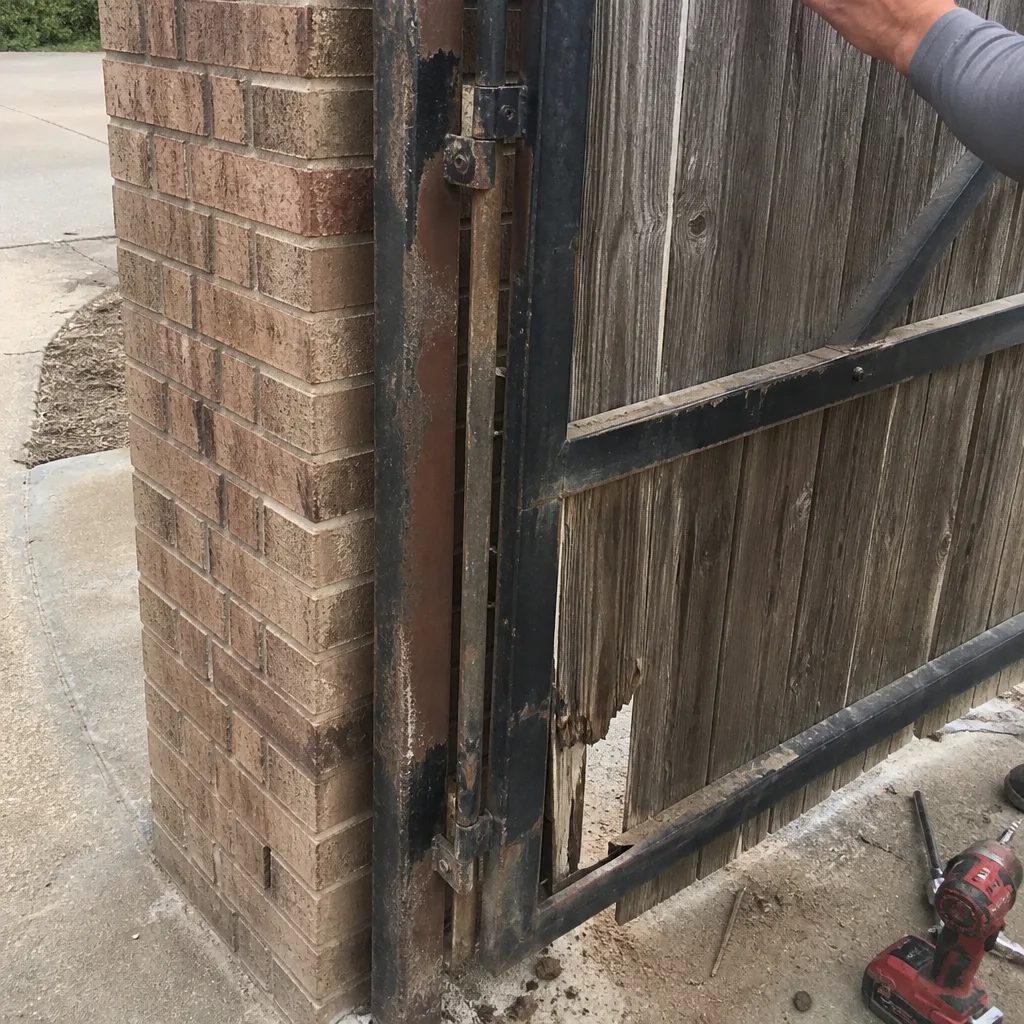 Before
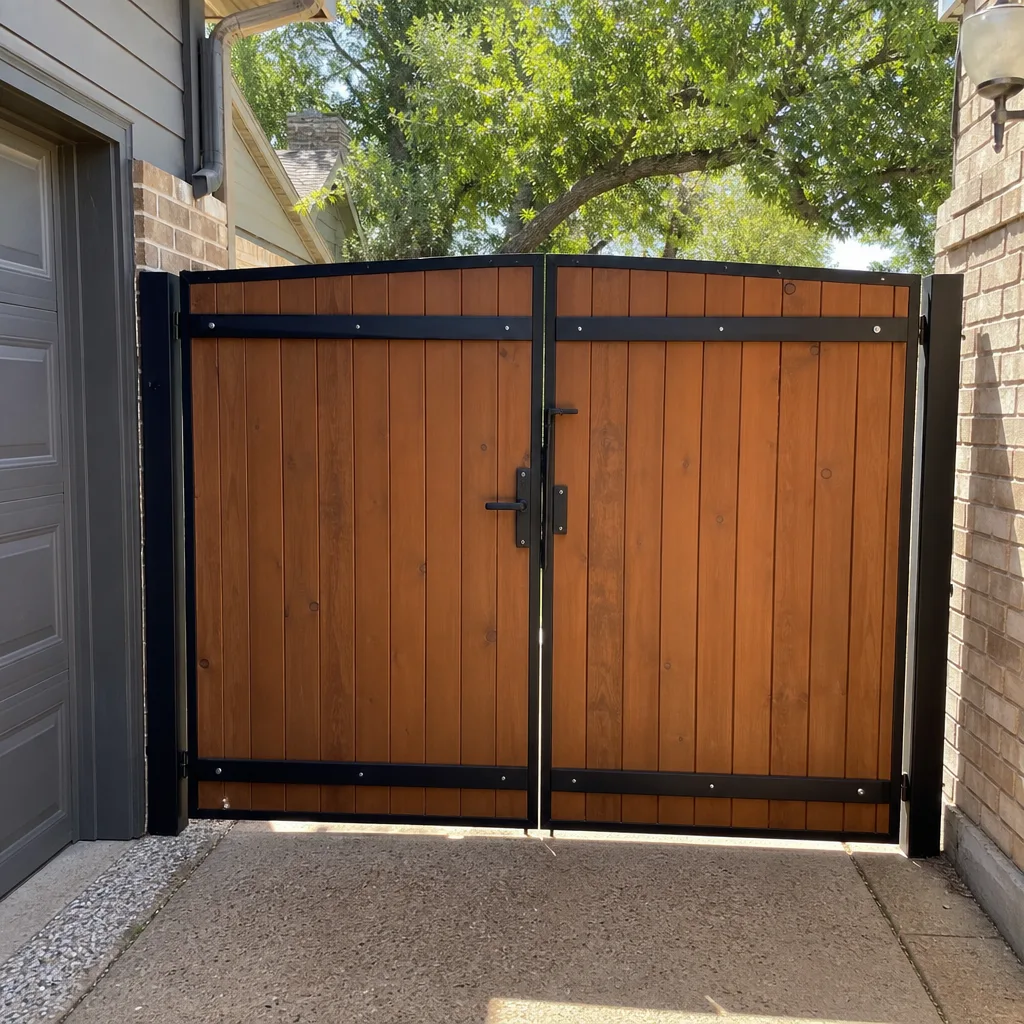 After
After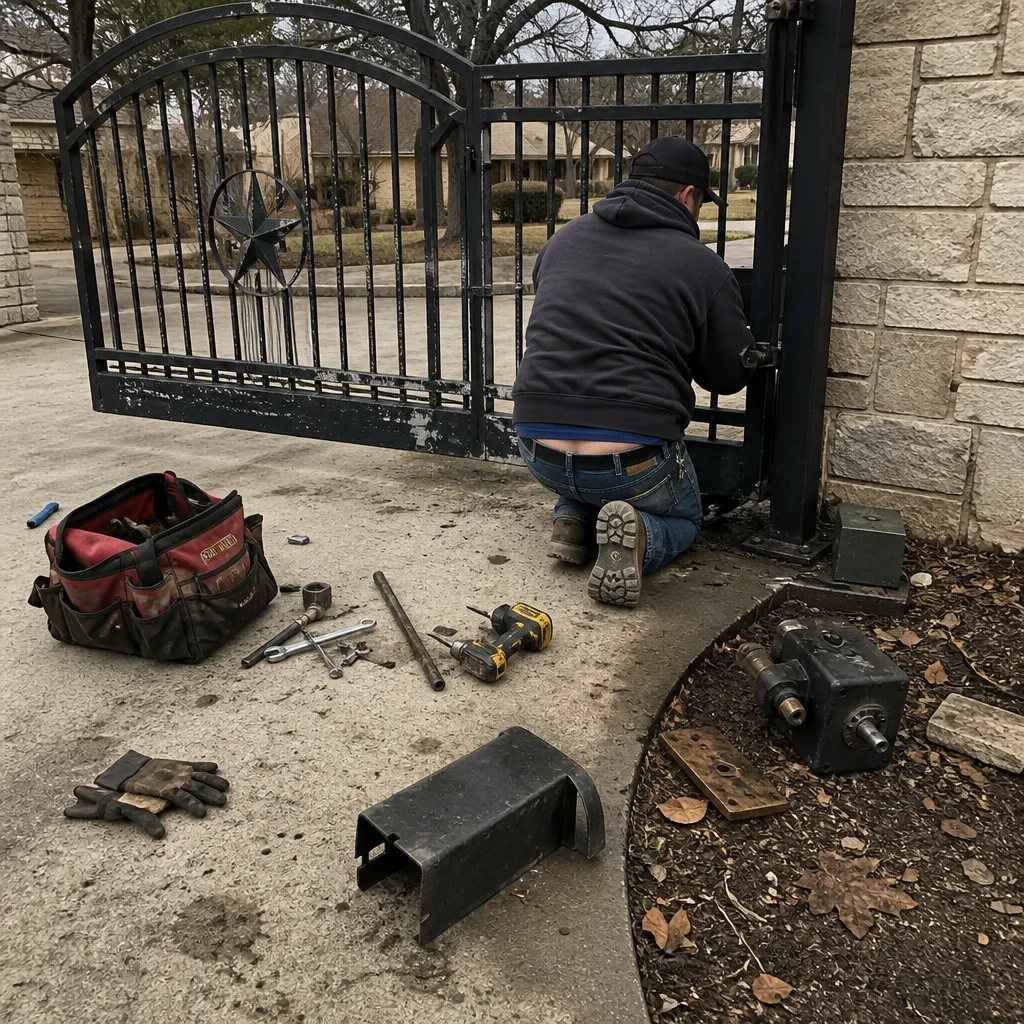 Before
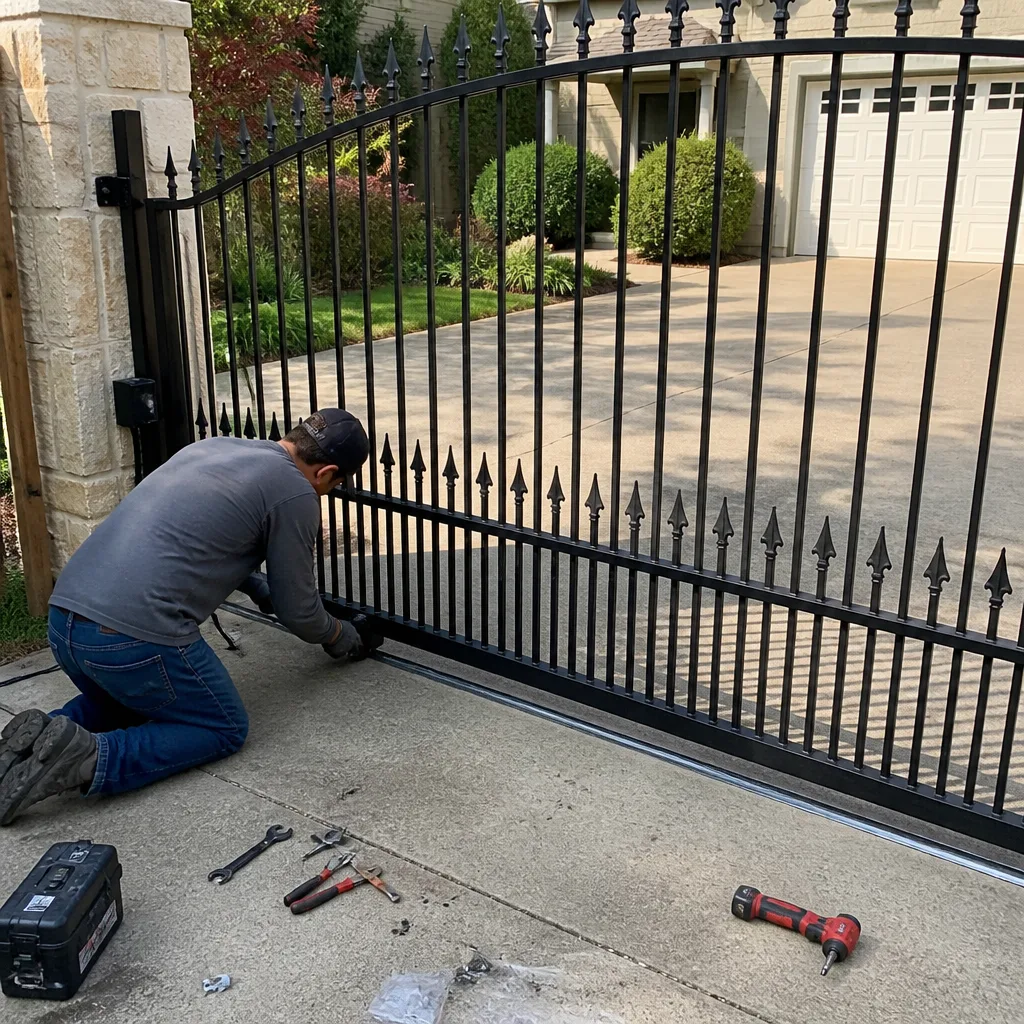 After
After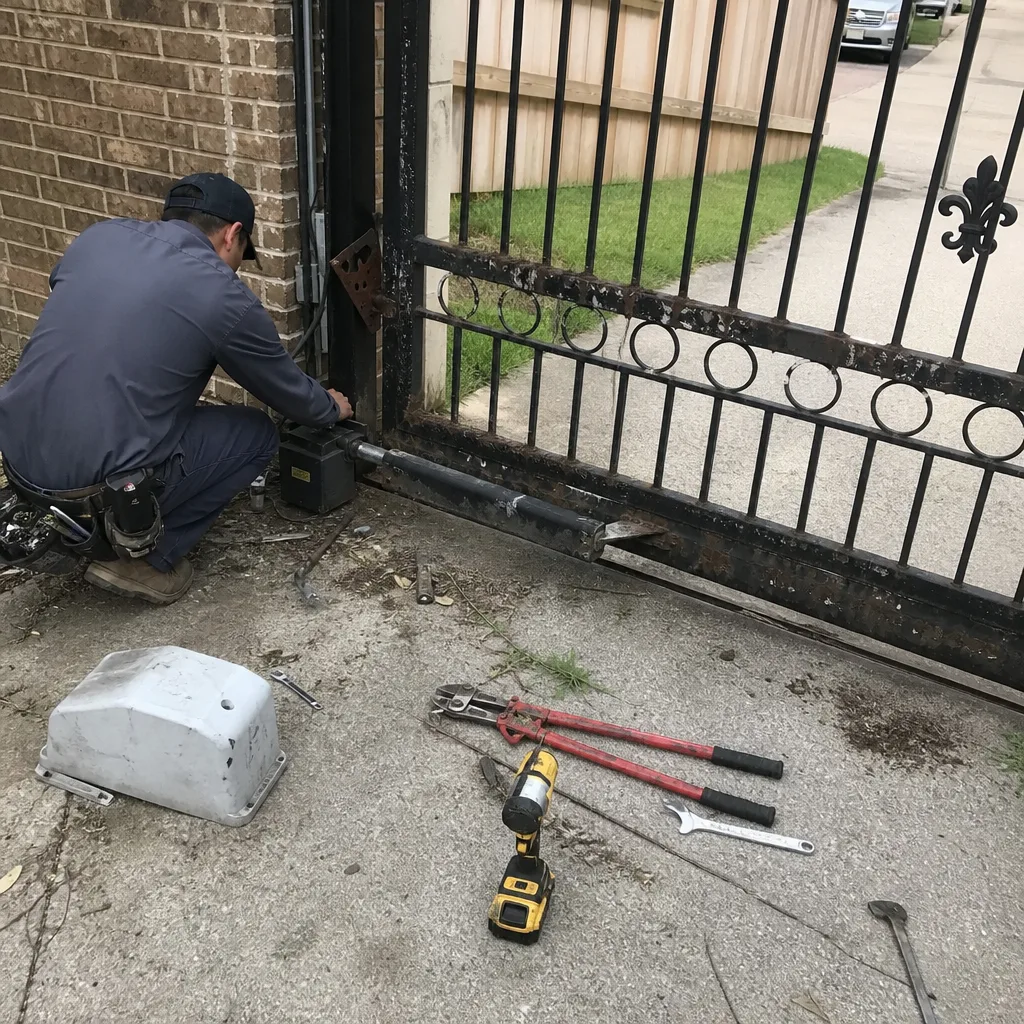 Before
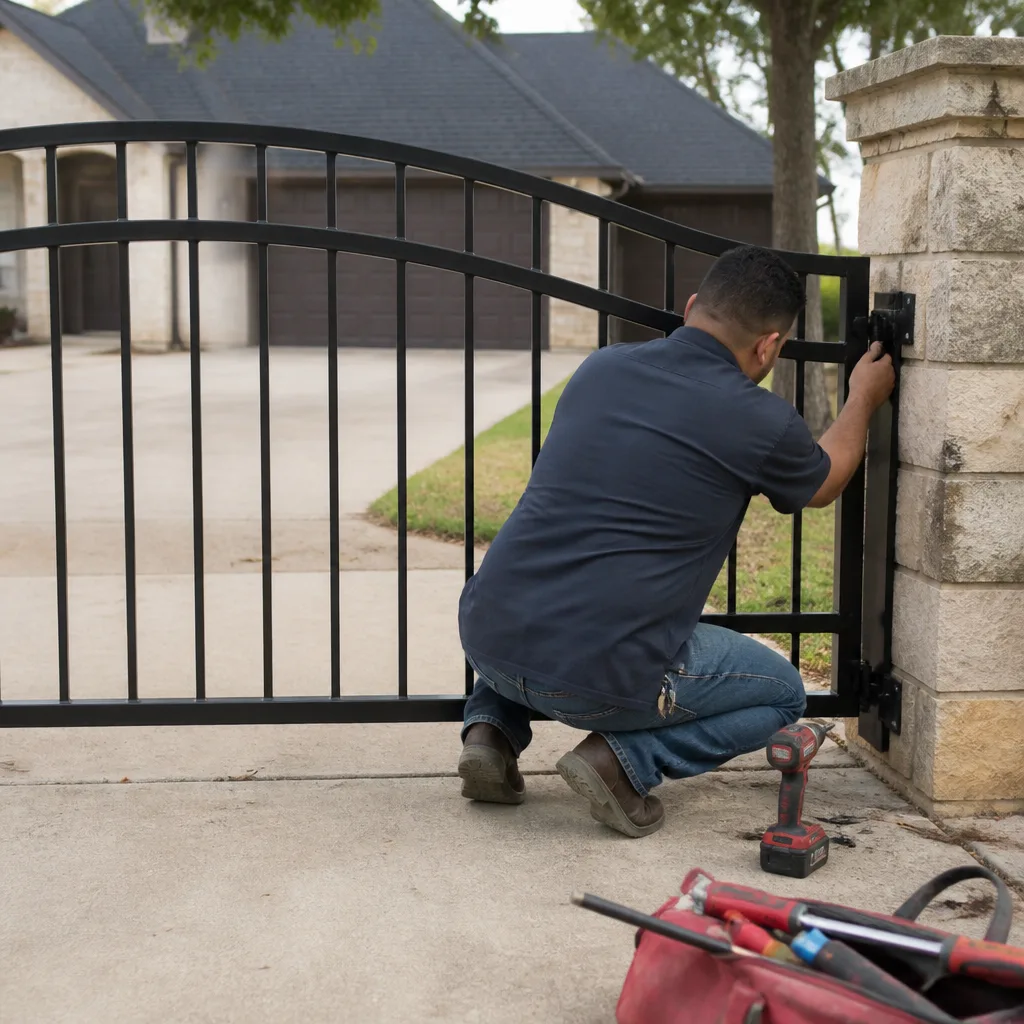 After
AfterWhen to Call a Professional
Call us if the gate post leans, the gate has dropped more than half an inch at the latch side, the frame is cracked at a weld, or the operator behaves unpredictably. Also call if you have looked at the repair and realized you don’t have the tools or the time. There’s no shame in that. The gate will still be there next weekend, but every week a broken gate spends misaligned is a week of added wear on the hinges, the latch, and the post. A professional repair stops the wear. A delayed DIY attempt usually extends it. Latch and Post Gate Repair Fort Worth offers free written estimates throughout the Fort Worth area. Call (682) 841-5749 and a live person answers, any hour, any day.
Frequently Asked Questions
A leaning gate is almost always a post problem in Fort Worth, and a post problem requires resetting the post in concrete below the zone where the clay shifts. That is not a DIY repair with basic tools. Call (682) 841-5749 for a free estimate.
A standard latch replacement in Fort Worth typically runs $90 to $160 in labor plus a $15 to $40 part, and you’ll see the exact number in writing before any work begins. Latch & Post provides a written price on every visit, with no pressure to accept.
An electric gate that stops short or reverses early usually has a limit-setting, force-adjustment, or safety-edge fault, not a dead motor. These require manufacturer-specific calibration. We work on BFT, Linear, Viking, Ghost Controls, and other major brands and log every calibration by serial number.
The most common problem we see is a gate that drags or won’t latch because the post has moved in the clay soil. Fort Worth’s wet-dry cycle loosens posts over time, and the fix is a proper post reset, not new hinges or a new latch.
If the frame is square and the post is sound, a wooden gate is worth repairing. Swapping the latch, hinges, or a rotted board usually costs far less than replacement. If the frame has racked or the post has pulled, replacement may pencil out better. We’ll give you an honest recommendation with the free estimate.
The 365-Day Done Right Promise is our guarantee that if the repair or installation isn’t right, Latch & Post makes it right within the year, with no argument and no fine print. Every repair and installation we do in Fort Worth is covered by it.
The Bottom Line
The DIY versus professional question settles on one fact: some gate repairs are mechanical, and some are structural or electronic. Mechanical repairs, a latch bolt here, a hinge bolt there, are learnable and safe for a careful homeowner with the right tools. Structural and electronic repairs involve the moving soil under Fort Worth, the welds inside a steel frame, or the calibration software inside an operator’s control board. Those are the repairs where the attempt looks like a fix for two weeks and then fails quietly. In our experience across fifteen years of gate service in Fort Worth, the most expensive repair is the one that was already attempted once. If you’re unsure which repair you’re looking at, explore more guides & resources or call (682) 841-5749. A live person answers, you’ll get a straight answer, and the written estimate is free.
Written by Cody Beckman, Owner at Latch and Post Gate Repair Fort Worth, serving Fort Worth since 2009.