
Last updated October 17, 2026
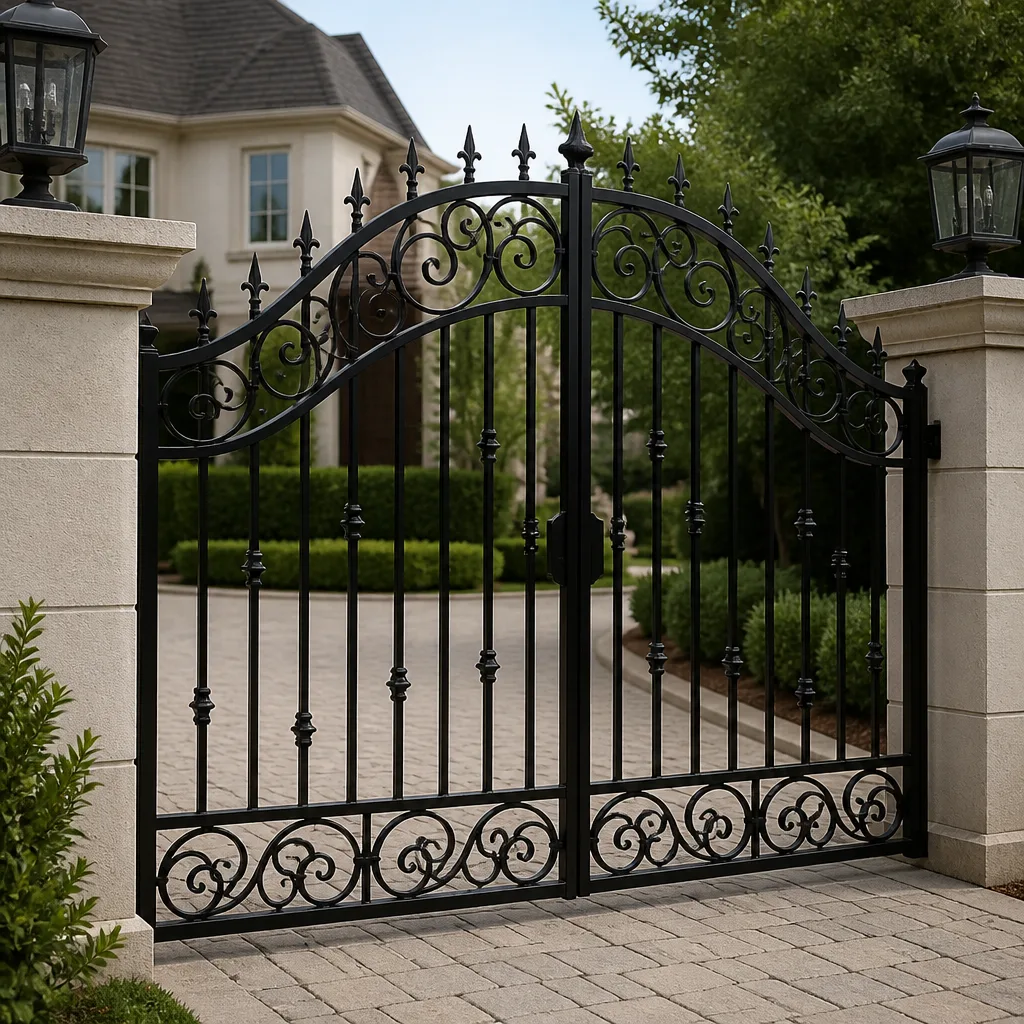 Wrought iron
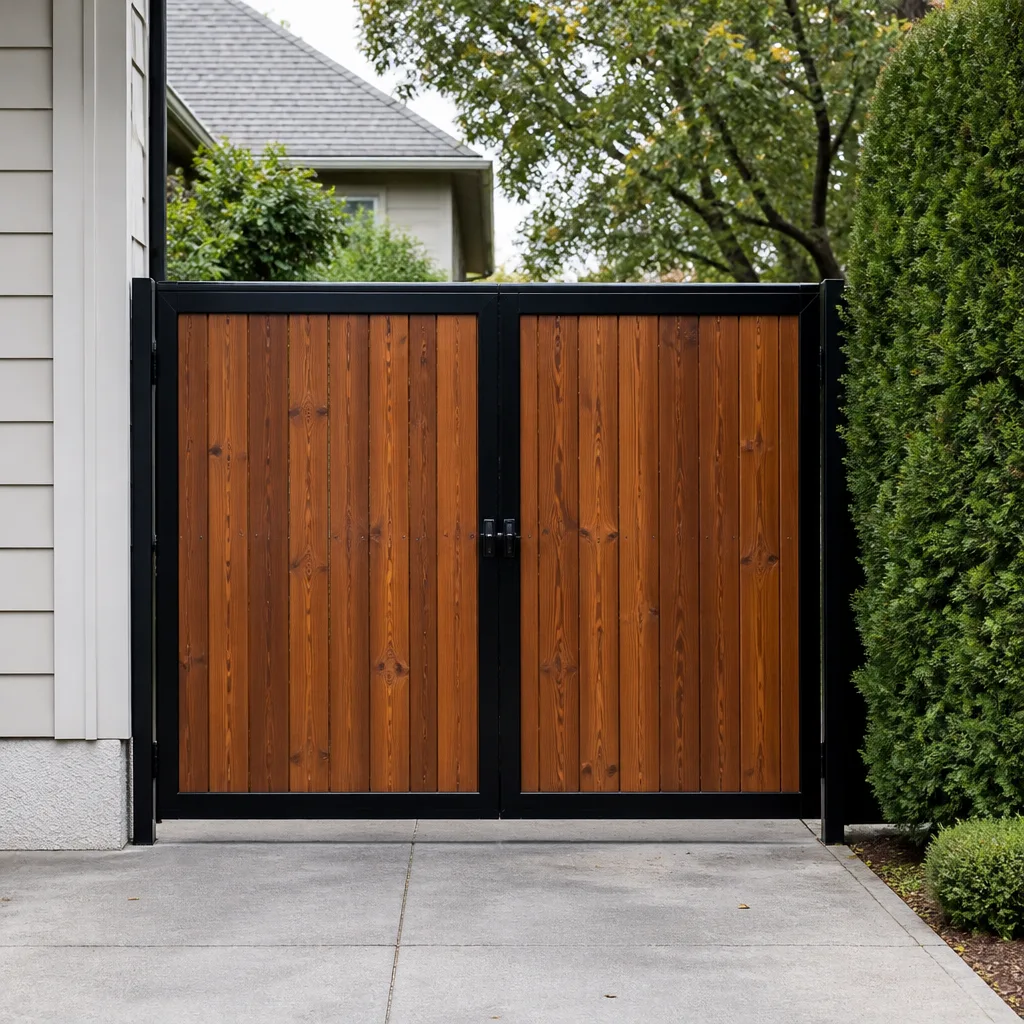 Wood & steel frame
 Farm & ranch
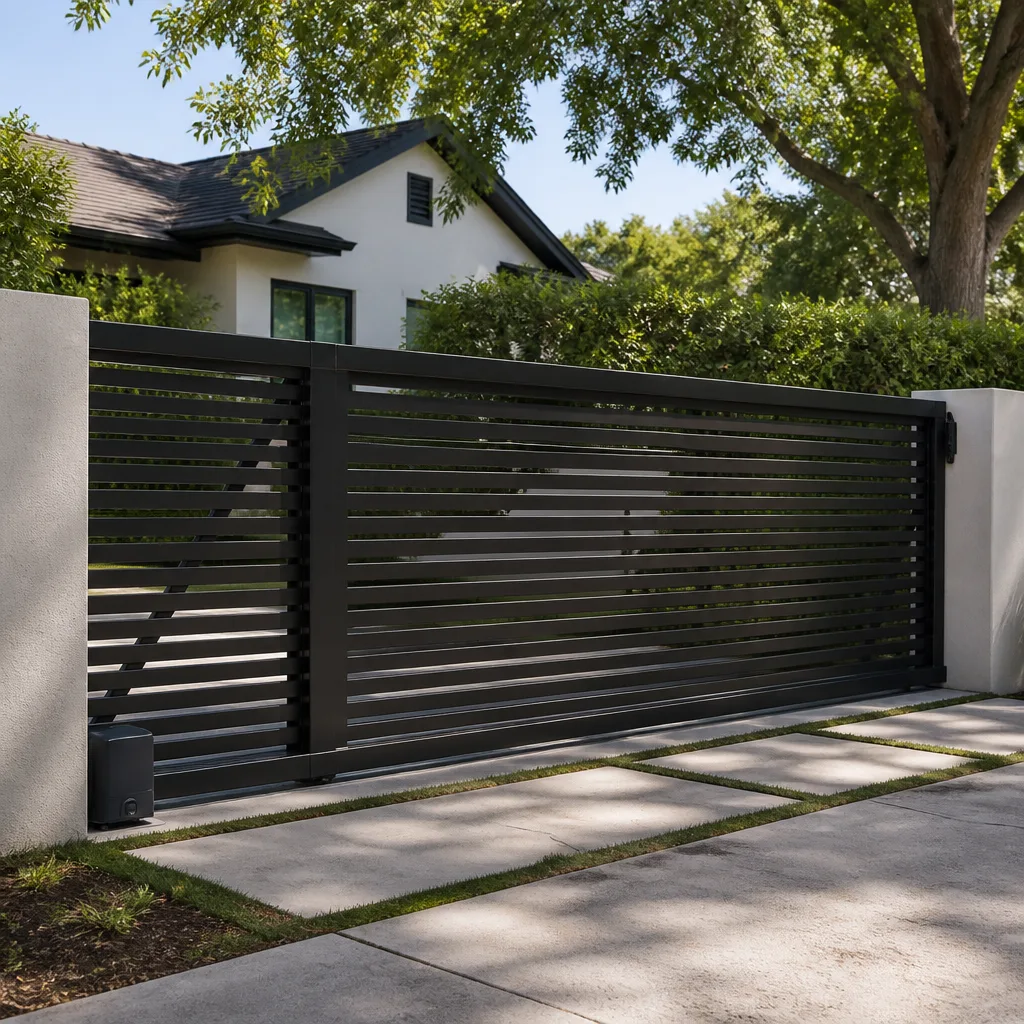 Sliding driveway gates
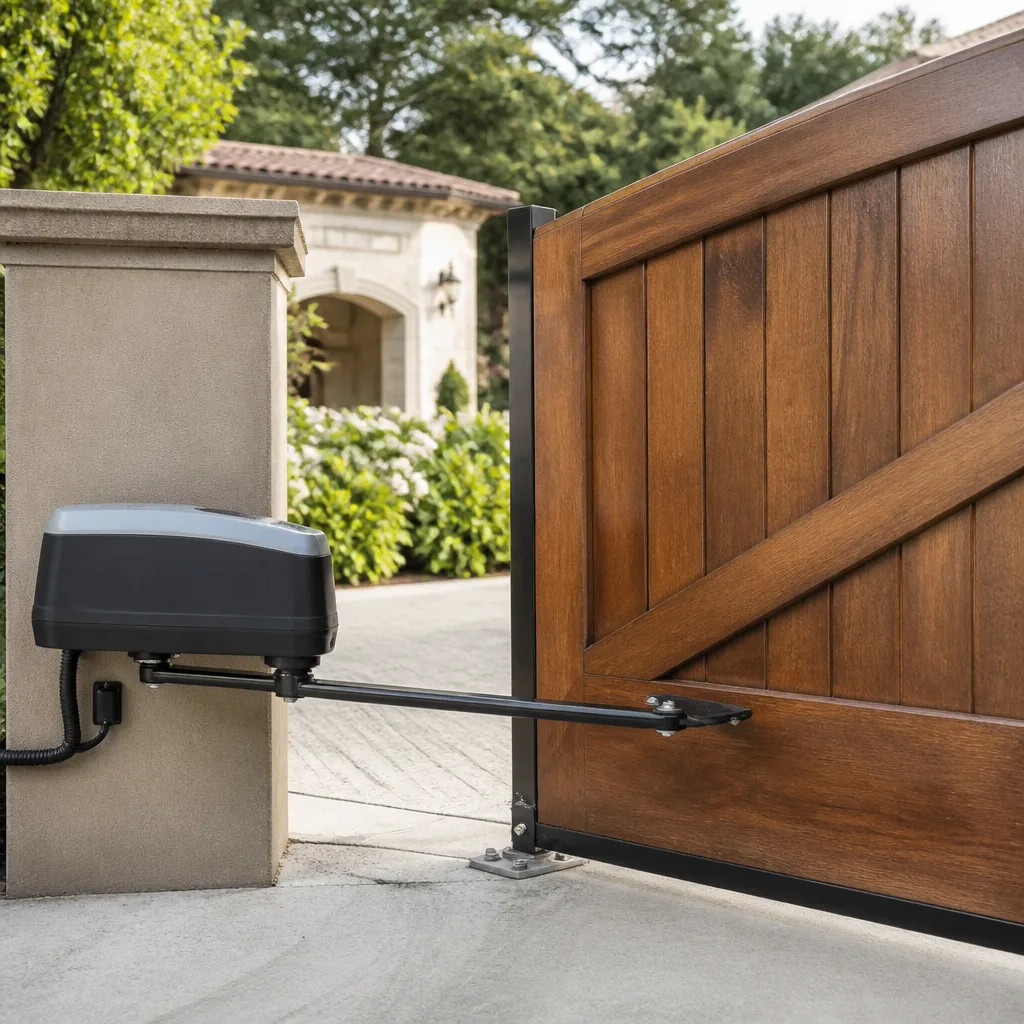 LiftMaster operators
Free on-site gate assessment - hinges, posts, and your LiftMaster or Nice gate operator checked before anything is quoted
The assessment is free and the quote is the invoice.
Get your free estimateGate Repair Permits, Codes & Inspections in TX: What You Need to Know
Most Fort Worth homeowners assume any gate work requires a trip to City Hall. The truth is closer to the opposite: the majority of gate repairs and like-for-like replacements in Fort Worth need no permit at all. What does trigger one, and what catches people off guard, is the electrical side. A homeowner who adds an electric operator to an existing manual gate without pulling an electrical permit can receive a stop-work order and be told to remove the operator entirely, not because the installation was unsafe, but because Fort Worth Development Services requires a permit for any operator wired to 120V or 240V power. This guide lays out exactly where the lines are drawn so you know which projects need paperwork, which need HOA sign-off, and which need nothing more than a good Gate Repair technician.
Styles & brands we work with
Quick Answer
In Fort Worth, Texas, repairing an existing gate or replacing it with one of the same dimensions in the same location typically requires no city permit. Adding an electric gate operator to an existing gate does require an electrical permit, because the City of Fort Worth treats any 120V or 240V operator installation as electrical work subject to inspection. New gate installations that change footprint, height, or location may require a building permit depending on the City of Fort Worth Development Services thresholds.
Table of Contents
- Repair vs. Replacement vs. New Installation: How Fort Worth Defines Each
- When an Electric Gate Operator Requires an Electrical Permit
- HOA Approval: The Parallel Permit Fort Worth Homeowners Forget
- What a Gate Operator Inspection Actually Involves
- Texas Statewide Code vs. Fort Worth Municipal Amendments
- How a Gate Company Should Handle Permit Coordination
- Current Permit Fees and Inspection Timelines in Fort Worth
- Common Mistakes to Avoid
- When to Call a Professional
- Frequently Asked Questions
- The Bottom Line
Repair vs. Replacement vs. New Installation: How Fort Worth Defines Each
Fort Worth Development Services draws a practical line between three types of gate work, and knowing which category your project falls into determines whether you’ll speak to the city at all.
Repair means fixing what exists. Replacing a bent hinge, a failing latch, a sagging post, or a cracked weld on an existing gate falls here. The gate stays in place. The dimensions don’t change. The height doesn’t change. No permit is required for this category, and in our experience, the vast majority of calls we take across Fort Worth fall into it.
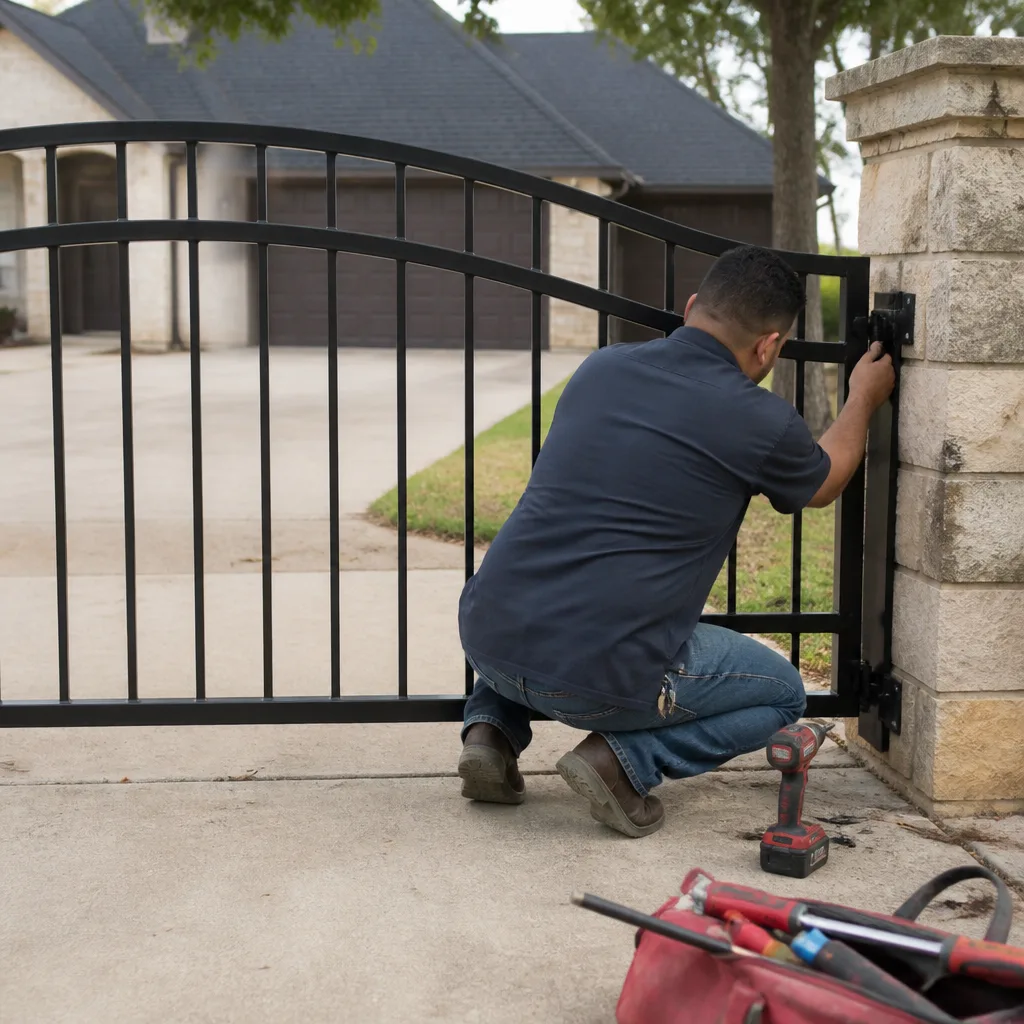
Replacement means removing an existing gate and installing a new one in the same location with the same dimensions and same height. If the footprint is identical and nothing structural changes, Fort Worth does not require a building permit. This surprises many homeowners who assumed a new gate meant new paperwork. The city’s logic is straightforward: the post locations, setbacks, and structural conditions were already approved when the original gate went in.
New installation is where things change. If you’re adding a gate where no gate existed, moving the gate location, widening the driveway opening, or changing the gate height, you may need a building permit. Fort Worth’s Development Services reviews these projects for setback compliance, height restrictions, and structural footing requirements. The threshold question they ask is whether the work changes the property’s approved condition. If the answer is yes, a permit is likely.
One clarification worth making: Gate Repair in Fort Worth as a service category almost always falls under the repair definition. What homeowners sometimes call “gate repair” is actually an operator upgrade, which crosses into electrical territory and changes the calculation entirely.
When an Electric Gate Operator Requires an Electrical Permit
Here is the single fact that causes the most confusion in Fort Worth: the City of Fort Worth requires an electrical permit for any gate operator installation wired to 120V or 240V power. The gate itself may need no permit. The operator does.
This applies whether you’re adding an operator to an existing manual gate or replacing an older operator with a newer one. The city treats the electrical work as the regulated component, because a gate operator draws continuous power, often sits outdoors, and connects to a home’s electrical panel. A poorly executed operator installation poses risks that a purely mechanical gate repair does not: improper grounding, water intrusion into the junction box, overloaded circuits, and non-compliant conduit runs. For a deeper look at what to watch for, see our Gate Repair Warning Signs: A Fort Worth Homeowner’s Reference Guide.
Low-voltage systems change the picture. Some operators, particularly battery-backed solar units from brands like Ghost Controls, operate on 12V DC and fall outside the city’s electrical permit threshold. If no line-voltage wiring touches the gate, no electrical permit is triggered. The distinction matters because the price difference between pulling a permit and skipping one legitimately is hundreds of dollars, and we’d rather see a Fort Worth homeowner spend that money on a better operator than on unnecessary paperwork.
But the line is binary: line voltage needs a permit. Battery or solar-only does not. If your operator plugs into a standard outlet or has a conduit run back to the breaker panel, plan on an electrical permit.
HOA Approval: The Parallel Permit Fort Worth Homeowners Forget
City permits and HOA approvals are two separate systems, and one does not substitute for the other. A Fort Worth homeowner can be fully compliant with the city and still violate their deed restrictions. We’ve seen this play out across Tarrant County more times than we can count.
The neighborhoods with the most active architectural review boards in Fort Worth include Ridglea, Summerfields, and Chapel Hill. In these communities, gate changes often require submitting a modification request before any work begins, even when the City of Fort Worth needs nothing. The review board typically wants to see the proposed gate material, color, height, and whether an operator will be added. Review windows run anywhere from two weeks to sixty days depending on the association.
What typically triggers HOA review:
- Any change to the gate’s appearance: material, color, style, or ornamental features
- Any change to gate height, even by a few inches
- Adding an electric operator, especially if it includes a keypad post or call box mounted near the street
- Moving the gate’s location or widening the driveway opening
- Installing a gate where the property previously had none
The city and the HOA care about different things. The city cares about electrical safety and structural compliance. The HOA cares about aesthetic consistency and property values. Fort Worth homeowners who check both boxes before work begins rarely have problems. Those who check neither are the ones we hear about at dinner parties, explaining a letter from a law firm.
For what it’s worth, Gate Installation in Fort Worth routinely involves HOA coordination on our end. We’ve helped homeowners in Ridglea and Chapel Hill prepare the documentation their boards request, including spec sheets and product photos, so the application sails through without a second round of questions.
What a Gate Operator Inspection Actually Involves
If your operator installation requires an electrical permit, the City of Fort Worth will schedule a rough-in inspection and, depending on the project scope, a final inspection. The process is not as intimidating as it sounds, but knowing what the inspector checks removes the guesswork.
Here is the sequence, step by step:
- Permit application: The person pulling the permit (homeowner or contractor) files an electrical permit application with Fort Worth Development Services, describing the operator installation and the circuit it will connect to.
- Rough-in inspection: Once the wiring is run but before walls or conduit are closed up, an inspector verifies the wire gauge, grounding, conduit type, and junction box placement meet the current National Electrical Code as adopted by Fort Worth.
- Final inspection: After the operator is mounted, wired, and operational, the inspector confirms the installation matches the approved permit, the disconnect is accessible, and all weatherproofing is in place.
- Permit closeout: The inspector signs off, the permit is closed, and the work is officially compliant. Keep the closed permit document; some HOAs in Fort Worth request it during resale.
Who can pull the permit? In Fort Worth, a homeowner can pull an electrical permit for work on their own residence, but the city still requires the work to meet code, and the homeowner assumes liability for compliance. Most homeowners prefer the contractor to pull the permit, which means the contractor’s license is on record with the work. That’s the route we take for every operator installation we do in Fort Worth, because it puts the paperwork and the responsibility in the same set of hands.
Texas Statewide Code vs. Fort Worth Municipal Amendments
Texas does not have a single statewide building code that governs residential construction. Instead, the state allows each municipality to adopt and amend model codes as it sees fit. Fort Worth has adopted the International Residential Code (IRC) with local amendments, and those amendments are where the details live.
For residential gates specifically, the relevant code sections address structural integrity, height, and any electrical components. The IRC sets baseline requirements. Fort Worth’s amendments add local provisions, such as stricter requirements for gate posts in expansive clay soil, which is the soil type most of Tarrant County sits on.
That clay soil point is worth a paragraph. Fort Worth’s soil moves. In summer, the clay shrinks and pulls away from post footings. In wet months, it swells and presses against them. A gate post set at the minimum depth required in a coastal Texas city will shift in Fort Worth. Anyone who has watched a gate start dragging the latch side after two seasons has seen this. The practical takeaway: when you replace a gate in Fort Worth, even if no permit is required, the post footings should be deeper than minimum code. Our Latch and Post Gate Repair Fort Worth home page includes notes on how we approach Fort Worth soil conditions, because a gate that works perfectly on install day and sags by October isn’t a repair; it’s a redo waiting to happen.
For gate height, the IRC and Fort Worth amendments generally defer to local zoning regulations and HOA covenants. Most residential zones in Fort Worth allow front-yard gates up to six feet, with taller heights requiring either a variance or HOA approval. The important distinction for a homeowner: the Texas statewide code gives the baseline, but Fort Worth municipal amendments and your neighborhood’s HOA covenants, not the state code, are what actually govern your specific street.
One practical note for electric operators: Fort Worth follows the National Electrical Code for line-voltage gate operator installations, including the requirement for an accessible disconnect within sight of the operator. If you’re installing a FAAC or BFT operator on 120V power, that disconnect is not optional. Inspectors in Fort Worth check for it on every final. We pre-wire it into every operator installation we do, so the inspection passes on the first visit.
How a Gate Company Should Handle Permit Coordination
Here is where the gap between a good gate company and a mediocre one shows. A good company handles permit coordination as part of the job. A mediocre one tells the homeowner to “check with the city” and then disappears into the install, leaving the homeowner holding the liability if an inspector shows up.
The way we handle it at Latch and Post Gate Repair Fort Worth is simple: the permit is our responsibility when the work requires one. If your project needs an electrical permit, we pull it under our name, schedule the inspections, and coordinate access with the inspector. You don’t chase paperwork. You don’t call the city. You don’t wonder whether the work is compliant. It’s done before the trench is closed.
What that looks like in practice:
- We assess the project and determine permit requirements before any price is given
- The written price includes the permit fee, so there’s no surprise line item later
- We file the permit application online with Fort Worth Development Services
- We schedule rough and final inspections around your availability
- We provide you a copy of the closed permit for your records
This is not an add-on service. It’s the default way we work, and it’s governed by the Cedarwell C.A.R.E. values we operate under: clean up like it is our own home, ask before we move or touch anything, respect the family’s time and quiet hours, and explain the price before the work starts. Permit coordination falls under that last one, because a price without the permit cost included is not a real price.
The brands we’re factory-trained on, including Linear and Viking operators, come with manufacturer specifications that the city inspector wants to see. Having that documentation ready at the rough inspection speeds the process and avoids a failed check.
Current Permit Fees and Inspection Timelines in Fort Worth
Let’s talk numbers, because knowing the actual cost removes the anxiety.
As of the current Fort Worth fee schedule, a residential electrical permit for a gate operator typically runs between $75 and $150 depending on the scope of the circuit work. If the project requires a building permit for a new gate with footings and posts, that fee is separate and typically ranges from $100 to $250 for a single-family residential gate. Combined, a new gate with an electric operator in Fort Worth usually carries $200 to $400 in permit fees before the cost of the gate itself.
Here is the breakdown in a clean table:
| Project Type | Permit Required | Approximate Permit Fee | Typical Timeline |
|---|---|---|---|
| Gate repair (hinges, latch, post) | No | $0 | Same day |
| Like-for-like gate replacement | No | $0 | 1-2 days |
| Electric operator on existing gate (120V/240V) | Electrical permit | $75-$150 | 3-7 business days including inspection |
| New gate installation (new footprint) | Building permit | $100-$250 | 1-3 weeks depending on review |
| New gate + electric operator | Building + electrical | $200-$400 combined | 2-4 weeks including inspections |
Inspection scheduling in Fort Worth moves fairly quickly. Electrical rough-in inspections are typically scheduled within 48 to 72 hours of the request. Final inspections follow a similar window. The longest variable is the city’s plan review for a new gate installation, which can stretch to two or three weeks during busy construction months.
These are approximate figures based on current Fort Worth Development Services fee schedules. Your specific project may vary. What doesn’t vary is the principle: every permit fee is shown in our written price before any work begins. No line item appears after the fact. That’s the 365-Day Done Right Promise extended backward to the beginning of the job: if it wasn’t in the written price, you don’t pay it.
Common Mistakes to Avoid
- Assuming all gate work needs a permit. Most repairs and like-for-like replacements in Fort Worth need nothing from the city. Paying for a permit you don’t need is wasted money. Ask the gate company directly: does this project trigger a permit in Fort Worth? A straight answer should come back in one sentence.
- Assuming no gate work needs a permit. The flip side. Adding a 120V or 240V operator without an electrical permit puts the whole project at risk of a stop-work order. The city’s position is clear: line voltage means a permit, regardless of how simple the install looks.
- Skipping the HOA because the city doesn’t care. The city and the HOA are different systems with different priorities. In Ridglea, Summerfields, and Chapel Hill, the architectural review board will notice a new gate faster than the city will. It’s far easier to get HOA approval before work than to respond to a violation letter after.
- Setting gate posts at minimum depth in Fort Worth clay. Minimum code depth is not enough for Tarrant County’s expansive soil. Posts set shallow will shift within two seasons. A deeper footing costs little on install day and saves a full post reset later.
- Letting the homeowner pull the electrical permit without understanding liability. Homeowners can pull their own electrical permits in Fort Worth, but the legal responsibility for code compliance lands on them. If the work fails inspection, the homeowner pays to correct it. Letting the contractor pull the permit puts the accountability where the work is.
- Not asking whether the permit fee is included in the written price. Some companies quote a low price and add the permit as a surprise line item. A straightforward written price includes every fee up front. If the quote doesn’t mention permits, ask.
- Buying an operator online and hiring someone to “just wire it.” The wiring is the regulated part. A handyman wiring a Viking or Linear operator without a permit creates a liability that the inspector, the HOA, or the next buyer will eventually find. The operator itself may be fine. The install is where the risk lives.
When to Call a Professional
You should call a gate professional any time the work touches line voltage, post footings, or an HOA review. Adding an operator to an existing gate is a permit-bearing electrical job. Resetting a post in Fort Worth clay requires knowing how deep to dig and how to reinforce against soil movement. And if your HOA in Ridglea or Chapel Hill is asking for spec sheets and product documentation, having a company that already has those documents saves weeks. For everything else, like a latch replacement or hinge swap, the work is straightforward enough that a competent homeowner can handle it, but most people find that calling someone who does it daily is faster and carries a warranty. Latch and Post Gate Repair Fort Worth offers free estimates in Fort Worth: call (682) 841-5749, and a live person answers, around the clock, no voicemail queue.
One more scenario worth flagging: if you’re not sure whether your project needs a permit, call us. We’ll tell you straight, because the answer is sometimes no, and we’d rather you keep the money you didn’t need to spend. That’s the same approach we take on every Electric Gate Repair in Fort Worth job: figure out what’s actually needed, then do exactly that, no more.
Frequently Asked Questions
No. Gate repairs that keep the existing gate in place and do not change its size, location, or electrical wiring require no permit from the City of Fort Worth. Hinge replacements, latch repairs, post resets, and weld fixes all fall into this category. If you’re unsure, call (682) 841-5749 and describe the work; we’ll tell you in one sentence whether a permit applies.
In Fort Worth, yes, if the operator runs on 120V or 240V line voltage. The City of Fort Worth requires an electrical permit for any line-voltage gate operator installation, including connecting the operator to your home’s electrical panel or an existing outdoor outlet. Solar or battery-only low-voltage operators generally do not trigger the permit requirement. When we install a FAAC or BFT operator in Fort Worth, the electrical permit is pulled before the trench is dug, and the permit fee appears in the written price.
An electrical permit for a gate operator in Fort Worth typically costs between $75 and $150. A building permit for a new gate installation with new post footings runs $100 to $250. A combined project with both a new gate and an electric operator usually totals $200 to $400 in permit fees. Those figures are based on the current Fort Worth Development Services fee schedule; your exact project may vary. Call (682) 841-5749 for a written price that includes every permit fee before work starts.
Yes, as long as the new gate goes in the same location with the same dimensions and the same height as the old one, and no electrical components are added. Fort Worth does not require a building permit for like-for-like gate replacement. The moment you widen the opening, move the posts, change the height, or add an electric operator, the answer changes and a permit may be required.
A homeowner can pull an electrical permit for work on their own residence, and a licensed contractor can pull one for client projects. The difference is accountability: when the contractor pulls the permit, the contractor’s license is tied to the work, and the contractor carries the compliance burden. At Latch and Post Gate Repair Fort Worth, we pull every required permit under our name and handle the inspections, so the homeowner’s involvement is limited to approving the schedule and getting a copy of the closed permit.
It depends on the neighborhood. HOAs in Ridglea, Summerfields, and Chapel Hill are known for active architectural review boards that want to see any change to gate material, color, height, or the addition of an electric operator. Even if the City of Fort Worth requires no permit, your HOA may still require a modification request before work begins. Check your deed restrictions or call your association management company before scheduling the job; we can help prepare the documentation the board wants, including product specs and photos.
If the City of Fort Worth finds an unpermitted line-voltage gate operator, the typical response is a stop-work order requiring you to stop using the system and either remove the operator or correct the violation by obtaining a permit retroactively and passing an inspection. In some cases, the correction involves opening up finished work so the inspector can verify the wiring. The removal option is not rare. It is far cheaper to pull the permit before the install than to correct it after, and that’s a conversation we have with Fort Worth homeowners every month.
The Bottom Line
The Fort Worth permit picture for gate work is simpler than most people fear but stricter than many assume. For more guides & resources on gates in Fort Worth, visit our blog. Repairs need nothing. Like-for-like replacements need nothing. New installations in new locations need a building permit. And any electric operator on line voltage needs an electrical permit, full stop. Add HOA approval in neighborhoods with active architectural boards, and you have the complete picture. The consistent thread through all of it: do the paperwork before the work, know what the fees are, and make sure the written price includes every one of them. That’s the approach we take on every job at Latch and Post Gate Repair Fort Worth, and it’s the reason you’ll never hear a surprise number from us after the work is done.
Written by Cody Beckman, Owner at Latch and Post Gate Repair Fort Worth, serving Fort Worth since 2009.
See the difference
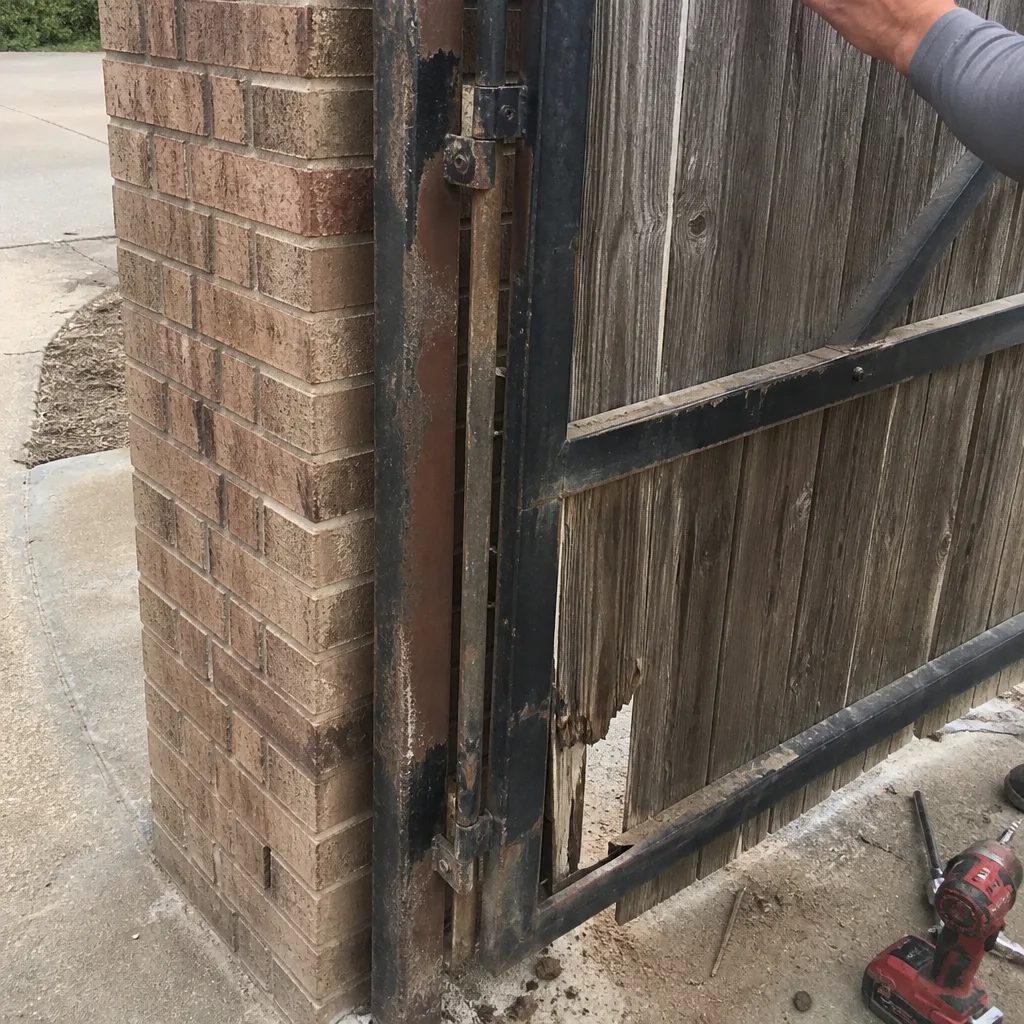 Before
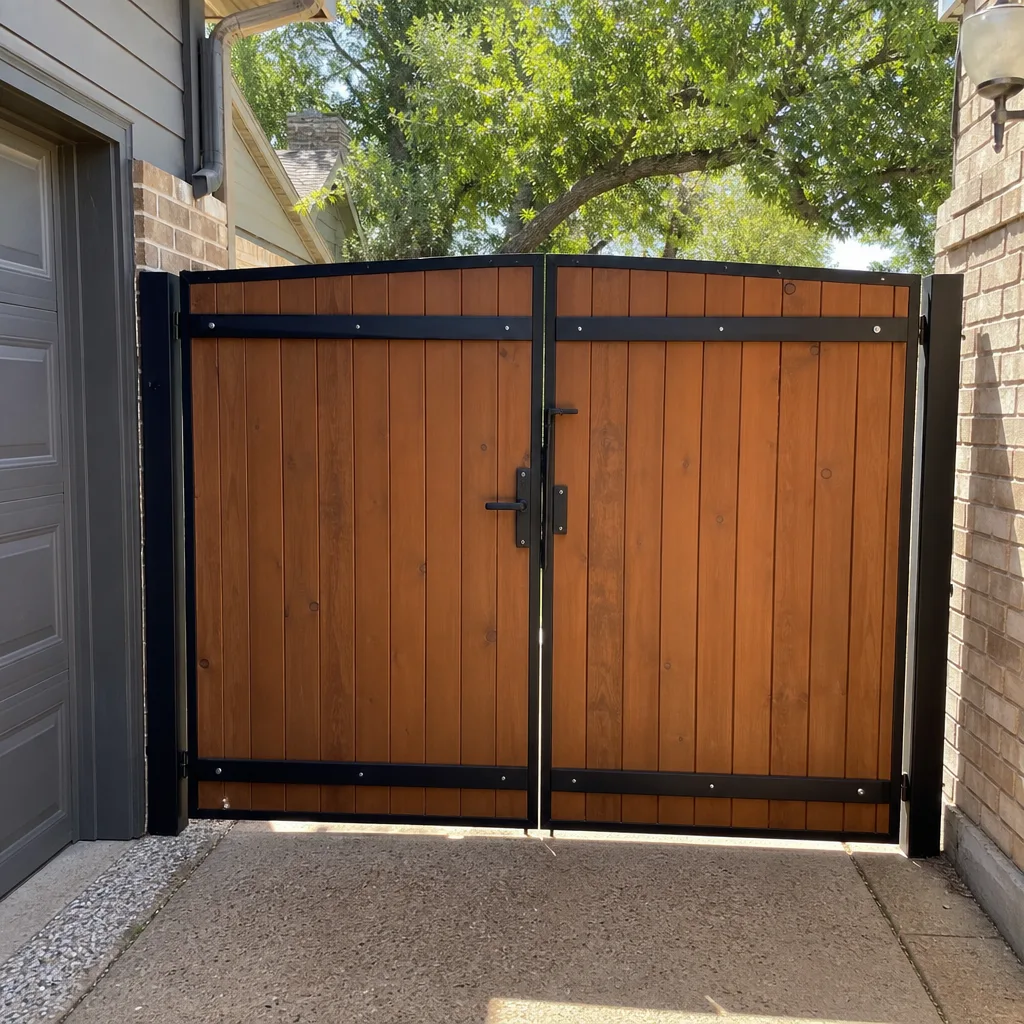 After
After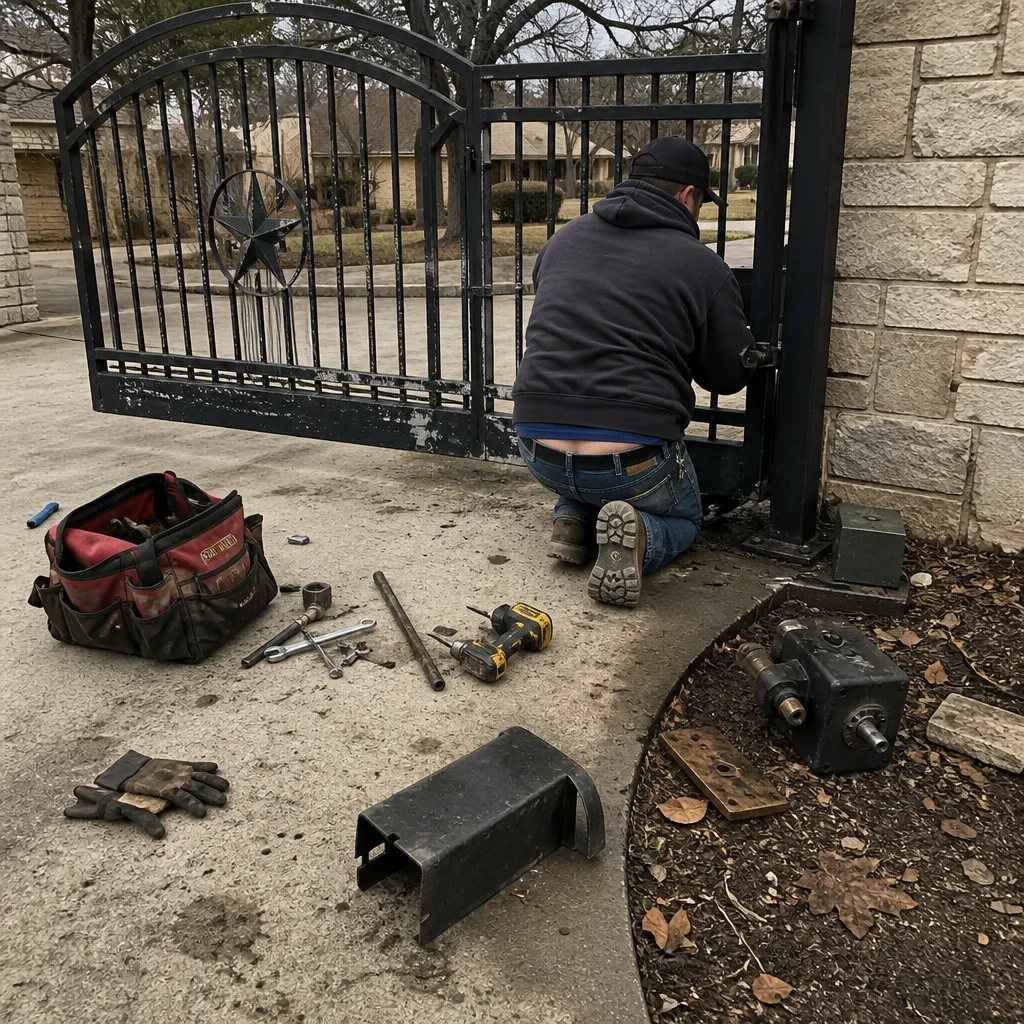 Before
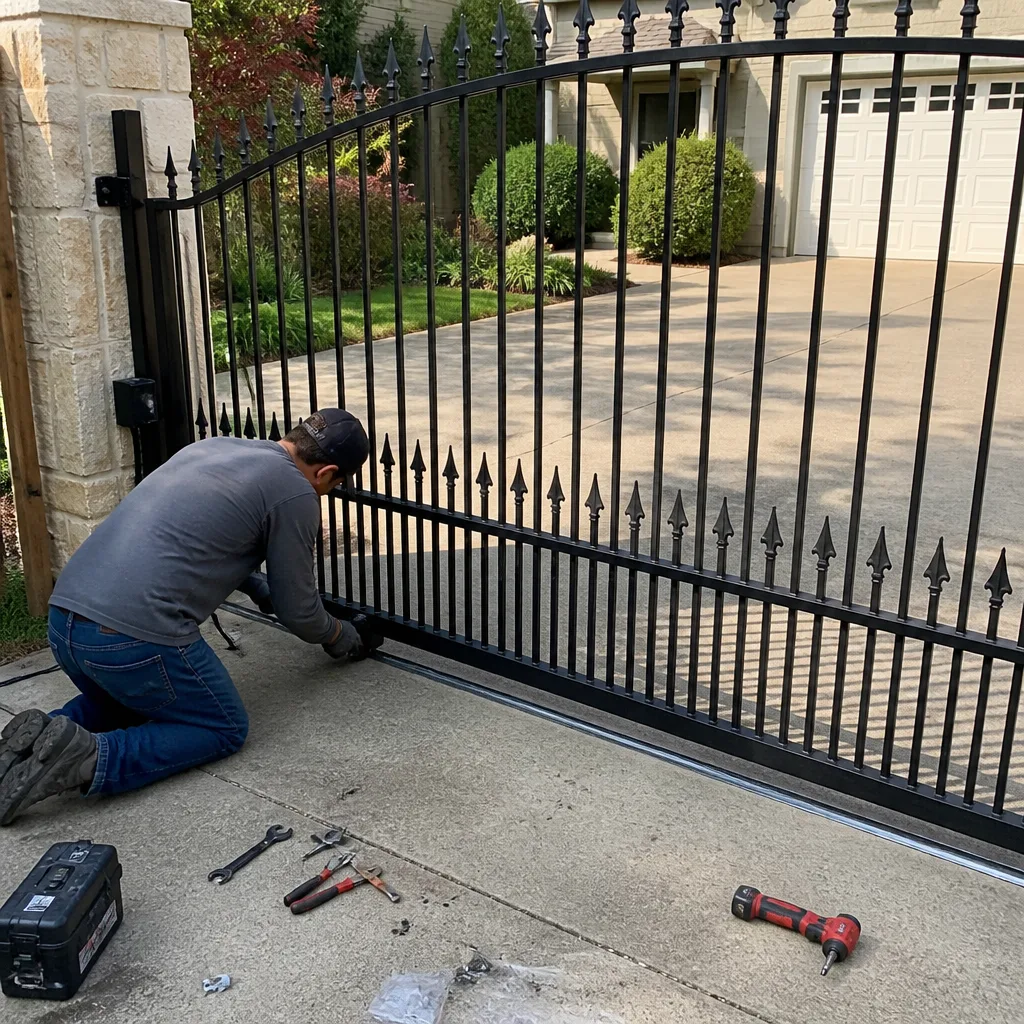 After
After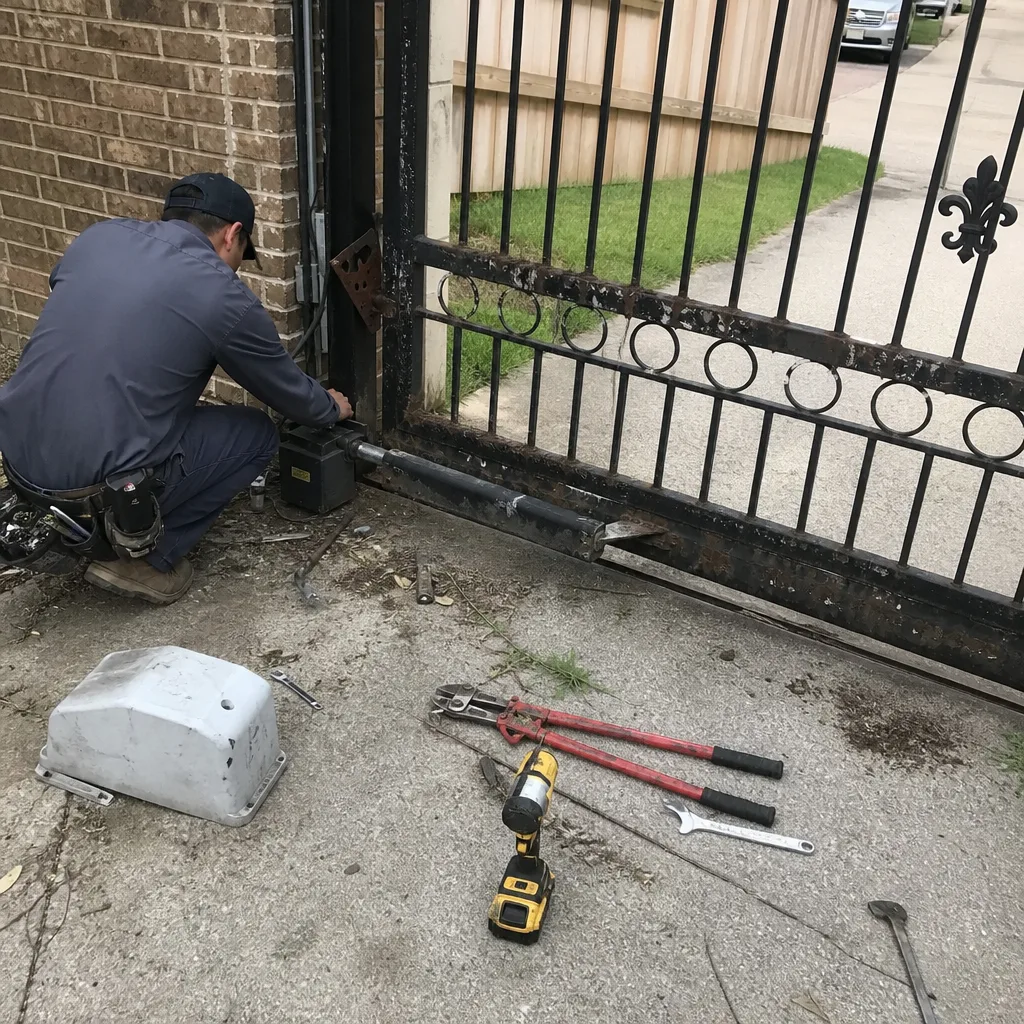 Before
 After
After